National Taiwan Normal University Enforcement Guidelines for Gender Equity Education
108年1月8日107學年度第1學期第2次性別平等教育委員會議通過
114年6月25日113學年度第18次學術及行政主管會議修正通過
I. National Taiwan Normal University (hereinafter referred to as “the University”) has established the Enforcement Guidelines for Gender Equity Education (hereinafter referred to as “the Guidelines”) in accordance with Article 12 of the Gender Equity Education Act to promote gender equity education, facilitate substantial gender equality, eliminate gender discrimination, maintain human dignity, store gender equity educational resources, and build gender equity educational environments.
II. Faculty members, staff and students of the University shall respect and be considerate of the gender, gender traits, gender identity, and sexual orientation of others when engaging in learning, participating in activities, carrying out duties, and interacting with one another.
III. The University shall provide a gender equity learning environment, plan and establish gender friendly and safe zones on campus, and regularly examine and maintain the planning of the overall campus space as well as the use of facilities.
IV. Students must not be discriminated against based on their gender, gender traits, gender identity, or sexual orientation in student recruitment and enrollment at the University unless permitted by the competent authorities.
V. The University must not give unequal treatment to faculty, staff, and students in teaching, activities, evaluations, admission selections, promotions, reviews, rewards and punishments, benefits, and services based on their gender, gender traits, gender identity, or sexual orientation.
VI. The University shall actively provide assistance to faculty, staff, and students who are disadvantaged as a result of their gender, gender traits, gender identity, or sexual orientation, in order to improve their situation.
VII. The University shall actively protect the working rights of pregnant faculty and staff as well as the education rights of pregnant students, and provide necessary assistance.
VIII. Faculty members of the University shall be equipped with gender equity awareness by eliminating gender stereotyping, and avoiding gender prejudices and gender discrimination when engaged in educational work. The same applies to students of the University when engaged in extracurricular activities.
IX. The University shall encourage faculty members to offer gender related research courses, and provide assistance, evaluation, and rewards to the research and development of gender related topics.
X. Gender equity education shall be included in the pre-service education for faculty and staff of the University, training for new recruits of the University, on-the-job training for personnel of the University, training courses for administrative supervisors of the University, and student orientations.
XI. For the prevention and handling of gender-related incidents on campus, the National Taiwan Normal University Regulations for Gender-Related Incidents on Campus was established to implement advocacy for prevention education.
XII. The University shall refer to the gender equity education implementation plans drafted by the Gender Equity Education Committee each year and create budgets accordingly.
XIII. Matters not stipulated in the Guidelines shall be handled in accordance with the Gender Equity Education Act and other regulations of the University deemed relevant.
XIV. The Guidelines and any amendment thereto shall be approved by the Academic and Administrative Directors Council prior to its implementation.
National Taiwan Normal University Enforcement Guidelines for Gender Equity Education
108年1月8日107學年度第1學期第2次性別平等教育委員會議通過
114年6月25日113學年度第18次學術及行政主管會議修正通過
I. National Taiwan Normal University (hereinafter referred to as “the University”) has established the Enforcement Guidelines for Gender Equity Education (hereinafter referred to as “the Guidelines”) in accordance with Article 12 of the Gender Equity Education Act to promote gender equity education, facilitate substantial gender equality, eliminate gender discrimination, maintain human dignity, store gender equity educational resources, and build gender equity educational environments.
II. Faculty members, staff and students of the University shall respect and be considerate of the gender, gender traits, gender identity, and sexual orientation of others when engaging in learning, participating in activities, carrying out duties, and interacting with one another.
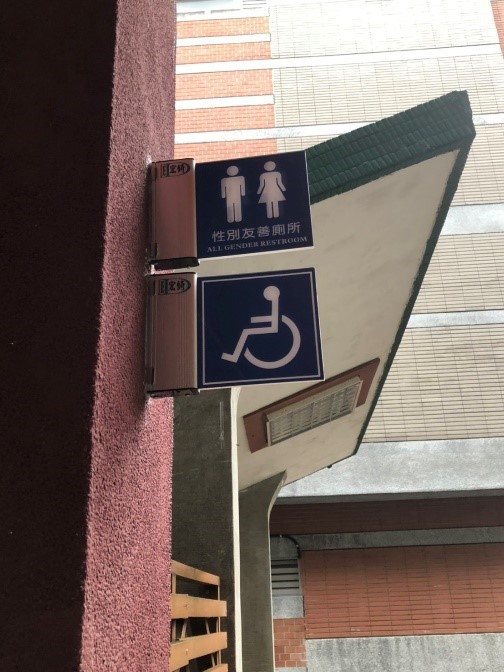
III. The University shall provide a gender equity learning environment, plan and establish gender friendly and safe zones on campus, and regularly examine and maintain the planning of the overall campus space as well as the use of facilities.
IV. Students must not be discriminated against based on their gender, gender traits, gender identity, or sexual orientation in student recruitment and enrollment at the University unless permitted by the competent authorities.
V. The University must not give unequal treatment to faculty, staff, and students in teaching, activities, evaluations, admission selections, promotions, reviews, rewards and punishments, benefits, and services based on their gender, gender traits, gender identity, or sexual orientation.
VI. The University shall actively provide assistance to faculty, staff, and students who are disadvantaged as a result of their gender, gender traits, gender identity, or sexual orientation, in order to improve their situation.
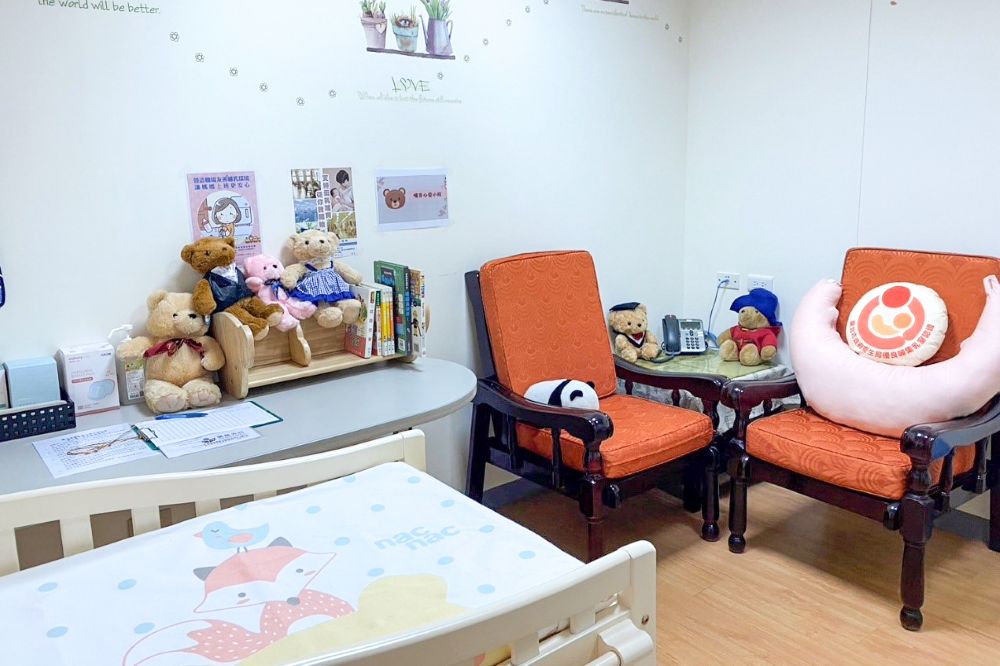
VII. The University shall actively protect the working rights of pregnant faculty and staff as well as the education rights of pregnant students, and provide necessary assistance.
VIII. Faculty members of the University shall be equipped with gender equity awareness by eliminating gender stereotyping, and avoiding gender prejudices and gender discrimination when engaged in educational work. The same applies to students of the University when engaged in extracurricular activities.
IX. The University shall encourage faculty members to offer gender related research courses, and provide assistance, evaluation, and rewards to the research and development of gender related topics.
X. Gender equity education shall be included in the pre-service education for faculty and staff of the University, training for new recruits of the University, on-the-job training for personnel of the University, training courses for administrative supervisors of the University, and student orientations.
XI. For the prevention and handling of gender-related incidents on campus, the National Taiwan Normal University Regulations for Gender-Related Incidents on Campus was established to implement advocacy for prevention education.
XII. The University shall refer to the gender equity education implementation plans drafted by the Gender Equity Education Committee each year and create budgets accordingly.
XIII. Matters not stipulated in the Guidelines shall be handled in accordance with the Gender Equity Education Act and other regulations of the University deemed relevant.
XIV. The Guidelines and any amendment thereto shall be approved by the Academic and Administrative Directors Council prior to its implementation.
國立臺灣師範大學校園性別事件防治與處理辦法 (National Taiwan Normal University Policy for the Prevention of Gender Discrimination, Sexual Assault, Sexual Harassment, and Sexual Bullying)
一百零六年一月五日一百零五學年度第一學期第一次性別平等教育委員會議修正通過
一百一十三年十一月二十日第一百三十三次校務會議修正通過
第一條(法源依據)
國立臺灣師範大學校園性別事件防治與處理辦法(以下簡稱本辦法)係依據性別平等教育法(以下簡稱性平法)第二十一條第二項、校園性別事件防治準則第三十八條第一項訂定之。
第四條(學校一般性任務)
本校應積極推動校園性別事件防治教育,以提升教職員工生尊重他人與自己性或身體自主之知能。
本校應提供性別平等之學習環境,建立安全之校園空間,並尊重學生與教職員工之性別特質及性傾向。
本校之聘僱、招生及就學許可不得因性別或性傾向而有不合理之差別待遇。
本校不得因教職員工生之性別或性傾向而給予教學、活動、評量、獎懲、福利及服務上之差別待遇,對於因性別或性傾向而處於不利處境之學生應積極提供協助。
本校應積極維護懷孕學生之受教權,並提供必要之協助。
本校應蒐集並提供教職員工生有關校園性別事件防治及救濟等資訊。
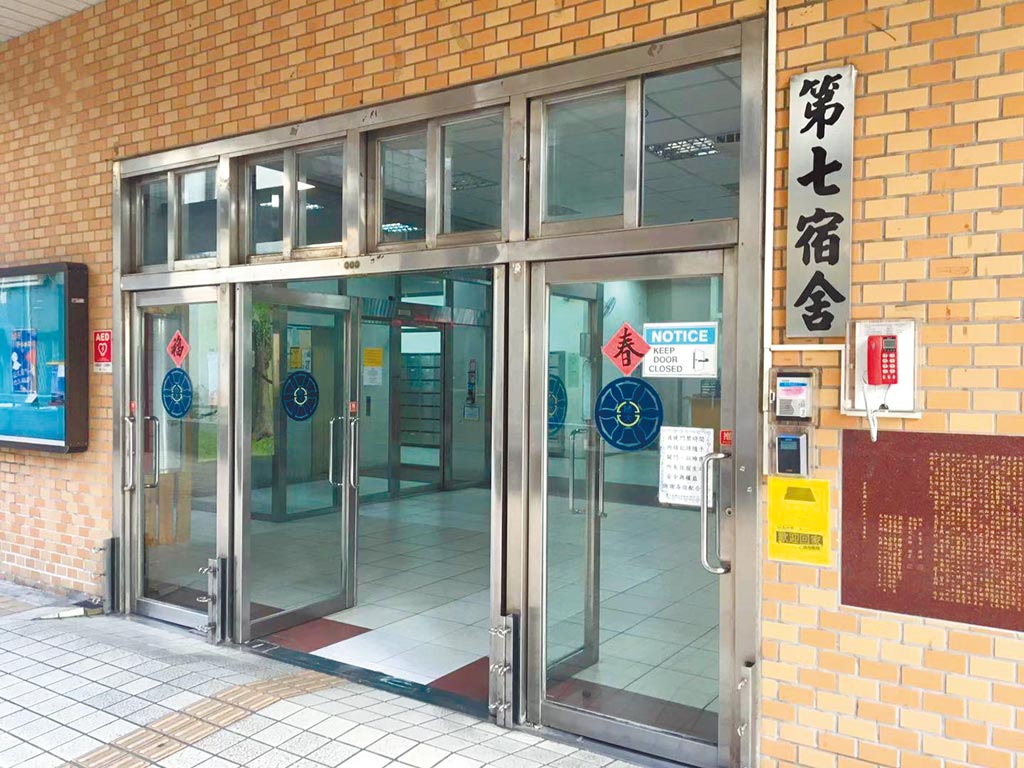
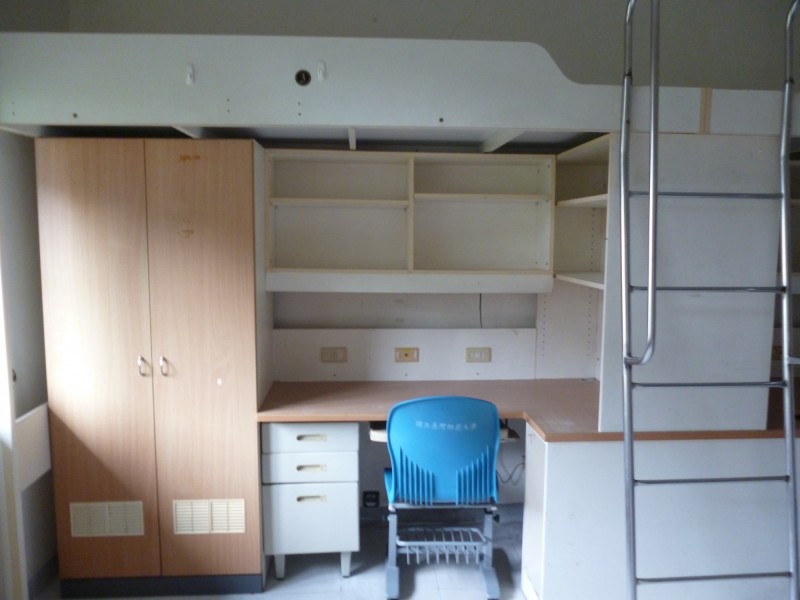
National Taiwan Normal University Dormitories Rules of Gender-Friendly Governing
1. Reference: The Ministry of Education formulated the Dormitories Rules of Gender-Friendly Governing for college students on June 23, 2022, and National Taiwan Normal University Regulations for Student Dormitory Counseling.
4. The transgender students who apply for dormitories of the school shall not be processed solely based on their biological gender, instead, they should be handled on a case-by-case basis for their accommodation arrangement in the dormitories.
Regulations for National Taiwan Normal University Advising System
Approved at 112th University Affairs Meeting on 18 June 2014
Amended at 117th University Affairs Meeting on 23 November 2016
Article 1
The regulations are established by National Taiwan Normal University in accordance with Article 17 of Teachers’ Act. The purpose is to implement the advising system, help develop characters of the students, and provide advising services based on students’ actual needs.
Article 2
The roles and selection of the advisers shall be as follows:
1. The Chair of each department shall be the head adviser, appointed by the President.
2. Graduate students shall be advised by the Chair of their department and graduate advisers according to their progress in graduate school. The departments shall assign advisers to provide freshmen life guidance and academic consultation before they have dissertation advisers.
3. The University shall appoint academic advisers, student advisers, and indigenous student advisers for undergraduate students.
a. Academic Adviser: Each department shall appoint a full-time faculty as the Academic Adviser for every two classes. Classes that consist of 50 or more students shall be assigned an adviser by the department. If the appointed faculty member is unable to serve as the adviser, the departments shall recommend or appoint another full-time faculty in his or her place.
b. Student Adviser: Each department shall appoint an adviser with a master degree as the Student Adviser. The Student Adviser shall be selected by the Office of Student Affairs and the department. Departments with less than four classes and less than 150 students shall be assigned one Student Adviser.
c. Indigenous Student Adviser: The University shall employ Indigenous Student Advisers who are specifically responsible for indigenous student counseling.
Article 3
Responsibilities
Head Adviser:
1. Promote student affairs of the department.
2. Coordinate with academic advisers, student advisers, and teachers on student affairs of the department.
3. Hold case management meetings for at-risk students and students in crises.
4. Hold adviser meetings every semester.
5. Attend meetings related to student affairs.
Academic Adviser:
1. Provide guidance and advice on course selection.
2. Offer routine evaluation of student learning.
3. Assist students with learning difficulties and make referrals.
4. Advise on career development and other related matters.
5. Assist in scholarship applications and academic or employment recommendations.
6. Work together with the Chair, teachers, and Student Advisers.
7. Assist in other student learning and career-related matters.
Student Adviser:
1. Promote student affairs in accordance with relevant regulations and under instruction of the deans and the chairs.
2. Attend student affairs meetings, counseling meetings, and trainings.
3. Keep in contact with the departments and parents, understand family and personal backgrounds, be familiar with learning resources, and provide students with guidance or referral when needed.
4. Utilize intramural and extramural resources to strengthen primary prevention for at-risk students.
5. Conduct student assessment and implement punishment and reward based on the decision of the Student Disciplinary Committee.
6. Supervise students to complete the Guidance and Counseling Information System and E-portfolio.
7. Provide assistance in facilitating physical and mental assessments for students.
8. Implement education on college orientation and university regulations, promote holistic education, and encourage students to participate in extracurricular activities.
9. Handle student leave and emergencies.
10. Be on call for night time emergencies and conduct rental home visits for students.
11. Assist in department affairs and attend department meetings.
12. Assist in other student affairs and counseling-related matters.
Indigenous Student Adviser:
1. Assist in application of tuition exemption and scholarship.
2. Hold forums and lectures related to mother tongue education and ethnic identity.
3. Provide assistance related to difficulties in learning or college life adjustments.
4. Assist in coping with adversity and stress management.
5. Provide referrals for students for after-school tutoring or remedial education.
6. Provide advice and guidance on career development.
7. Make requests for extramural resources and connections.
8. Other indigenous student related affairs.
Article 4
Highlights of the Responsibilities of the Advisers:
1. For freshmen and sophomores, Academic Advisers shall focus on orientation, academic planning, and minor selection. For juniors and seniors, the focus shall be on professional education, plans for further studies, and career planning.
2. Student Advisers shall focus on life education, college life adjustment, deviant behavior correction, emergency assistance, and primary prevention for at-risk students.
3. When encountering special cases, the Academic Advisers and Student Advisers shall request assistance and referral from relevant offices.
4. Academic Advisers and Student Advisers shall record group and individual advising records monthly on the Student Advising Information System.
Articles 5–11 (Summary)
Article 5 – Adviser hours are scheduled on Wednesday mornings. Academic advisers hold weekly sessions and group meetings; student advisers provide at least two hours of guidance monthly.
Article 6 – Advisers shall participate in relevant professional training or workshops to enhance their advising competencies.
Article 7 – Compensation and funding: advisers may have reduced teaching loads or receive stipends; budgets are managed by the Office of Student Affairs.
Article 8 – Outstanding advisers shall be commended; selection criteria are stipulated separately.
Article 9 – Annual evaluations for student advisers are jointly conducted by the Dean of Student Affairs and department head advisers.
Article 10 – Special regulations are set for part-time master’s programs and overseas Chinese preparatory students.
Article 11 – The regulations and any amendments shall take effect upon approval by the University President following the University Affairs Meeting.
Individual Counseling Service Description
What is Individual Counseling?
Individual counseling is one of the primary services offered by the Counseling and Guidance Center. It provides professional one-on-one psychological counseling for all students, helping them with self-exploration and self-understanding, developing emotional management and interpersonal communication skills, and enhancing overall adjustment in life and academic settings.
When Is Individual Counseling Available?
Each semester, the Counseling and Guidance Center arranges psychologists and intern psychologists who specialize in topics such as self-exploration, career planning, romantic relationships, family issues, emotional distress, and stress adjustment.
Information regarding the duty hours and areas of specialization of the psychologists can be found under “Staff Duties” and “Individual Counseling” on the Center’s website. You are also welcome to visit the Center in person for further information.
How to Make an Appointment for Individual Counseling?
If you need individual counseling, you can log in through:
University Administrative Portal → Application Systems → Student Affairs Systems → Counseling e-System → Individual Counseling.
If you have any questions, you may also visit the Counseling and Guidance Center in person, where our staff can assist you with the appointment process.
What Happens After You Make an Appointment?
After you submit your appointment request, a psychologist from the Center will contact you via phone or email. Your request will then enter a matching process to arrange a suitable psychologist for you.
Please pay attention to messages from the Center (emails or phone calls from numbers beginning with 7749) to confirm further arrangements.
If you do not receive any updates, you are welcome to contact the Center directly by phone or email.
Contact Information
• Email: counseling@deps.ntnu.edu.tw
• Phone:
o Heping Campus II – (02) 7749-5363 / (02) 7749-5364
o Gongguan Campus – (02) 7749-6451
National Taiwan Normal University Academic Regulations
Acknowledged by the Ministry of Education in Letter No. Tai Zhong 20960166842 dated November 12, 2007 and Letter No. Tai Zhong 20970008554 dated January 16, 2008.
Amendments to Articles 4, 5, 9, 14, 15, and 51 approved during the University’s 131st University Affairs Meeting on November 22, 2023.
Article 15
The term of study for undergraduate programs shall be four (4) years. Students who have not completed their studies in their relevant undergraduate program, minor, inter-disciplinary program, or in the area of specialization courses or professional education courses of the pre-service teacher education courses within the specified term of study, students who have been approved for overseas study-exchange, overseas internships, or enrollment in overseas dual degrees programs, as well as students who are pregnant, have given birth, or are providing childcare to infants three years of age or younger may extend their term of study by two (2) years with approval.
Students from Hong Kong, Macau, or foreign countries enrolled in undergraduate studies with educational backgrounds equivalent to the second year of a domestic high school and who have gained admission through equivalent qualifications are required to earn additional credits before graduation. If they are unable to acquire all necessary credits within the first extension period, they may apply for an additional extension of one (1) year.
Students involved in frequent training or competitions may submit a special application to extend their term of study for a maximum of four (4) years.
Students who are physically or mentally disabled may extend their term of study for a maximum of four (4) years in accordance to their physical or mental condition.
Students taking a double major who have acquired all the necessary credits required by one department after a two (2) year extension, but have not acquired all the required credits of the second department may extend their term of study by an additional one (1) year.
Students who have completed the required courses and credits of relevant undergraduate program one semester or one academic year ahead of the maximum years of study and have fulfilled relevant graduation requirements may apply for early graduation at the Office of Academic Affairs. However, the term of study for education programs must be at least two (2) years with an additional full-time educational internship of six (6) months.
Article 57
The suspension of studies is calculated based on academic semesters with the maximum suspension period being two (2) academic years. In special cases the suspension period may be extended if one of the following conditions apply:
1. Severe illness (a Certificate of Diagnosis issued by a regional (or higher) level hospital is required, and the issuing hospital must be accredited by the National Health Insurance Bureau) or special circumstances in which a suspension of studies is required. Approval shall be required from the department head and the Dean of Academic Affairs before the suspension period can be extended. The maximum period of extension shall be limited to two (2) academic years.
2. Military draft. Domestic students applying for a suspension of studies due to military conscription shall attach a copy of their draft notice, Administrative Discharge Order, or other relevant documentation either when applying or at the completion of their military service. The period of military service shall be excluded from the period granted for the suspension of studies.
3. Pregnancy or childbirth. To apply for a suspension of studies, a Certificate of Diagnosis issued by a regional (or higher) level hospital is required, and the issuing hospital must be accredited by the National Health Insurance Bureau. This period shall not exceed two (2) semesters and shall not be counted as a part of the period granted for the suspension of studies.
4. Childcare for infants three years of age or younger. To apply for a suspension of studies, relevant documentation shall be required. This period shall not exceed six (6) semesters and shall not be counted as a part of the period granted for the suspension of studies.
Gender Equality in Employment Act
Enacted and promulgated a total forty articles of the Act by the Presidential Order No. 09100003660 on January 16, 2002. The Act shall become effective on March 8, 2002.
10. Amendments to the Gender Equality in Employment Act, promulgated by Presidential Order of Hua-Zong-(1)-Yi-Zi No. 11200069341 on August 16, 2023, revised and promulgated the titles and Articles 1, 2, 5, 12, 13, 27, 34, 35, 37, 38-1, and 40; added Articles 13-1, 32-1 to 32-3, 38-2 to 38-4, and 39-1; except for Paragraphs 2 to 4 of Article 5, Paragraphs 3, 5 to 8 of Article 12, Articles 13, 13-1, 32-1 to 32-3, 34, and 38-1 to 38-3, which shall be enforced from March 8, 2024, all other Articles shall be enforced from the date of promulgation. (Former Title: Act of Gender Equality in Employment; New Title: Gender Equality in Employment Act)
Article 15
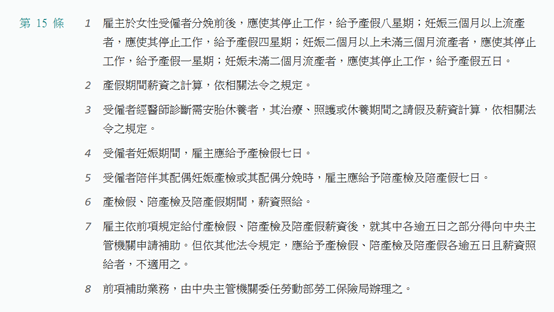
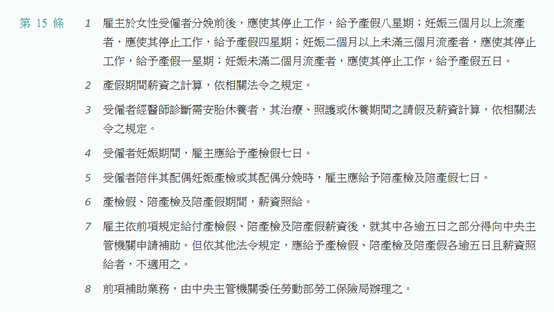
(I) Employers shall stop female employees from working and grant them a maternity leave before and after childbirth for a combined period of eight weeks. In the case of a miscarriage after being pregnant for more than three months, the female employee shall be permitted to discontinue work and shall be granted a maternity leave for four weeks. In the case of a miscarriage after being pregnant for over two months and less than three months, the female employee shall be permitted to discontinue work and shall be granted a maternity leave for one week. In the case of a miscarriage after being pregnant for less than two months, the female employee shall be permitted to discontinue work and shall be granted a maternity leave for five days.
(II) The computation of wage during maternity period shall be in accordance with related laws and regulations.
(III) When pregnant employees are diagnosed by a physician as needing to recuperate, their leave-taking and wage during the period of medical treatment, care, or recuperation, shall be in accordance with related laws and regulations.
(IV) During an employee’s term of pregnancy, their employer shall grant seven days of leave for pregnancy checkups.
(V) When an employee accompanies their spouse for pregnancy checkups or such spouse is in labor, their employer shall grant the employee seven days off as pregnancy checkup accompaniment and paternity leaves.
(VI) Regular wages shall be paid for pregnancy checkups, pregnancy checkup accompaniment and paternity leaves.
(VII) For the payment of wages for the periods of pregnancy checkups, pregnancy checkup accompaniment and paternity leaves in accordance with the provisions of the preceding Paragraph, employers may apply to the central competent authority for subsidies for the payment of wages for the parts of periods exceeding a five-day period of leave, excluding the situations in which a period of pregnancy checkups, pregnancy checkup accompaniment and paternity leaves of over five days and the regular wages are required to be granted in accordance with other laws or regulations.
(VIII) The distribution of the subsidies stated in the preceding Paragraph shall be handled by the Bureau of Labor Insurance of the Ministry of Labor under the appointment by the central competent authority.