All newly constructed buildings in NTNU are required to obtain the green building label in accordance with the Ministry of the Interior’s 2012 “Green Building Label Application Review, Approval and Use Practice Guidelines”, which will be amended to “Administrative Directions of Applying for Approval of Green Building and Building Energy-Efficiency Label”in 2023.
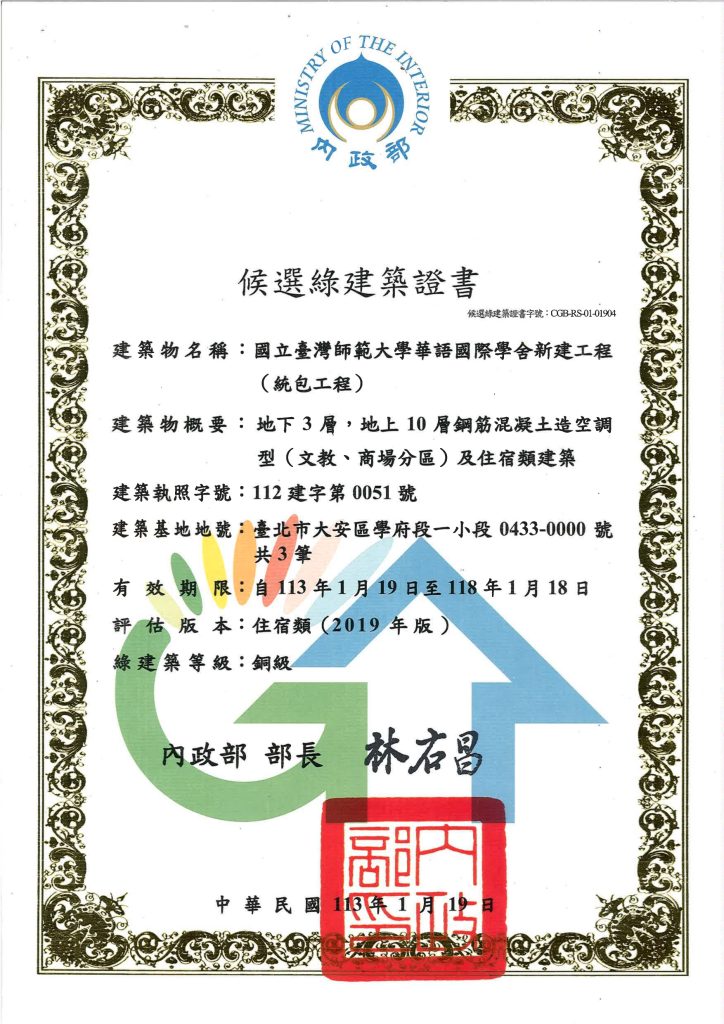
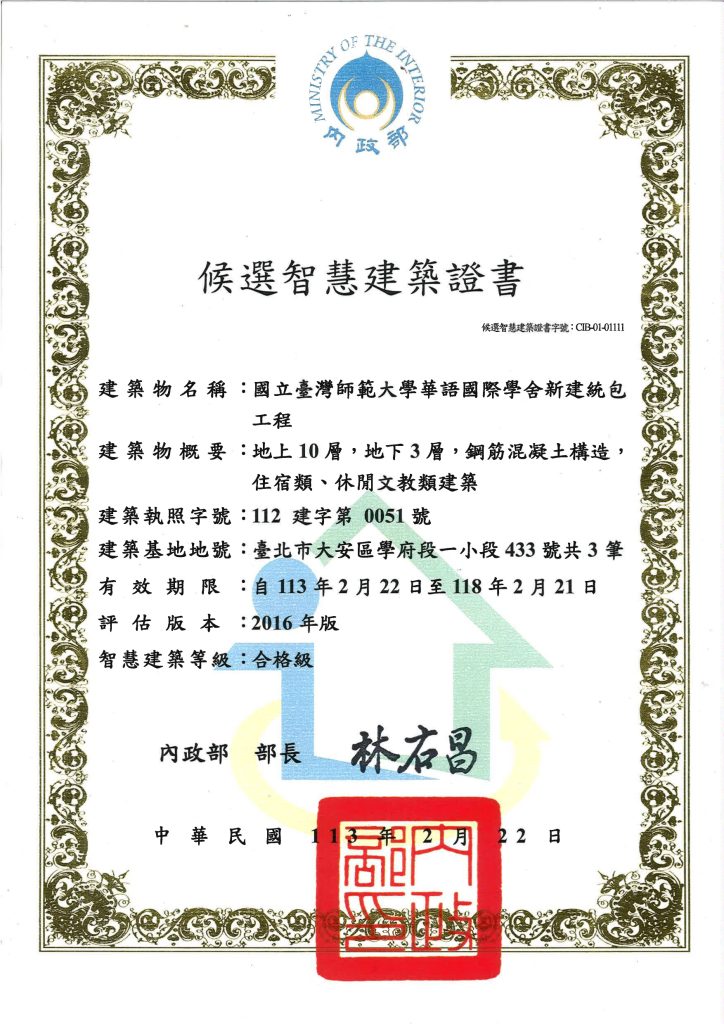
NTNU held a groundbreaking ceremony for the International Chinese Language Dormitory on September 25, 2023, with completion expected in 2027. The project received the Green Building certification (Certificate No: CGB-RS-01-01904) on January 19, 2024, and the Smart Building certification (Certificate No: CIB-01-01111) on February 22, 2024.
The dormitory will provide a gender-friendly environment featuring a modern and minimalist design. It will include teaching spaces, shops, and parking to create an ideal living and learning environment. The University stated that the dormitory will serve international students and be open to local students in the future, helping solve student housing issues, promote cultural exchange, and foster a more internationalized campus.
The Green Building certification
The Smart Building certification
7.2.2 Upgrade buildings to higher energy efficiency
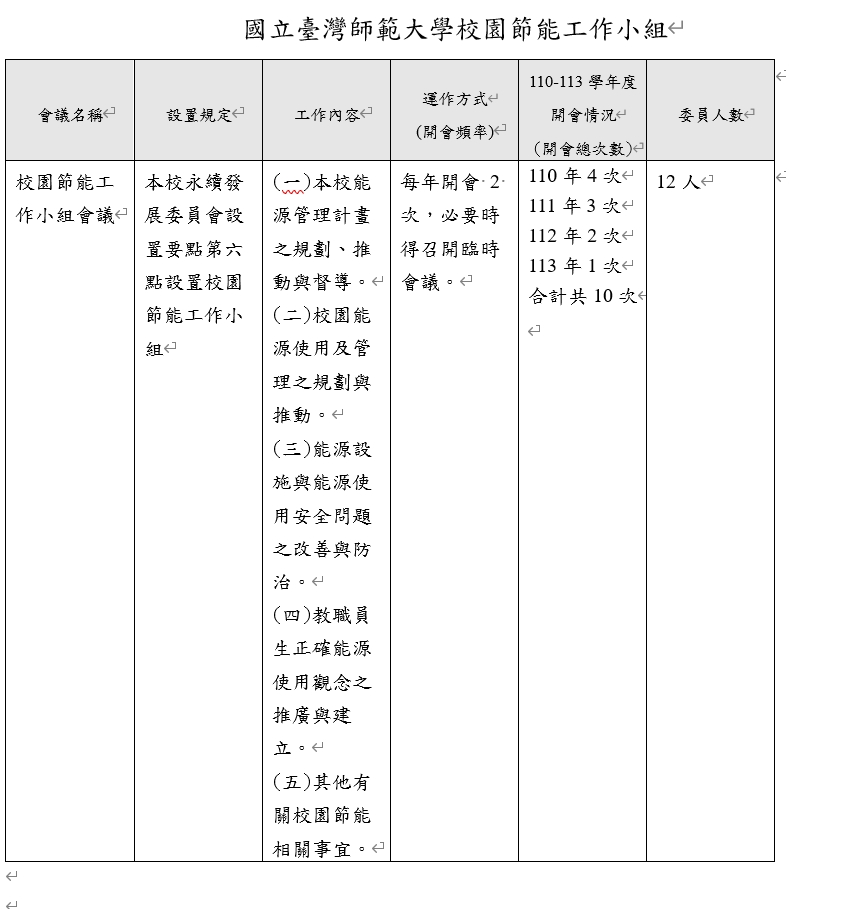
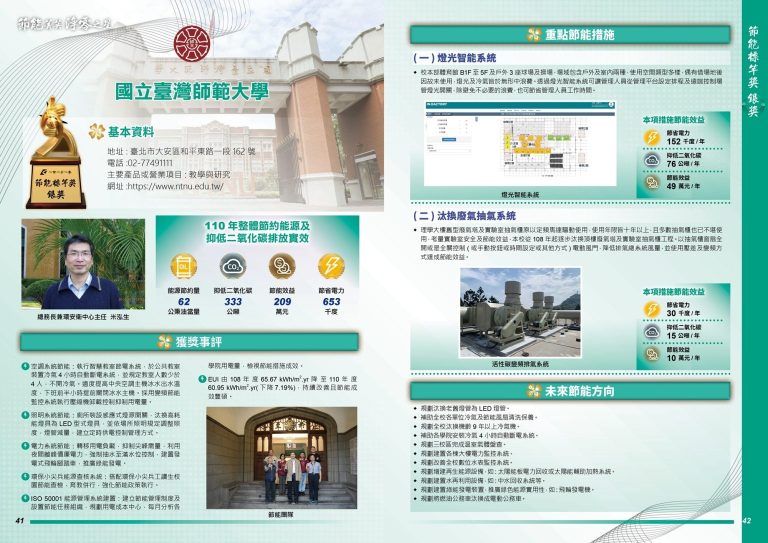
The University is committed to energy conservation and carbon reduction through policy declarations, educational campaigns, carbon emission tracking, improving energy efficiency in campus buildings, and increasing the use of renewable energy. The Energy Conservation Task Force sets carbon reduction plans and monitors progress each year.
A series of major energy saving and carbon reduction measures have been implemented from 2021 to 2023.
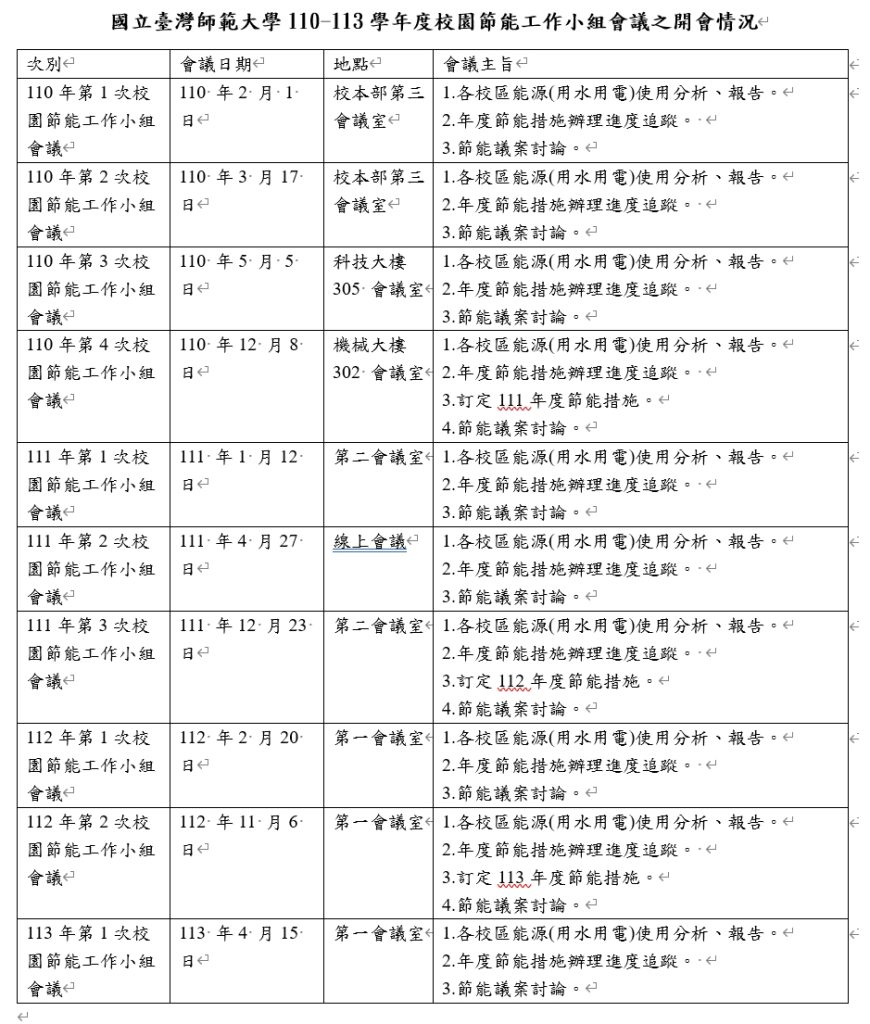
NTNU 112 annual campus energy conservation working group meeting.
7.2.3 Carbon reduction and emission reduction process
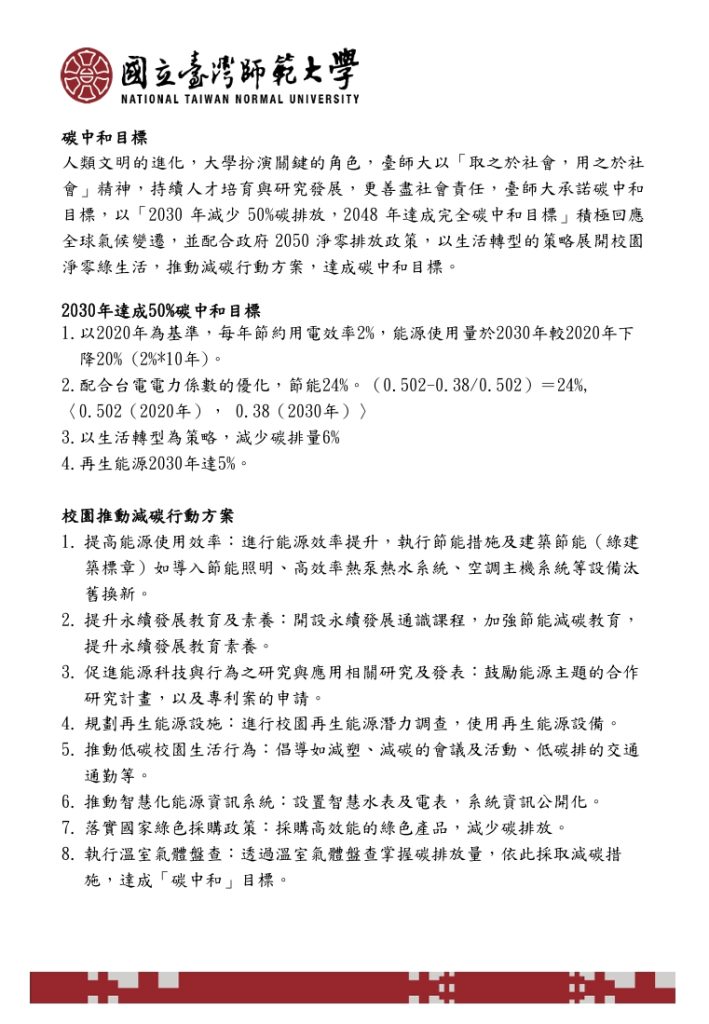
NTNU Carbon Neutrality Goal
National Taiwan Normal University (NTNU) recognizes that a university has to play an essential role in the evolution of human civilization. In response to Taiwan’s 2050 Zero Emission policy and UN 2030 Agenda – Sustainable Development Goals (SDGs), NTNU promises to be carbon-neutral by 2048. In addition to continuing to cultivate talents and develop research, the university will fulfill social responsibilities and increase impacts. NTNU aims to “reduce carbon emissions by 50% by 2030 and achieve complete carbon neutrality by 2050” through net-zero green life, energy efficiency, low carbon emission electricity (kgco2e), and green energy.
Achieve 50% carbon neutrality goal by 2030 1. Based on 2020, save electricity efficiency by 2% every year, and reduce energy consumption by 20% in 2030 compared to 2020 (2%*10 years).
2. With the optimization of Taipower’s power coefficient, energy saving is 24%. (0.502-0.38/0.502) = 24%, <0.502 (2020), 0.38 (2030)>.
3. Take life transformation as a strategy to reduce carbon emissions by 6%.
4. Renewable energy will reach 5% in 2030.
7.2.4 Plan to reduce energy consumption
NTNU places great importance on energy conservation, carbon reduction, and environmental protection, actively promoting the United Nations Sustainable Development Goals. Every year, the Environmental and Public Safety Center holds meetings by the “Guidelines for the Establishment of the Campus Energy Conservation Task Force” to formulate energy-saving plans and implement various measures. The energy-saving measures implemented in 2023 include:
Encouraging the installation of protective covers on refrigerant pipes of outdoor air conditioning units.
Setting drinking water dispensers to maintain cold water temperatures no lower than 10°C in summer and shutting them down or putting them in sleep mode during winter and at night.
Allocating a budget of NT$800,000 to replace 29 outdated air conditioning units and clean and maintain 178 units.
Allocating a budget of NT$100,000 to clean at least 198 energy-efficient fans.
Rearranging dormitory accommodations during the summer to save electricity.
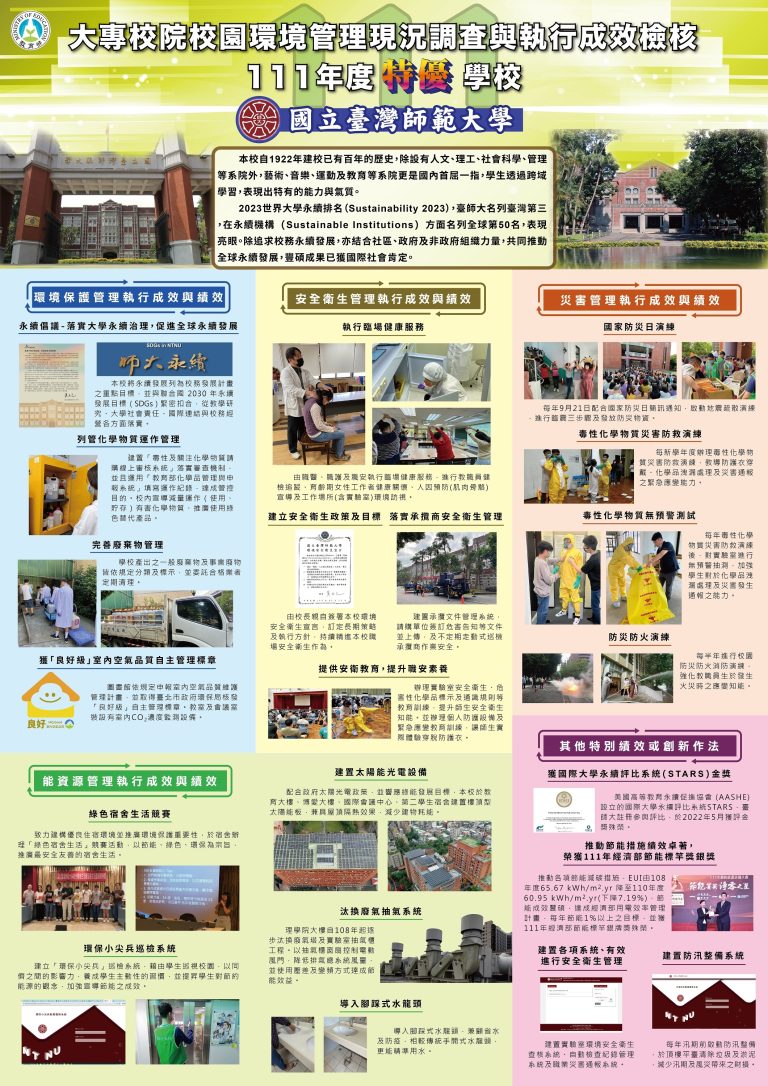
Additionally, the University was awarded the Silver Medal for the Energy Conservation Benchmark Award by the Ministry of Economic Affairs, recognized as an Outstanding University in Environmental Management and Safety by the Ministry of Education, and performed exceptionally well in the regular water conservation evaluations. These efforts are part of the University’s commitment to building a green and sustainable campus.
The Energy Conservation Benchmark - Silver Medal Awarded by the Ministry of Economic Affairs
The Environmental Management and Safety Outstanding University awarded by the Ministry of Education
7.2.5 Energy wastage identification
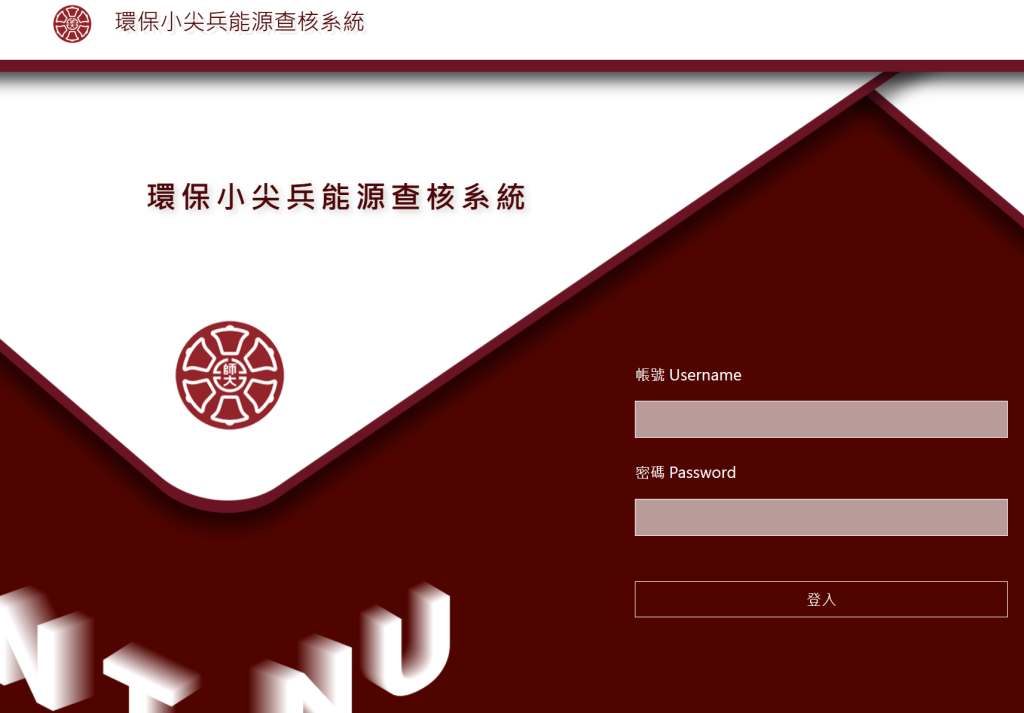
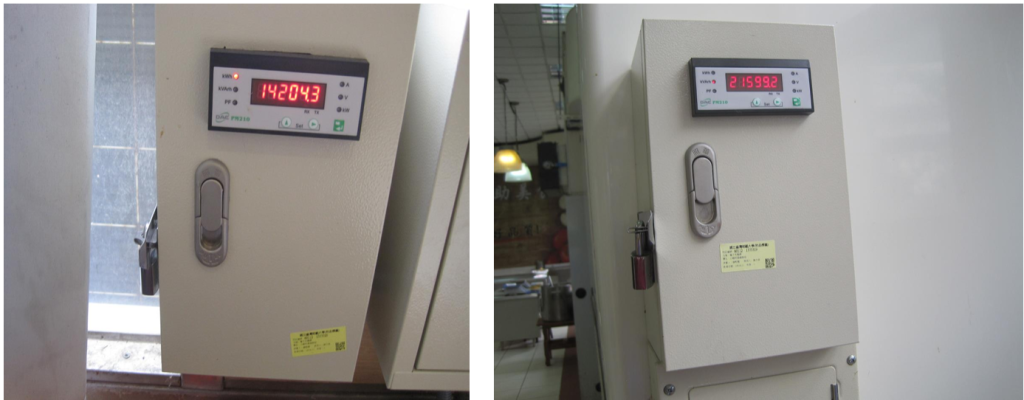
Since 2014, the University has implemented the “Environmental Little Vanguard Energy Audit System,” where staff and student assistants conduct weekly inspections of electricity usage across campus. These inspections are recorded and managed in real-time through an online system to detect and prevent energy waste. The Environmental Little Vanguard also promotes energy-saving concepts during inspections, raising awareness among faculty and students. In addition, the University received the “Gongguan Campus’s ISO 50001 Energy Management System Certification” in December 2021. Power monitoring systems and digital water meters have been installed across campuses to enhance the monitoring of electricity and water usage, reducing resource waste. At the LinKou Campus, digital meters have been installed on low-voltage power distribution panels to record electricity consumption in different areas, enabling more efficient energy management.
Environmental Little Vanguard Energy Audit System
NTNU Digital Meter Equipment
7.2.6 Divestment policy
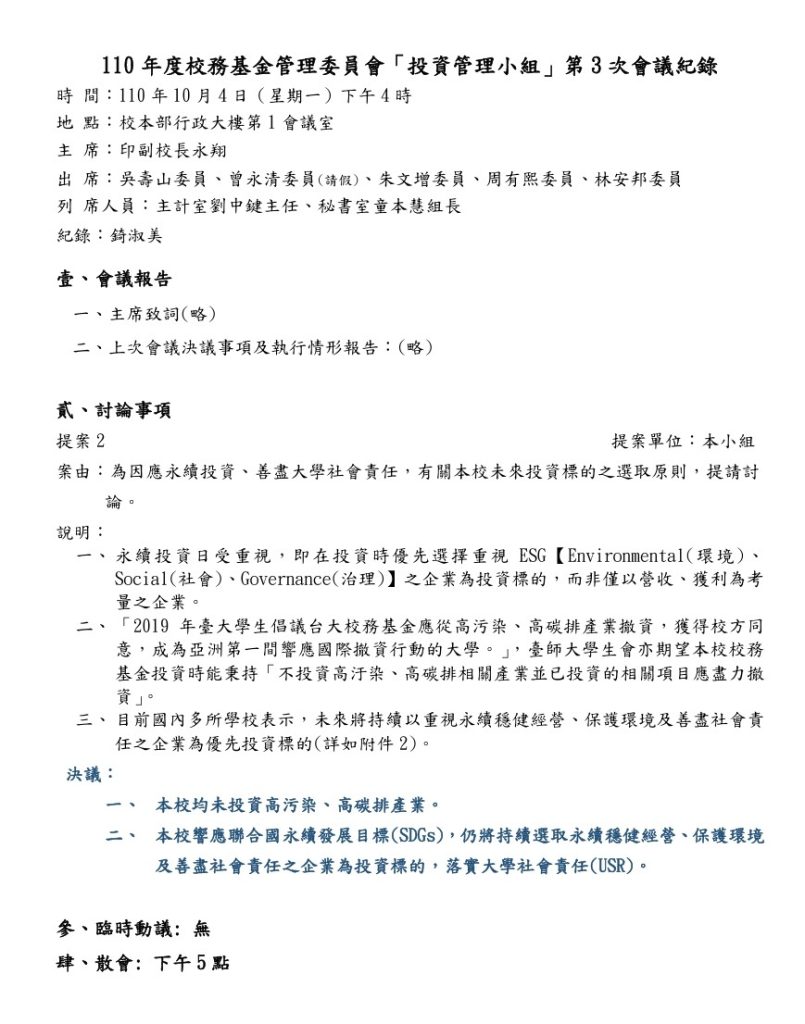
NTNU currently does not invest in high-pollution or high-carbon emission industries.
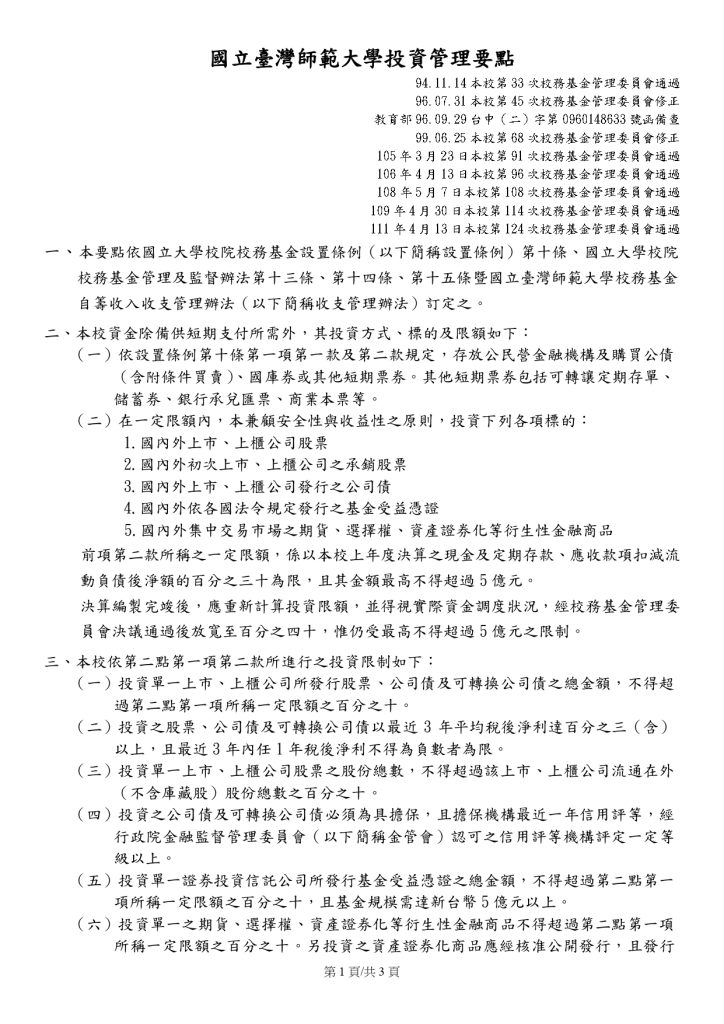
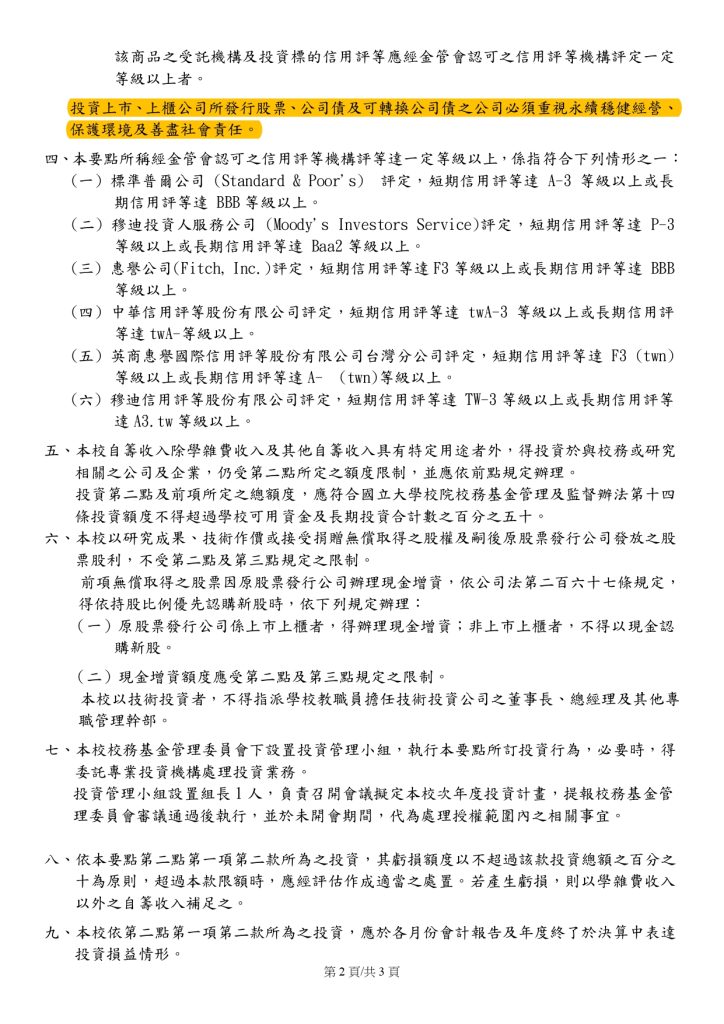
NTNU has announced in the 2022 Financial Planning Report that in response to the United Nations’ sustainable development goals, it will continue to select companies that operate sustainably and steadily, protect the environment and fulfill social responsibilities as investment targets to implement the University Social Responsibility (USR) . In addition, the “Key Points of Investment Management” clearly stipulates that when NTNU invests in companies listed on the stock exchange, stocks, corporate bonds and convertible corporate bonds issued by OTC companies, need to choose companies with sustainable management concepts, emphasis on environmental protection and fulfillment of social responsibilities as investment targets.
Investment Management Team Meeting Minutes: Our school has not invested in any high-pollution or high-carbon emission industries.
Establish a policy of publicizing key investment management principles, ensuring sustainable investment and fulfilling social responsibilities.
7.3.1 Energy usage per sqm (GJ/m2)
According to the university’s publicly available information and NTNU’s “Water and Electricity Consumption Statistics 2019-2025“, energy usage per square meter in 2025 was 129.973 GJ, a decrease from 108.171 GJ in 2024. Although 3,000 new dormitory beds were added in 2024, increasing the number of students on campus, energy consumption was reduced through energy-saving measures.
7.4.1 Local community outreach for energy efficiency
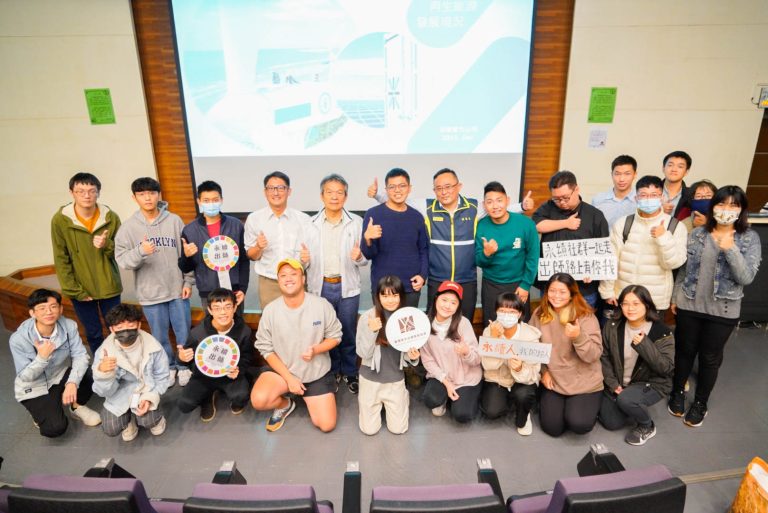
Taiwan Youth Sustainability Development Association and Taipower D/S One jointly organized a series of university campus renewable energy events at NTNU, with the student group “Sustainability Club” hosting the first event at NTNU. The aim is to promote renewable energy knowledge and inspire young people to engage with energy issues while encouraging participation from the local community. In his opening speech, Director Tzu-Chau Chang of NTNU’s Sustainable Development Center emphasized that sustainability is a core value of NTNU, and the university is actively installing solar panels in line with government policies. The event also featured a presentation by the head of Taipower’s Department of Renewable Energy, who shared insights on the current state of renewable energy in Taiwan and the development potential of solar power systems, advocating for energy policies and green energy concepts as part of the journey toward net-zero carbon emissions.
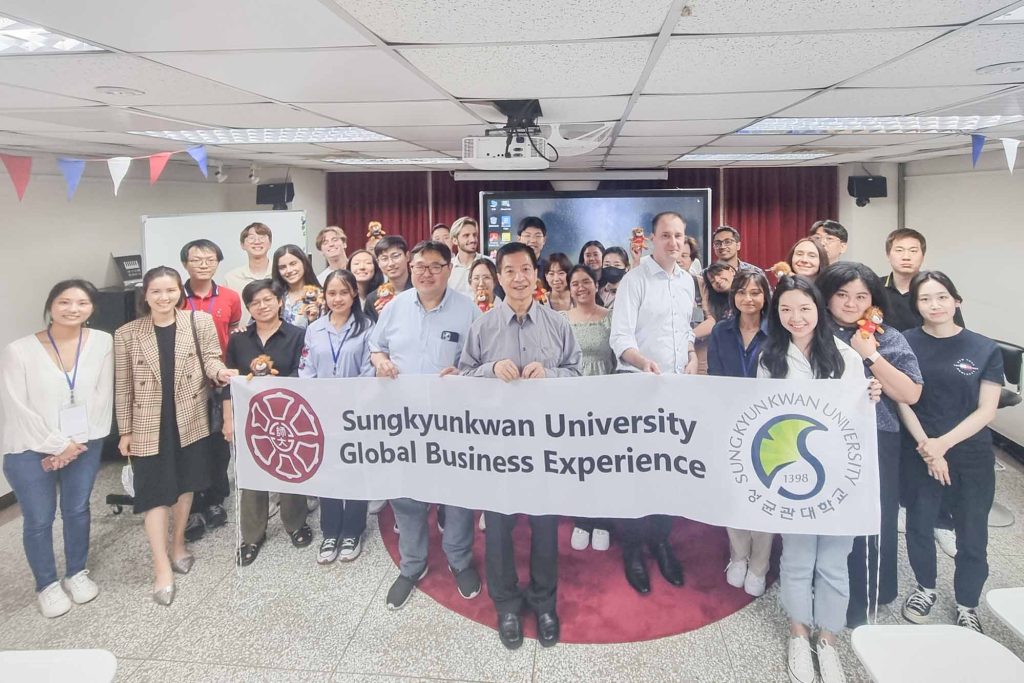
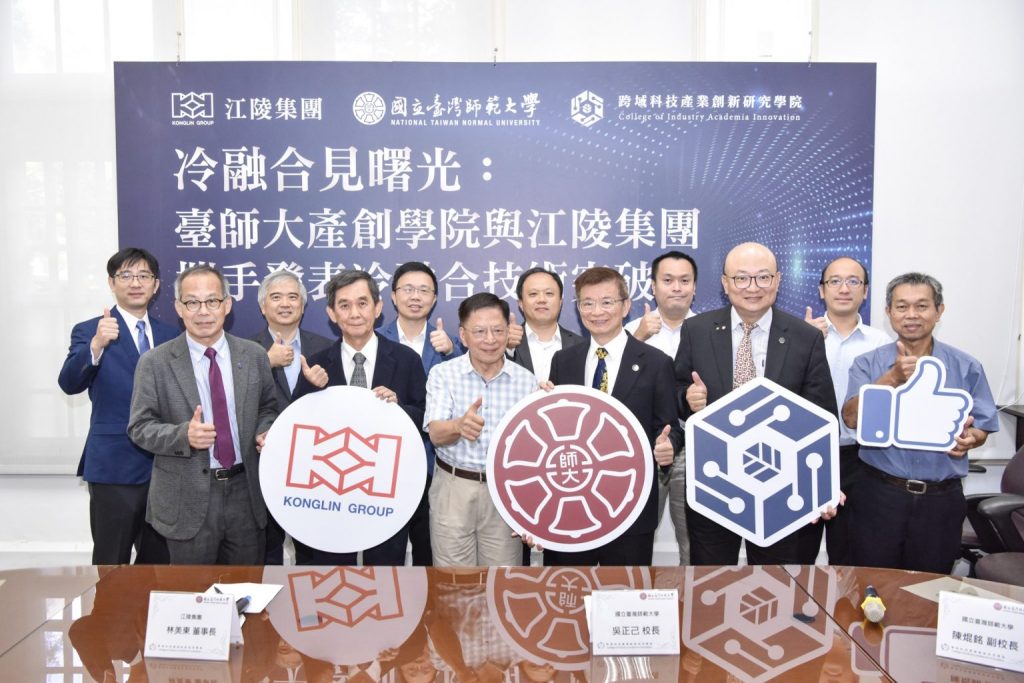
NTNU has also collaborated with external institutions, including a visit from the SungKyunKwan Graduate School of Business in South Korea from May 22 to 25. The delegation explored Taiwan’s energy management and recycling systems and conducted a cultural survey at the National Palace Museum and Jiufen. Through lectures and corporate visits, they learned about sustainable development concepts. Additionally, starting in 2023, NTNU signed an industry-academia collaboration with Konglin company to co-develop the “Jiufen Zero Carbon Green Energy Park,” integrating innovative technology with cutting-edge academic research to achieve greater energy efficiency.
Visiting Delegation from SKK GSB
Visiting Delegation from SKK GSB
Industry Cooperation Project with Konglin
7.4.2 100% Renewable energy pledge
The University’s embrace of 100% renewable energy aligns with the United Nations Sustainable Development Goal 7 (SDG7) of “Affordable and Clean Energy.” It is currently developing a medium—to long-term sustainable energy action plan for the campus, with the goal of transitioning to 100% renewable energy sources.
In response to initiatives like RE100 in the business sector, the University not only actively plans its own 100% renewable energy campus governance and implementation strategies but also explores opportunities for collaboration and fostering discussions with other higher education institutions on adopting renewable energy. Additionally, through academic research, teaching, policy influence, social responsibility, and other initiatives, we intend to promote and encourage various organizations to join this commitment and work towards 100% renewable energy.
7.4.3 Energy efficiency services for industry
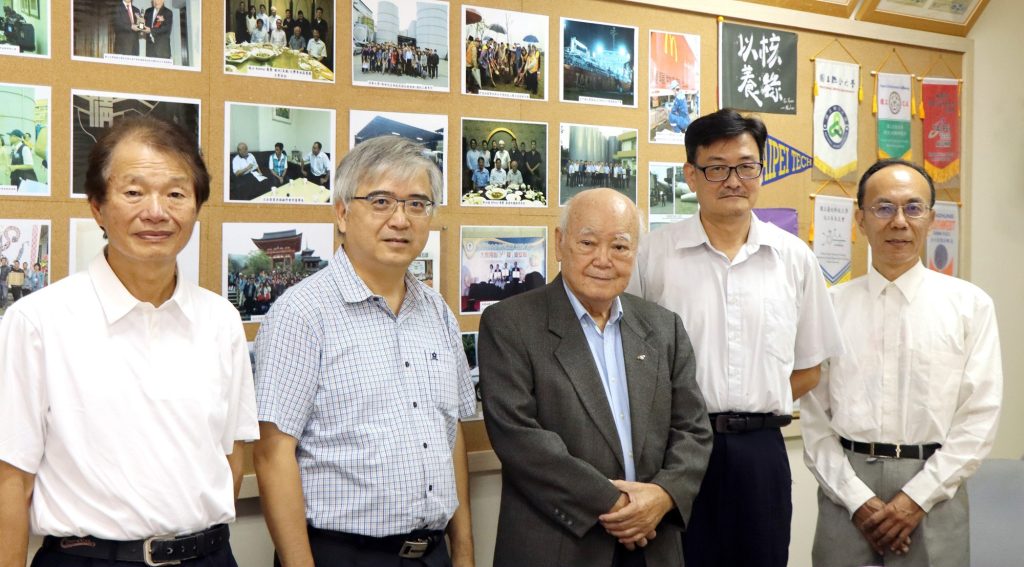
Professor Lee, Vice Dean of the College of Industry Academia Innovation, has collaborated extensively with Chant Oil, a company founded by a distinguished university alumnus. Professor Lee expertise in genetic engineering, has supported Chant Oil in developing specific lipase enzymes to improve biocatalytic processes, reducing pollution and costs and establishing a green, safe, and sustainable biodiesel production process.
Chant Oil recycles nearly 90% of Taiwan’s waste cooking oil annually, converting it through catalytic and distillation techniques into high-quality biodiesel. This biodiesel, used in diesel vehicles and generators, significantly lowers carbon emissions and reduces air pollution. Chant Oil has expanded internationally, becoming one of the world’s largest biodiesel producers.
Chant Oil has a long-term close cooperative relationship with NTNU.
7.4.4 Policy development for clean energy technology
In line with government policies, the University is actively planning the installation of solar power facilities. The current installed capacity is 356.575 kW, and the installation of rooftop solar panels at the Linkou Campus is expected to be completed by July 2024, with an estimated capacity of 2,499.75 kW. In the future, the total solar power capacity across all campuses will reach 2,856.325 kW.
Current installed capacity
356.575 kW
Projected installed capacity
2499.75 kW
Total installed capacity
2856.325 kW
7.4.5 Assistance to low-carbon innovation
NTNU encourages faculty and staff to actively participate in industry-wide low-carbon innovation collaboration projects and activities related to “sustainable governance and net-zero carbon emissions”:
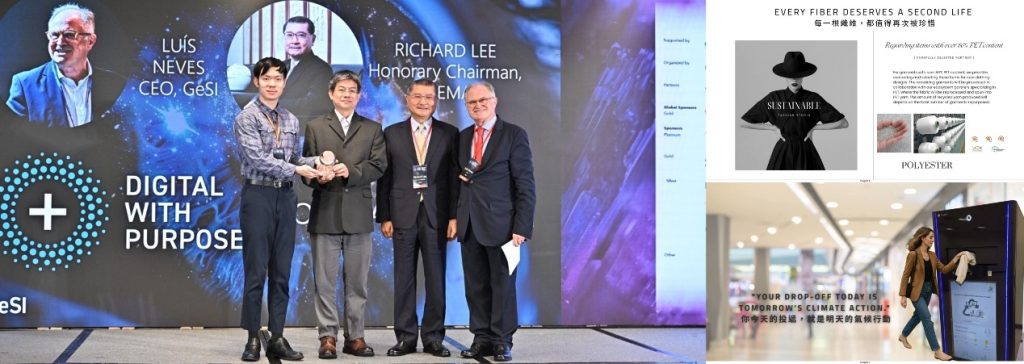
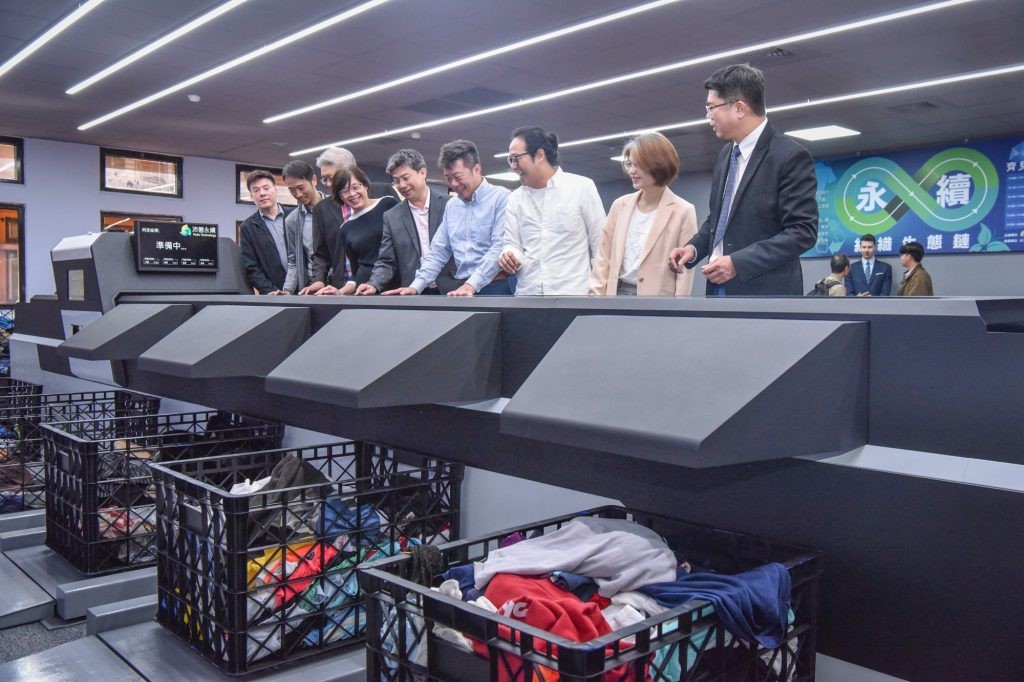
I. NTNU encourages faculty and staff to participate in low-carbon innovation projects related to sustainable governance and net-zero carbon emissions. The textile industry is the world’s second-largest polluting industry, generating 92 million tons of textile waste in 2018. Professor Hsieh Chen-Chieh of the Department of Photonics developed an AIoT-based used clothing sorting system, combining near-infrared spectroscopy with AI algorithms, which garnered support from the Ministry of Economic Affairs to establish Pei-Te Sustainable Technology Co., Ltd. This company launched the “Smart Sorting Sustainable Textile” system, integrating the supply chain, promoting a green circular economy, assisting the textile industry towards sustainable development and net-zero carbon emissions goals, and jointly protecting the Earth’s environment.
The newly launched product “Peide Sustainability” won two DWP Global Sustainability Awards.
The innovative “Smart Sorting Sustainable Textile” system utilizes near-infrared light for rapid remote sensing, enabling non-destructive and non-contact material detection and classification, thus contributing to the development of a green circular economy.
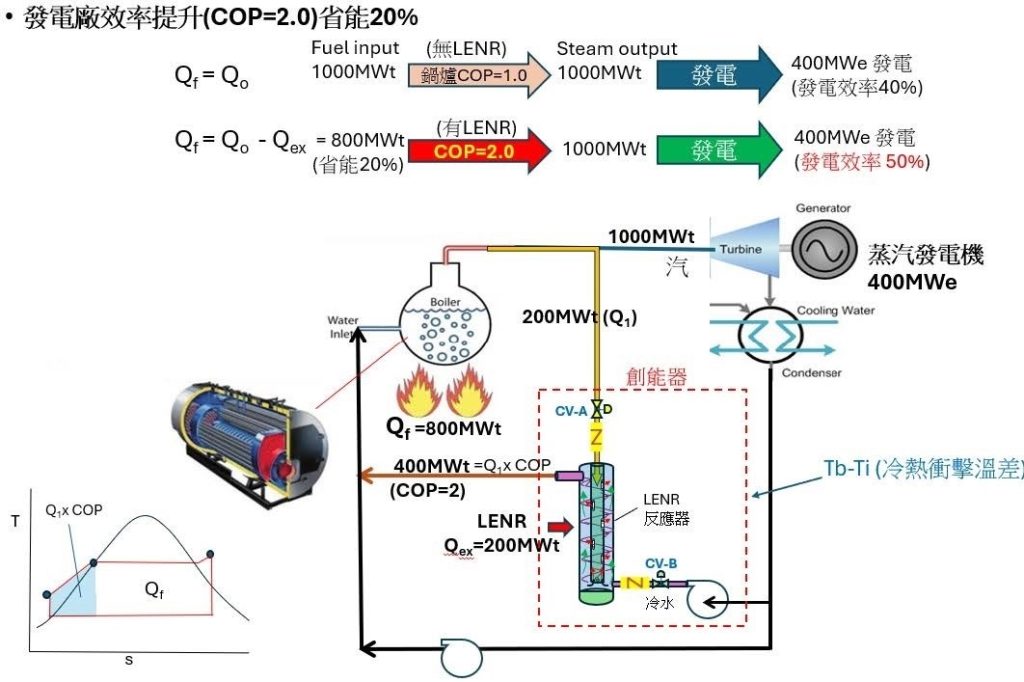
2. The Institute for Cross-Domain Technology Industry Innovation, in collaboration with the Jiangling Group, announced a breakthrough in “Cold Fusion Technology” in 2024. This technology uses water as fuel and can conduct nuclear reactions at low temperatures, eliminating nuclear pollution. It holds promise for applications in energy conservation, carbon reduction, and the medical field
Cold fusion technology can be used for energy conservation and carbon reduction in power plants, making the dream of generating electricity from water a reality.
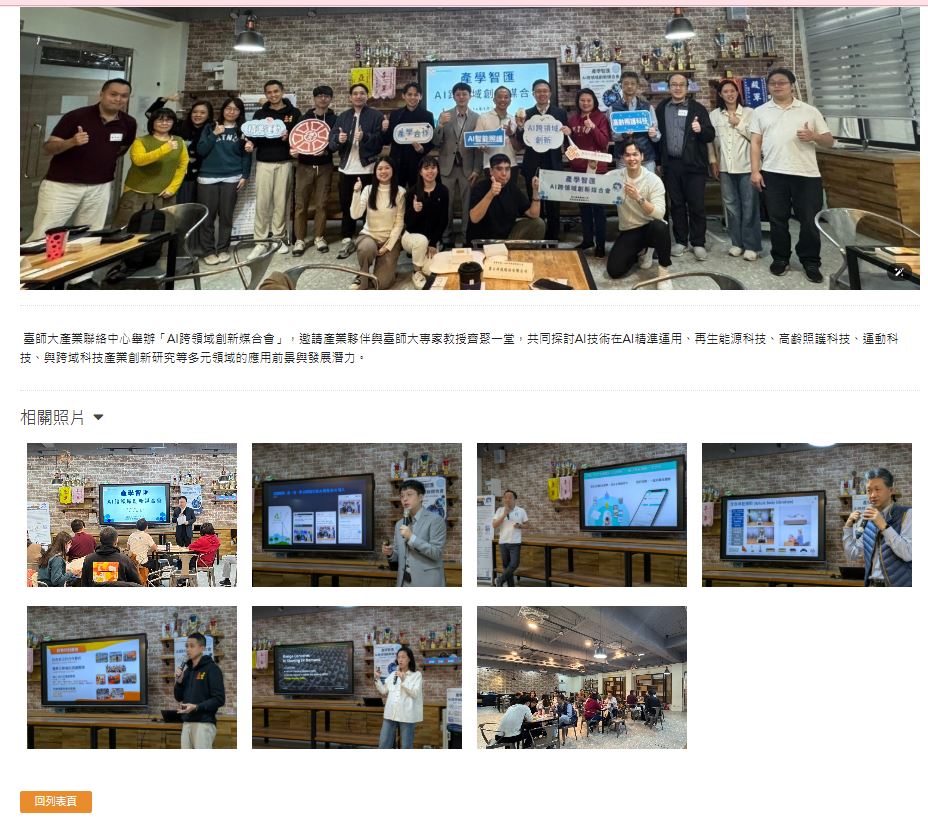
3.Through the NTNU Industry Liaison Center, the “AI Cross-Disciplinary Innovation Matchmaking Conference” actively promotes industry-academia collaboration both within and outside the university, driving the innovative application of low-carbon and sustainable technologies. The event focuses on the precise application of AI, renewable energy technologies, and cross-disciplinary industrial innovation research, bringing together experts, scholars, and industry partners to discuss the application prospects of AI in improving energy efficiency and reducing carbon emissions. Through technology sharing and business transformation exchanges, the event assists enterprises in adopting smart and low-carbon solutions, showcasing the university’s key role in promoting the practical application of AI technology and low-carbon energy innovation, and fostering sustainable industrial development and technological upgrades.
The NTNU Industry-Academia Alliance Open Website – “AI Cross-Domain Innovation Matchmaking Conference” invites industry professionals to discuss AI technology, renewable energy technology, and cross-domain technology industry innovation research.
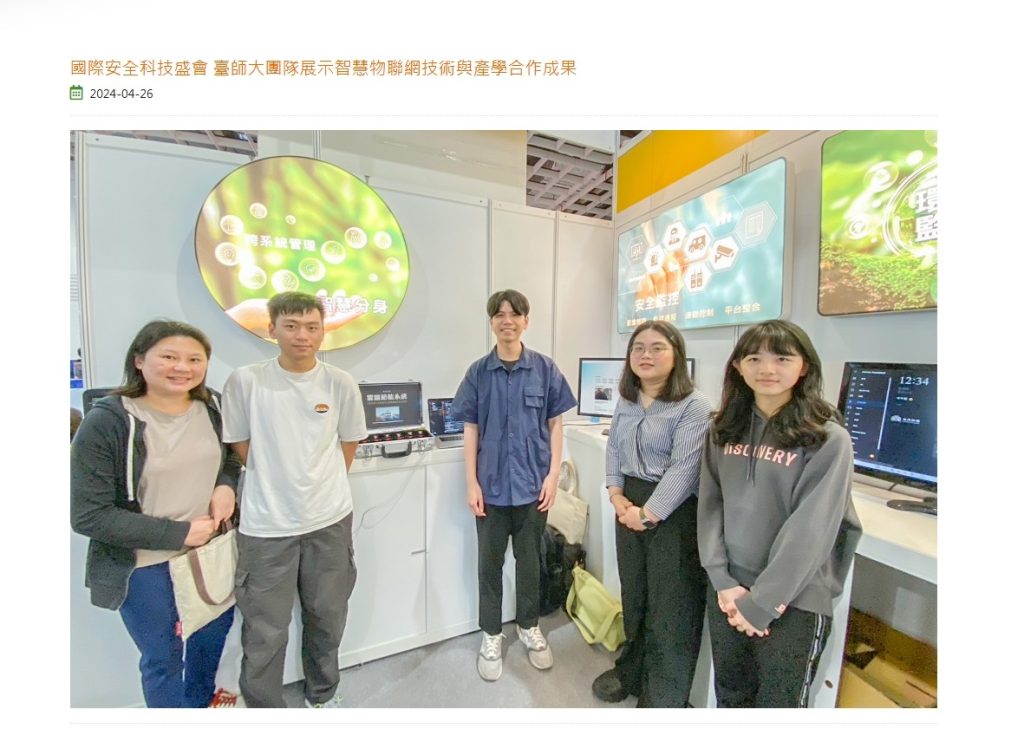
4.Professor Yun-Cheng Tsai’s team from the Department of Technology Applications and Human Resource Development at NTNU participated in the “Secutech 2024 25th Taipei International Safety Technology Application Expo.” The expo’s theme was “Intelligent Safety Automation, Smart Operations Management.” They showcased their industry-academia collaboration with “Science City Corporation,” demonstrating the application of AI and IoT (AIoT) integration technologies in real-time home care and energy conservation and carbon reduction in residential buildings. In the future, they will continue to use these innovative low-carbon technologies to help more companies with their digital transformation, strengthen corporate resilience, and move towards sustainable development for society as a whole.
A team from the Department of Technology Application and Human Resource Development at National Taiwan Normal University has applied integrated AI and IoT (AIoT) technologies to real-time home care and energy conservation and carbon reduction in residential buildings.