NTNU campus restaurants employ different methods for food waste recycling. At the Heping campus, restaurant vendors collect food waste during meal times and then measure and transport it to a contracted waste management company. At the Gongguan and Linkou campuses, food waste is drained and collected by the New Taipei City Environmental Protection Bureau recycling trucks. The Health Center is responsible for monitoring food waste volumes, with annual updates for the main campus based on measurements by the contracted waste collector. The total food waste in 2024 was 36.6 metric tons.
2.3.1 Student food insecurity and hunger
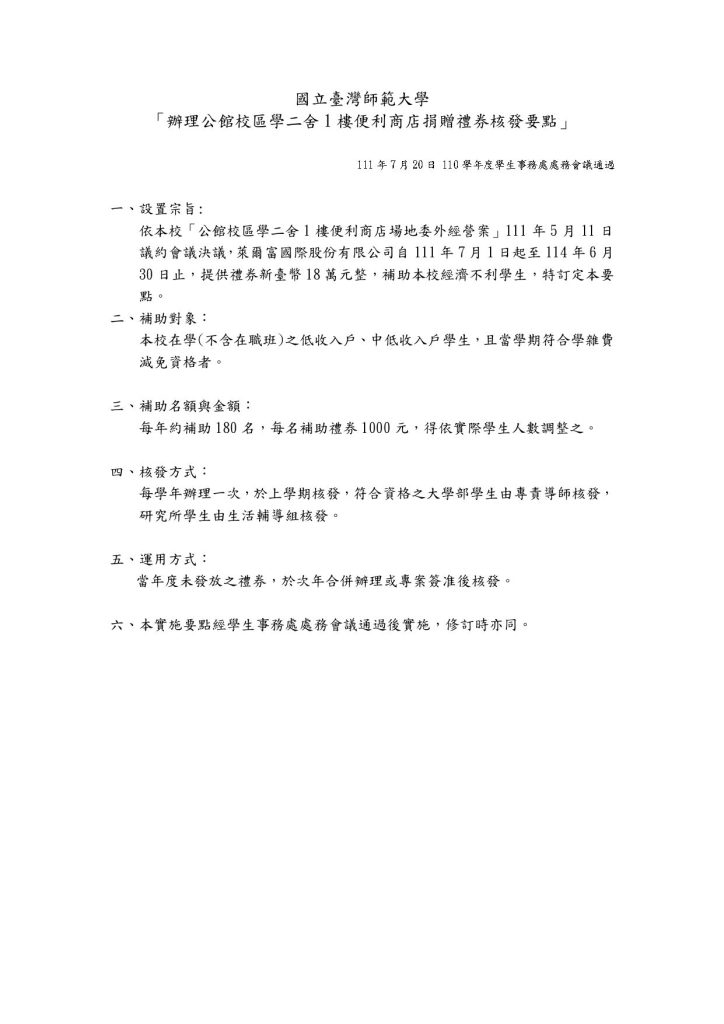
NTNU has implemented a programme to address student food insecurity and hunger. Through the “Guidelines for Issuing Donated Gift Vouchers at the Gongguan Campus Dormitory Store”, the Hi-Life convenience store at NTNU’s Gongguan Campus has donated a total of NTD 180,000 in food vouchers from July 1, 2022, to June 30, 2025. Each year, approximately 180 economically disadvantaged students receive NTD 1,000 vouchers that can be used to purchase food and daily necessities, helping to alleviate food insecurity and hunger among students.
2.3.2 Students hunger interventions
NTNU Health Center actively promotes student nutrition and wellbeing to prevent hunger and malnutrition risks caused by financial stress, poor dietary habits, or health conditions. Individual nutrition counseling and dietary guidance are offered to help students develop balanced eating habits and self-management skills. Regular inspections of campus food services and hygiene audits ensure the safety and quality of meals provided on campus. To enhance nutrition awareness, the Health Center organizes health promotion campaigns and educational workshops on healthy body weight, dietary education, and disease prevention, supported by online dietary tracking tools that assist students in monitoring nutrient intake and weight management. NTNU also collaborates with medical institutions to provide discounted medical consultations and health check-ups, ensuring accessible healthcare and nutrition support.
Health Center Services
1.Healthcare Business Freshman health check-up and review, defect correction, case management and referral information, emergency injury treatment, infectious disease prevention and control, special disease case management, AED management, related medical equipment borrowing, sports special class application, lactation room management, blood donation activities.
2.Dietary hygiene business: Dietary hygiene management, personal nutrition counseling, nutrition education advocacy, water quality inspection of water dispensers.
3.Health Promotion Business Cooperate with the Ministry of Education’s “Tertiary Schools and Colleges to Promote Health Promotion School Project” to organize health promotion and health education activities, such as: AIDS prevention and control, healthy position, tobacco hazard control, first aid training courses and various disease prevention publicity activities, and provide school health practice sites and internship guidance.
4.Occupational safety and health business Handle the school’s labor occupational safety and health related business, such as on-site health service business, physical examination of new employees, health management of general health examination and special health examination of labor, health education of labor, health promotion and implementation of health guidance.
Objectives of the health center development structure
Vision
1. Create a healthy campus to practice a healthy living circle of mutual assistance and mutual benefit. 2. Maintain the health of faculty, students and staff to improve the quality of life.
Target
1. Enhance the concept of disease prevention among faculty, students and staff. 2. Enhance the self-health management ability of faculty, students and staff. 3. Cultivate healthy lifestyle habits among faculty, students and staff.
Tactics
Optimize medical outpatient services.
Strengthen the prevention and control of infectious diseases.
Implement case management programs.
Upgrade nutrition consultation services.
Maintain food supply safety.
Promote health-promoting school programs.
Develop digital health education.
Organize Healthy Seed Volunteers.
Implementation plan
Sign a medical cooperation agreement, and medical institutions will provide faculty, students and staff with registration fees and multi-disciplinary diagnosis, treatment and health care services.
Formulate a campus infectious disease prevention plan to clearly define the responsibilities of each unit within the school and implement various health education campaigns.
Develop case management mechanisms to enhance students’ self-health care skills and self-health management abilities.
Provide individual health consultation services and use online diet records for real-time analysis to improve weight management results.
Implement dietary hygiene inspections, regularly supervise catering departments, and improve the healthy dietary environment on campus.
Organize multiple health promotion activities, plan health promotion activities based on the needs of faculty, students and staff in campus, and evaluate the effectiveness of various activities and services provided as a basis for adjusting health services.
Promote various online social media channels and use digital media to innovate health education teaching materials.
Establish a recruitment method and training system for creating the volunteer team, express the needs of students in the school through volunteers, and participate in the planning and implementation of various activities.
Furthermore, NTNU has implemented a programme to address students hunger interventions. Through the “Guidelines for Issuing Donated Gift Vouchers at the Gongguan Campus Dormitory Store”, the Hi-Life convenience store at NTNU’s Gongguan Campus has donated a total of NTD 180,000 in food vouchers from July 1, 2022, to June 30, 2025. Each year, approximately 180 economically disadvantaged students receive NTD 1,000 vouchers that can be used to purchase food and daily necessities, helping to alleviate food insecurity and hunger among students.
Guidelines for Issuing Donated Gift Vouchers at the Gongguan Campus Dormitory Store that subsidizing economically disadvantaged students.
2.3.3 Sustainable food choices on campus
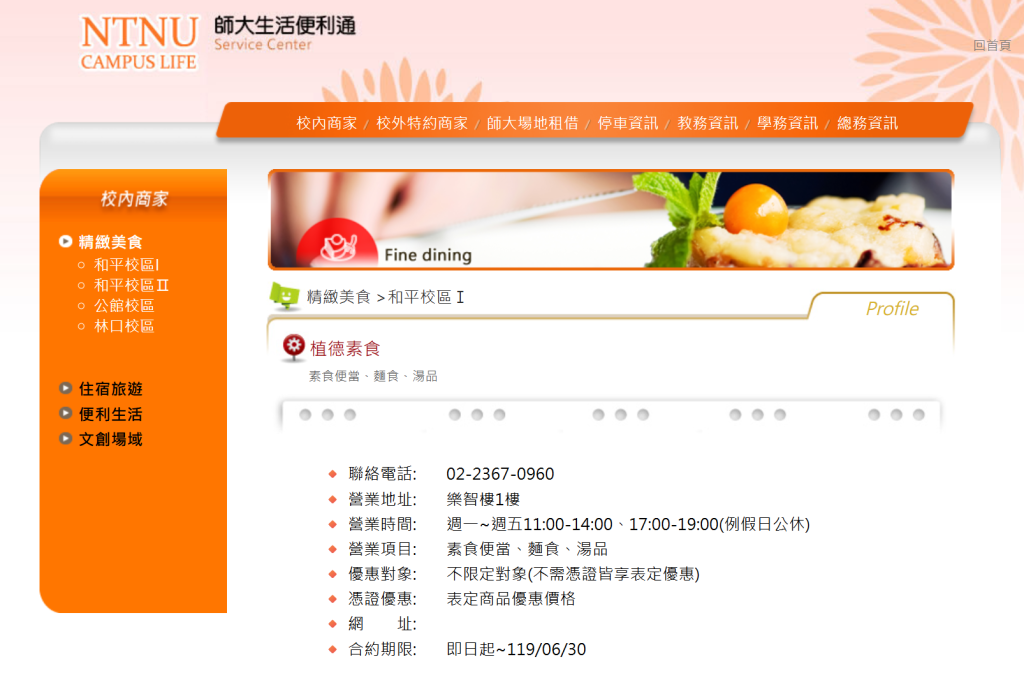
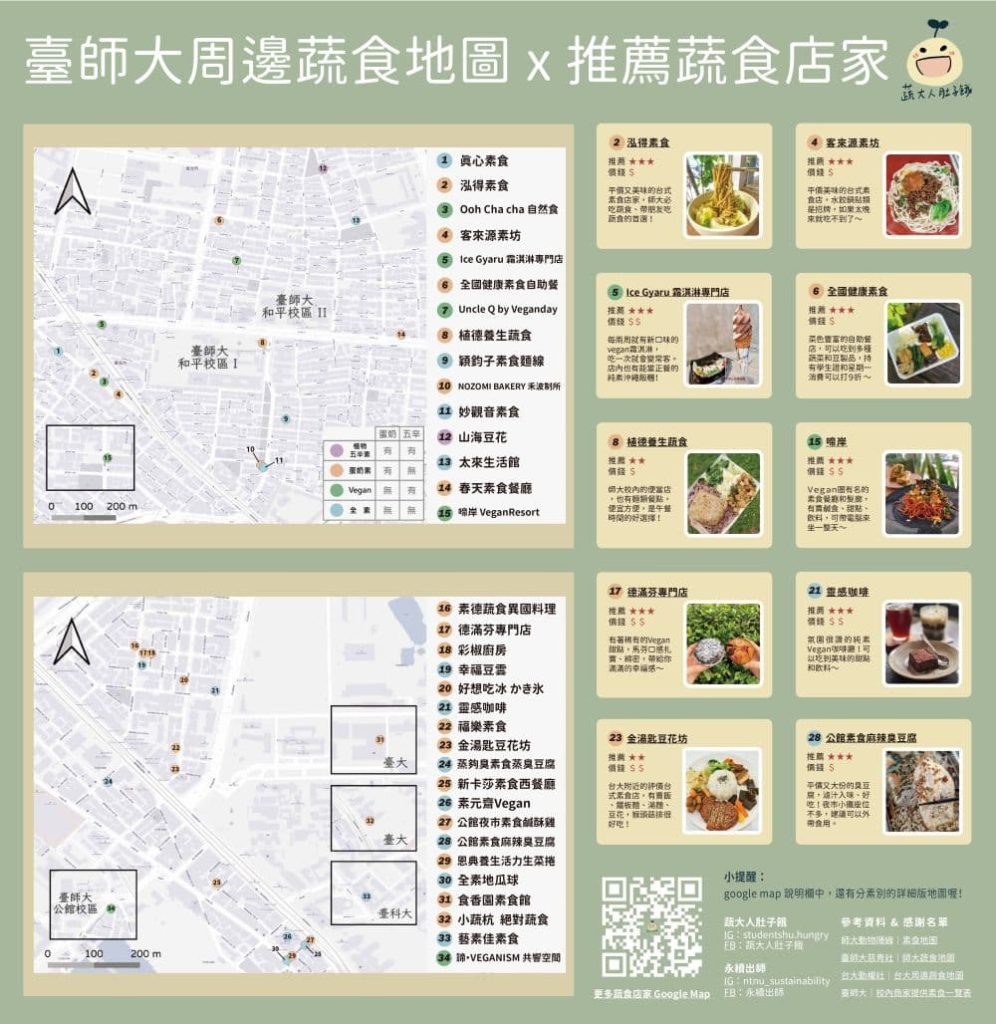
NTNU provides sustainable food choices on campus, including vegetarian and vegan options. NTNUy operates an on-campus vegetarian restaurant, “Zhide Vegetarian”, offering a variety of plant-based meals. NTNU also integrates environmental sustainability, animal welfare, and healthy eating principles into its regular training programmes for campus dining staff, encouraging all campus restaurants to provide simple vegetarian options for faculty, staff, and students. In addition, NTNU has created a map of nearby vegetarian restaurants to promote convenient and sustainable eating habits within the campus community.
Zhide Vegetarian – Vegetarian restaurant in NTNU.
A map of vegetarian restaurants around National Taiwan Normal University, recommending high-quality vegetarian eateries.
2.3.4 Healthy and affordable food choices
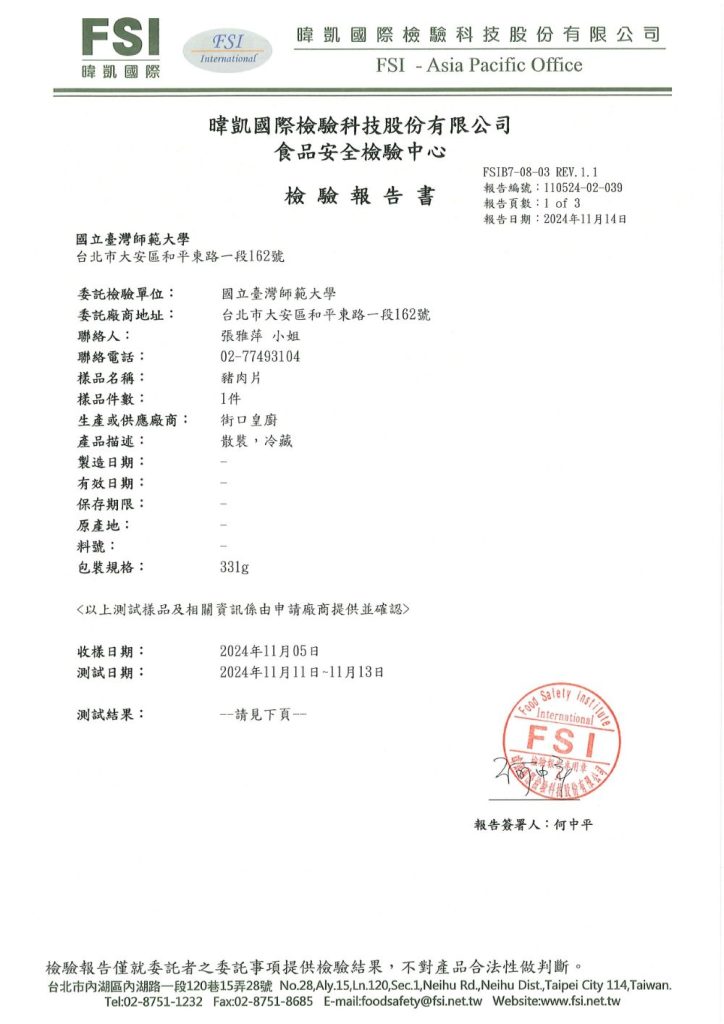
NTNU provides healthy and affordable food choices for all on campus. NTNU ensures food safety and quality through the implementation of the Five Rings of Food Safety quality inspection system, which includes random testing of restaurant ingredients and hygiene indicators such as ice samples. In 2024, the total inspection expenditure reached NTD 1,723,385, ensuring high food safety standards. NTNU also follows the Ministry of Education’s Catering Hygiene Management Guidelines, carefully supervising on-campus food suppliers to select ingredients that meet national hygiene and nutrition standards. In addition, on-campus and nearby restaurants offer discounts for NTNU faculty, staff, and students, making healthy meals more accessible and affordable.
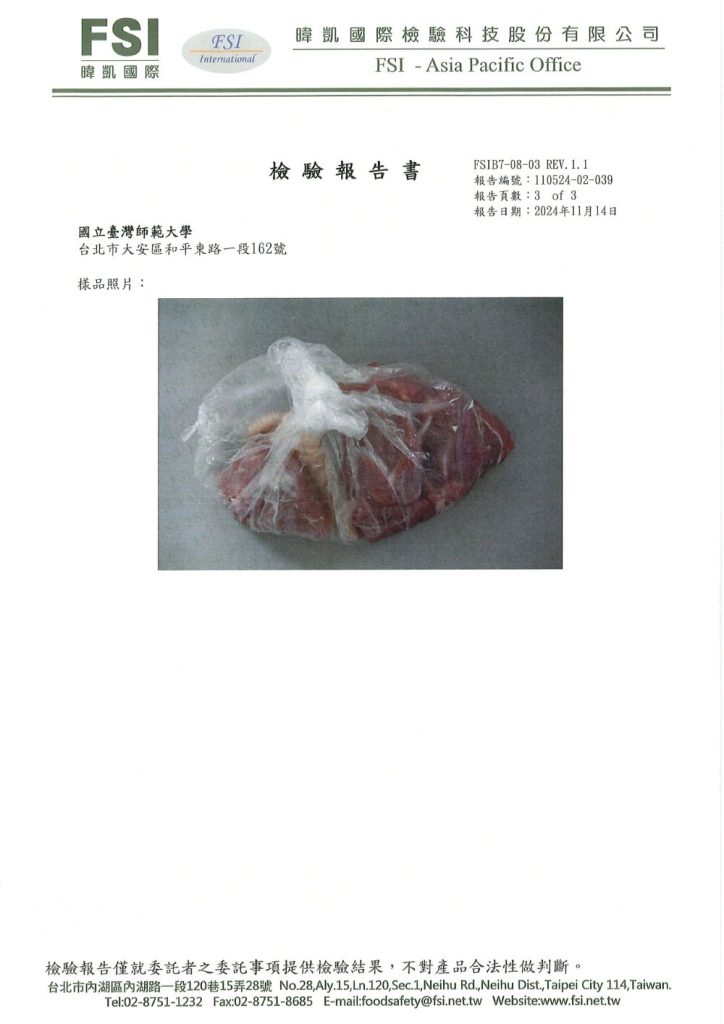
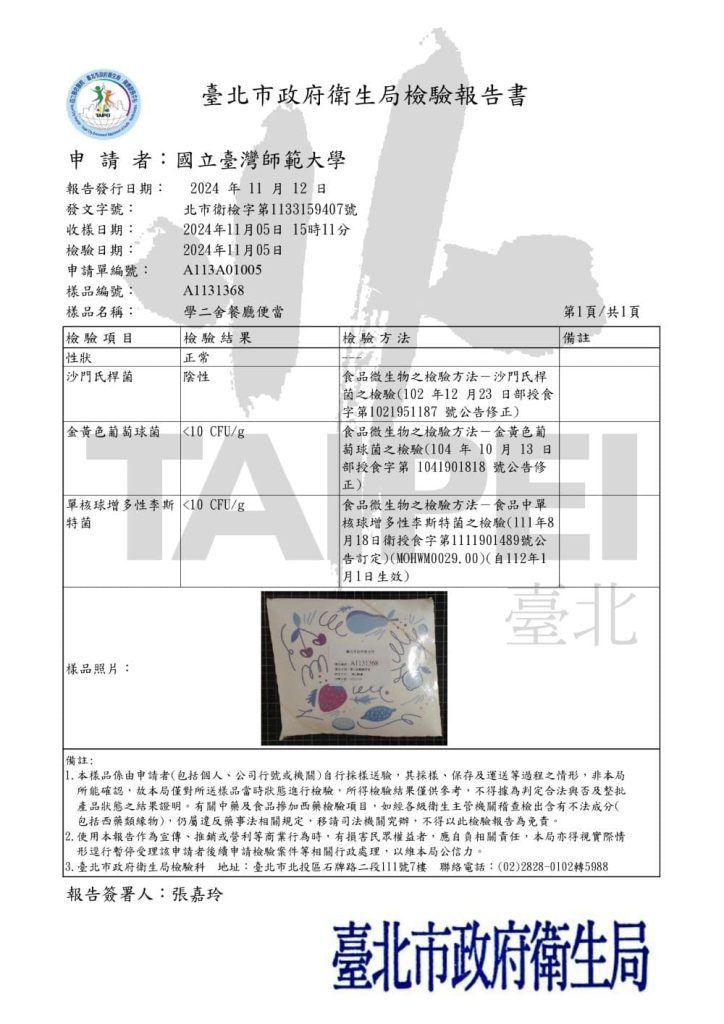
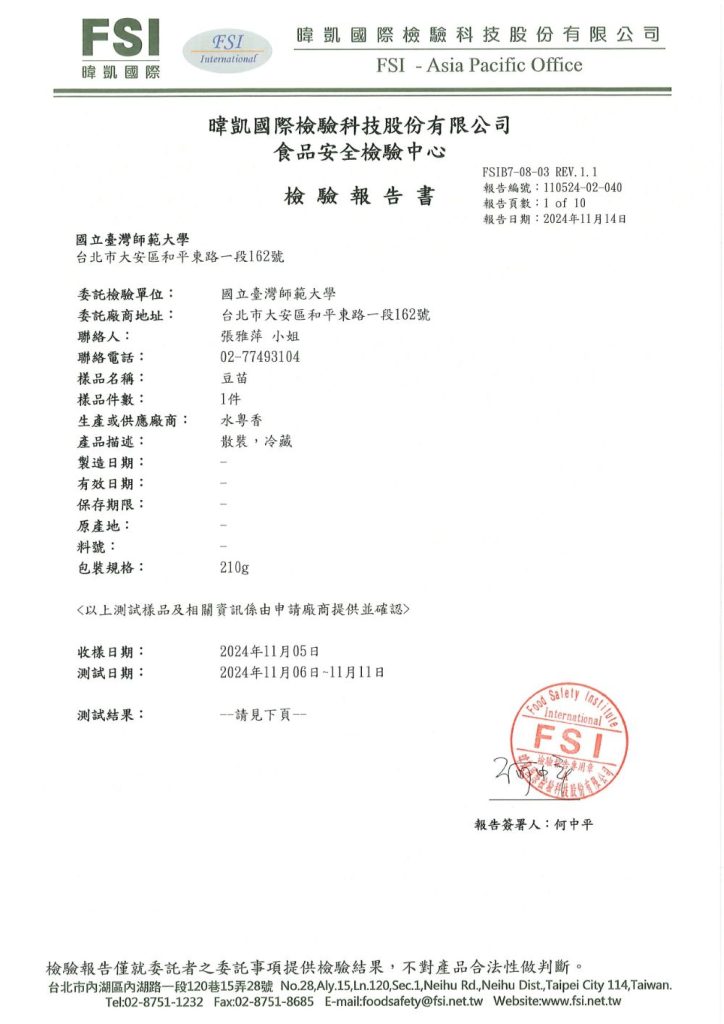
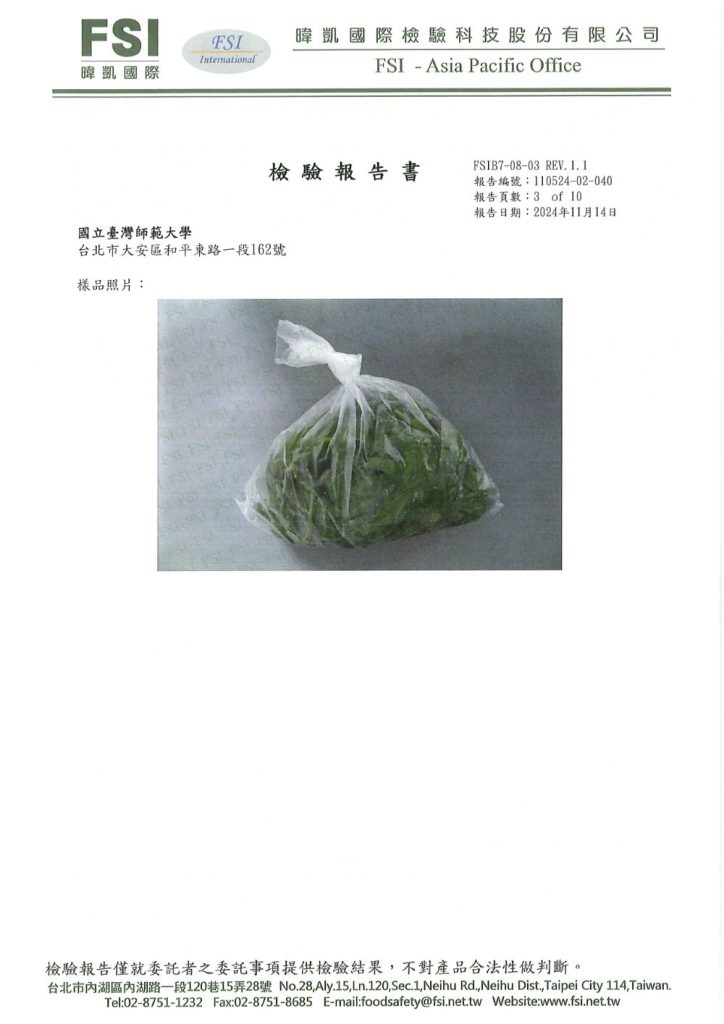
2024 Five Rings of Food Safety inspection results at the Heping Campus
Pork slices tested for Beta-agonist: No related Beta-adrenergic receptor agonists were detected.
The microbiological examination of the restaurant lunchbox showed negative results for Salmonella spp., Staphylococcus aureus, and Listeria monocytogenes.
The pesticide residue test showed no detectable pesticide residues.
2.3.5 Staff hunger interventions
NTNU actively supports staff nutrition and wellbeing to prevent hunger and malnutrition risks arising from financial stress, health issues, or mental strain. In accordance with the National Taiwan Normal University Employee Assistance Program Implementation Plan, NTNU provides regular health check-ups include nutrition assessments, and partnerships with medical institutions to offer discounted consultations and dietary guidance. Staff can also receive psychological counseling and stress management to maintain stable eating and living conditions. In addition, health seminars, wellness education, and workplace exercise programs promote balanced nutrition and healthy lifestyles, ensuring food security and holistic wellbeing for all staff members.
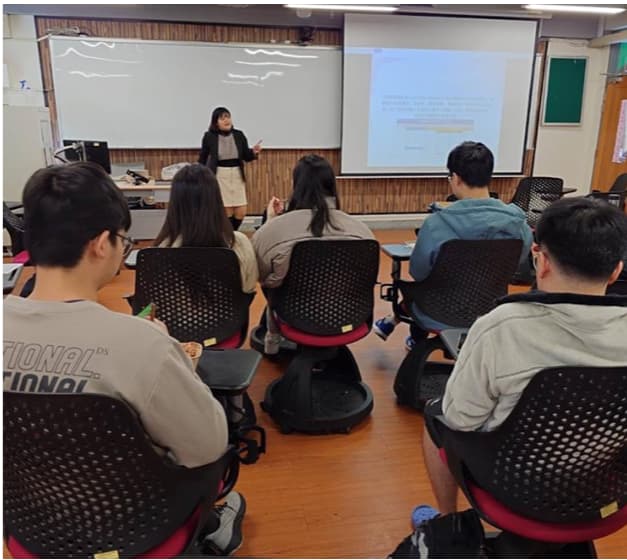
NTNU nutritionist introduced sustainable local diets to kitchen staff and food hygiene personnel at university and kindergartens in New Taipei City, and accessed knowledge about food security.
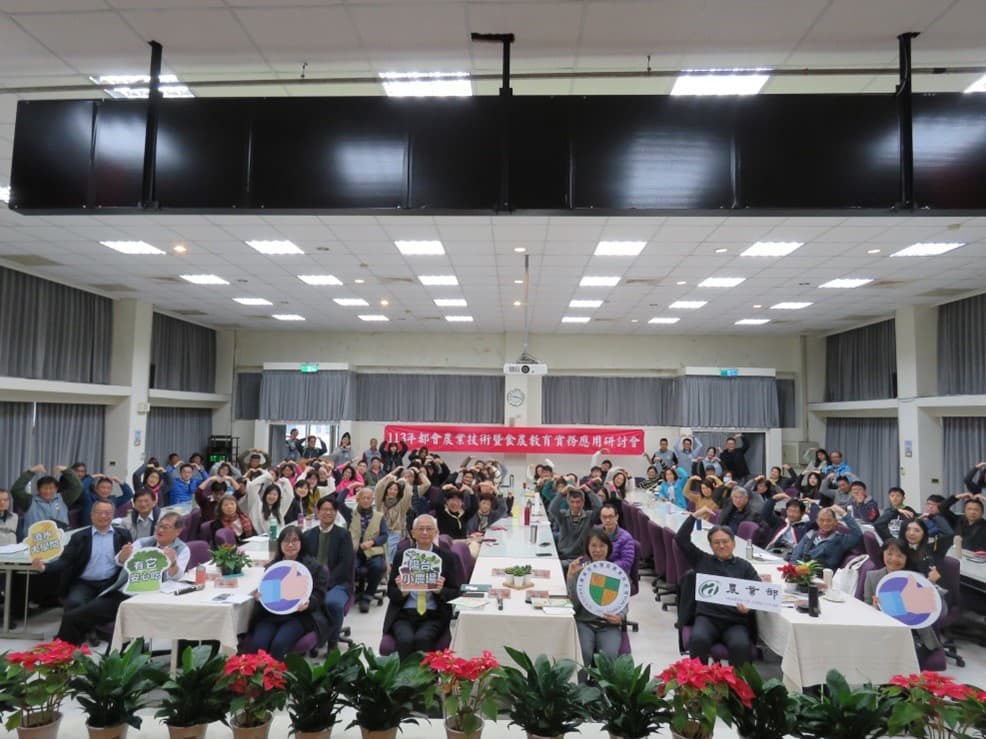
The symposium showcased national policies and innovative practices in urban agriculture and food education, featuring:
Policy development for urban agriculture in educational and community settings.
Demonstrations of urban agriculture application platforms and innovative agricultural technologies.
Case sharing of food and agricultural education in primary and secondary schools.
Application of smart plant care systems in the National Taiwan Science Education Center.
Young farmers’ presentations on integrating smart farming and food education.
Participants included representatives from NTNU, the Department of Farmers’ Services of the Ministry of Agriculture, Taipei City Department of Education, Taoyuan City Agriculture Bureau, the National Taiwan Science Education Center, and young farmers, attracting over 100 experts from academia, government, and agricultural sectors.
In her presentation, Professor Lin emphasized that sustainable development and Creating Shared Value (CSV) are guiding principles for modern food and agricultural education. By combining technology, ecology, and culture, NTNU promotes food security knowledge dissemination and sustainable agricultural literacy, fostering a model for green city development and community resilience.
2024 Symposium on Urban Agriculture Technology and Practical Applications of Food and Agricultural Education attracted over 100 experts from academia, government agencies, and practitioners to gain a deep understanding of the achievements in promoting and implementing food and agriculture and urban agriculture.
2.5.2 Provide events for local farmers and food producers to connect and transfer knowledge
NTNU organizes events to connect local farmers and food producers and promote knowledge exchange on sustainability. NTNU student club “Sustainability Ambassadors” hosted a two-day “Warm Sun Sustainability Market” on campus, featuring local small farmers and vendors offering sustainable, plant-based, and gluten-free foods. The event aimed to raise awareness among students and the public about sustainable food practices, encourage support for environmentally friendly products, and create opportunities for local farmers to network and share knowledge on sustainable production.
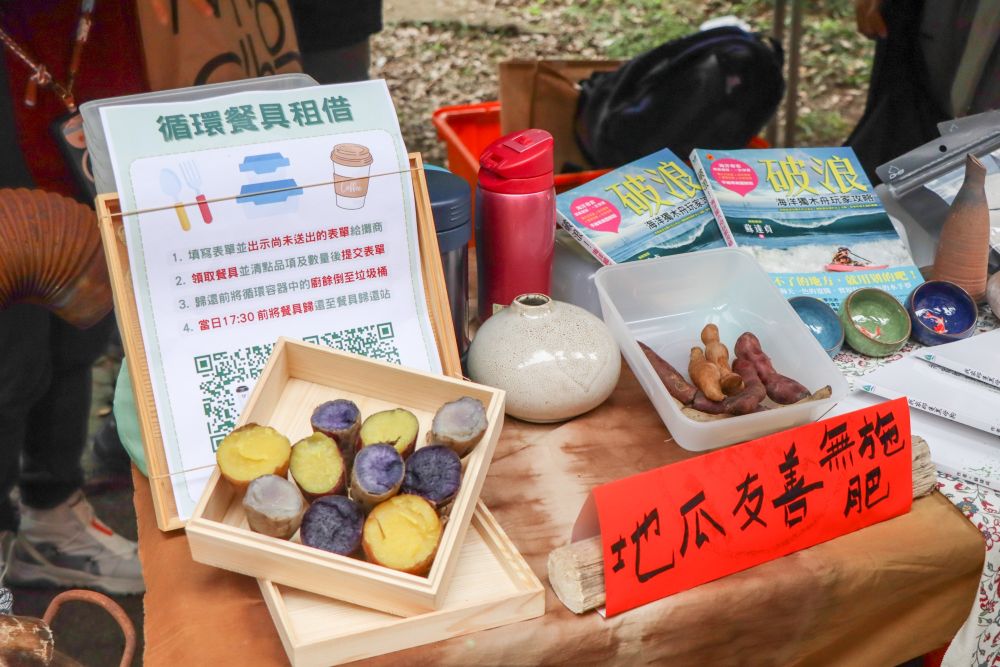
2024 Warm Sun Sustainability Market brought together over 70 local vendors and producers committed to sustainable practices. The event served as a platform for local farmers, food producers, and social enterprises to exchange experiences, promote sustainable lifestyles, and showcase eco-friendly products. All participating food vendors adopted a zero-packaging policy, encouraging visitors to bring reusable tableware or rent containers on-site to reduce waste. The market also featured sustainable lifestyle stalls, including creative goods, clothing and accessories, eco-friendly daily items, and local art and books.
Local agricultural producers such as Changhui Beekeeping Farm (offering homemade honey products) and Revery Sweet Potato Workshop (selling farm-grown sweet potatoes) represented NTNU’s close collaboration with local farmers and small-scale food producers. In addition, the Warm Sun Sustainability Festival team invited various social organizations—covering topics such as animal protection, plastic reduction, and gender equality—to conduct interactive exhibitions and games that integrated sustainability education with community engagement.
NTNU Warm Sun Sustainability Market provided a knowledge-sharing and networking platform for local farmers and sustainable food producers, fostering awareness of food sustainability, environmental protection, and inclusive community values.
2.5.3 University access to local farmers and food producers
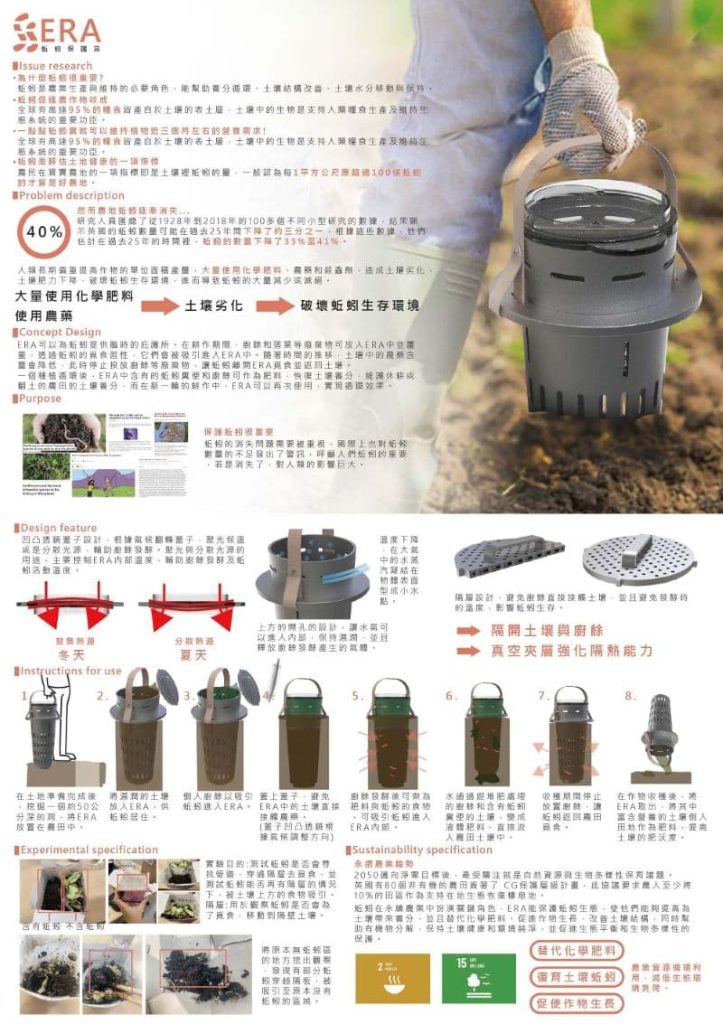
NTNU provides access to its facilities, design expertise, and technology resources to support local farmers and promote sustainable farming practices. Through innovation and applied technology, NTNU actively advances sustainable agriculture and improved food systems. For example, students from the Department of Design developed the “Worm Home” project, a temporary shelter for earthworms that uses kitchen waste and leaves to enhance soil ecology and reduce agricultural pollution. This design won an honorable mention in the Ministry of Education’s Creative Practice Competition on Climate Change and a special award from the Ministry of Agriculture, which recognizes its sustainable agricultural design concept and application.
ERA (Earthworm Refuge Area) technology can support sustainable farming and provide access to local farmers and food producers. The ERA serves as a temporary shelter for earthworms, where food waste and fallen leaves are added to attract them for organic decomposition, naturally enriching the soil and reducing chemical pesticide use.
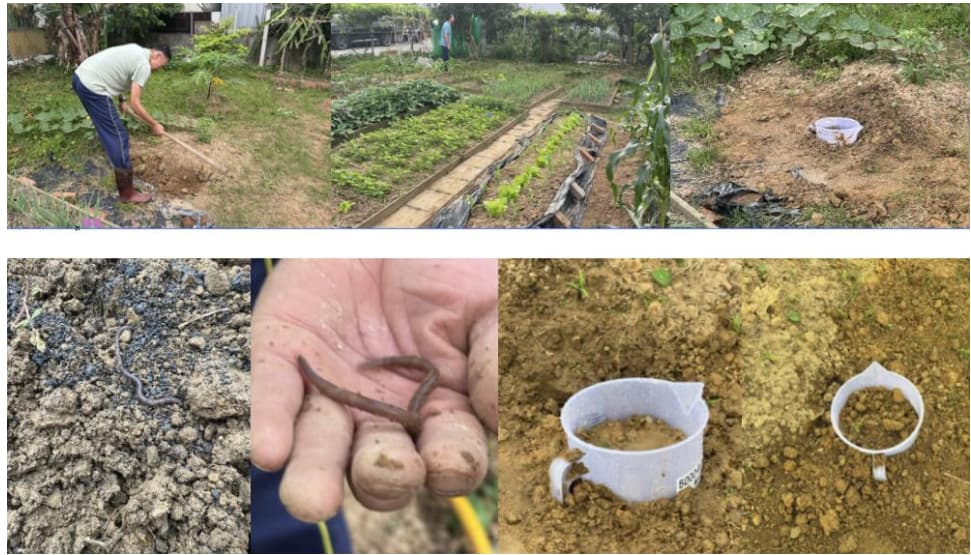
The ERA system has been tested directly in local farmers’ fields, demonstrating that earthworms were successfully attracted and that, after a period of use, the soil showed reduced pesticide residues and improved quality.
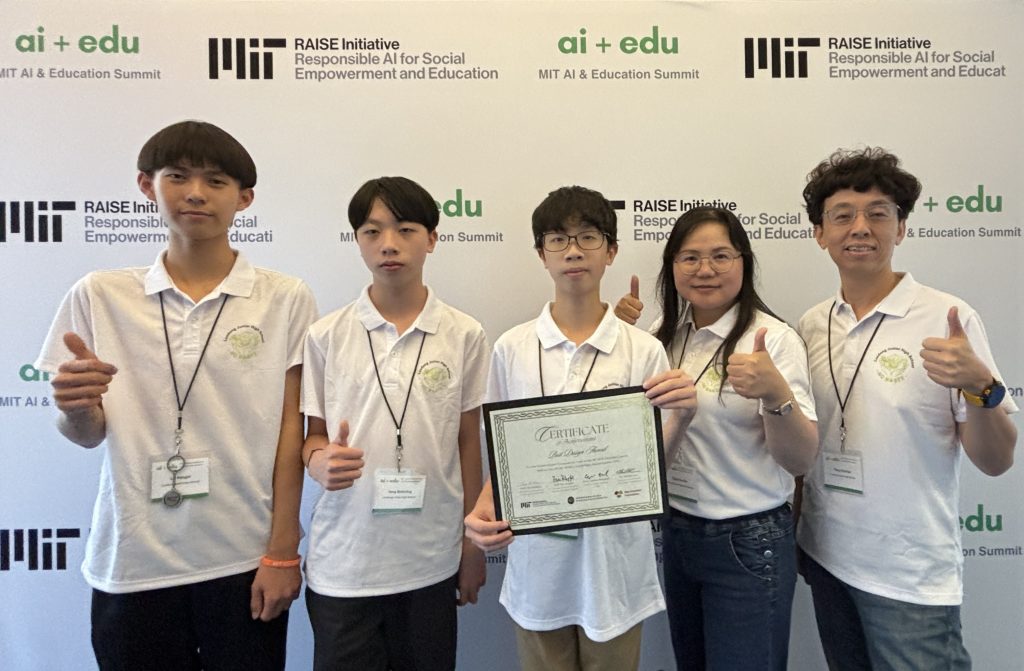
In addition, Professor Ting-Chia Hsu from the Department of Technology Application and Human Resource Development led a student team to create the “No Waste App,” a mobile application that helps reduce food waste, minimize carbon emissions, and connect local farmers with consumers. The app won the Best Design Award at the MIT AI & Education Summit, demonstrating the integration of sustainable agriculture and digital innovation.
Professor Ting-Chia Hsu led a student team to create the “No Waste App,” that can reduce food waste, minimize carbon emissions. The app won the Best Design Award at the MIT AI & Education Summit.
2.5.4 Prioritise purchase of products from local, sustainable sources
NTNU has fully implemented a comprehensive food ingredient registration system across all campus dining facilities. Over 95% of food ingredients are traceable, ensuring transparency and food safety. In compliance with the university’s local procurement policy, more than 80% of all supplied ingredients are sourced within Taiwan.
The supplier contract under “Nutrition and Dietary Hygiene Management” explicitly requires that priority be given to agricultural products certified under the traceability systems promoted by the Ministry of Agriculture, such as Taiwan Organic Agricultural Product Label, Traceable Agricultural Product (TAP) Label, Taiwan Premium Agricultural Product Label, or items with agricultural (livestock/aquatic) traceability codes.
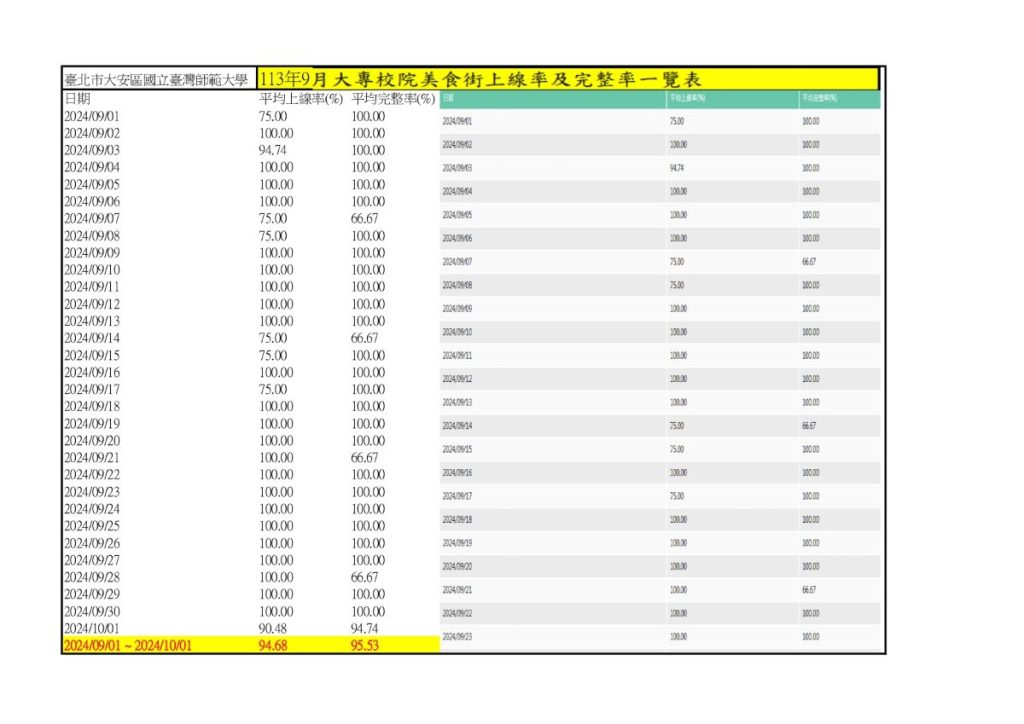
According to the most recent monitoring data (September–October 2024), the average registration rate reached 94.68% and data completeness rate 95.53%, demonstrating NTNU’s ongoing improvement in the implementation of its traceable and local food sourcing practices, ensuring a reliable, sustainable, and locally based campus food supply chain.
NTNU Food Ingredients Registration Online Rate and Completeness
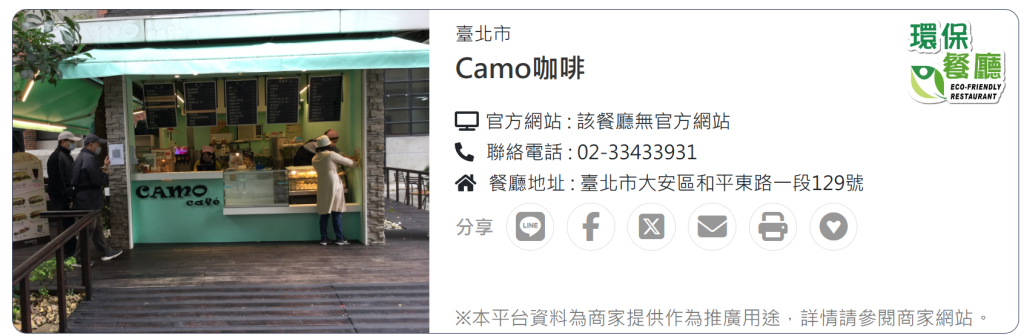
Camo Café, which located on the NTNU campus, received Green Restaurant certification in 2022, signifying its commitment to low-carbon and sustainable practices in ingredient selection, operations, and environmental design. Beginning in 2023, the Green Restaurants was transformed into an Eco-Friendly Restaurants, promoting green procurement, waste reduction at the source, and food conservation.
Camo Café, located on Heping Campus, as a Eco-Friendly Restaurants, using sustainable and local ingredients.