-762x1024.jpg)

-1024x768.jpg)


All of NTNU’s building renovations were carried out in accordance with the Ministry of the Interior’s “Guidelines for the Application, Review, Approval and Use of Green Building Labels” issued in 2012, which was amended in 2023 to “Guidelines for the Application, Review, Approval and Use of Green Building Labels and Building Energy Efficiency Labels,” and we obtained the green building label.
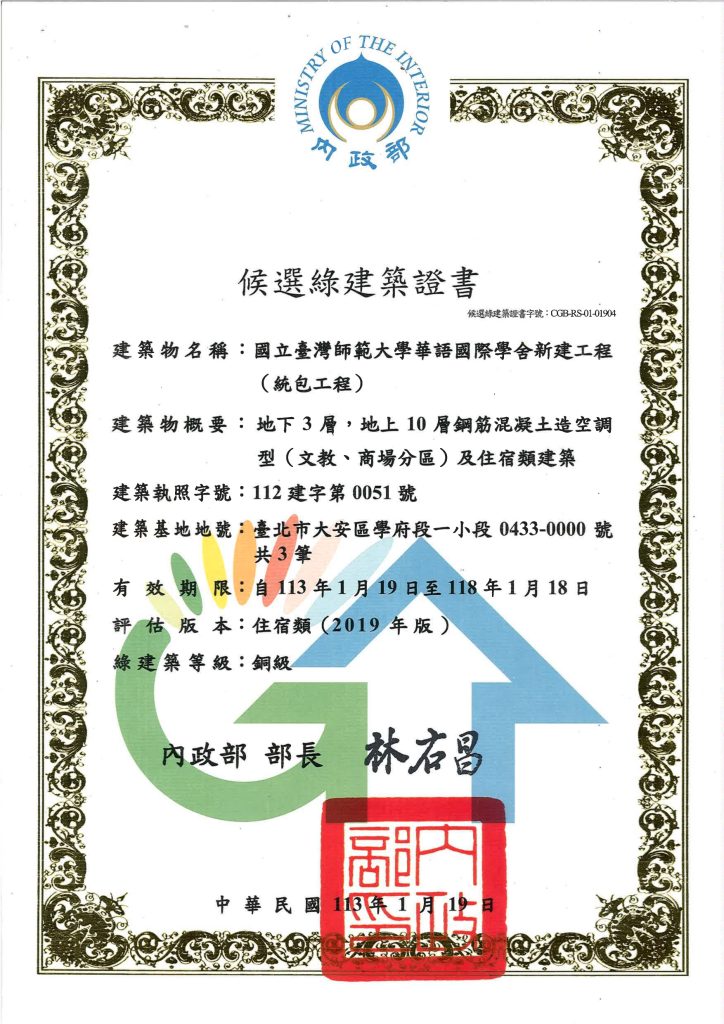
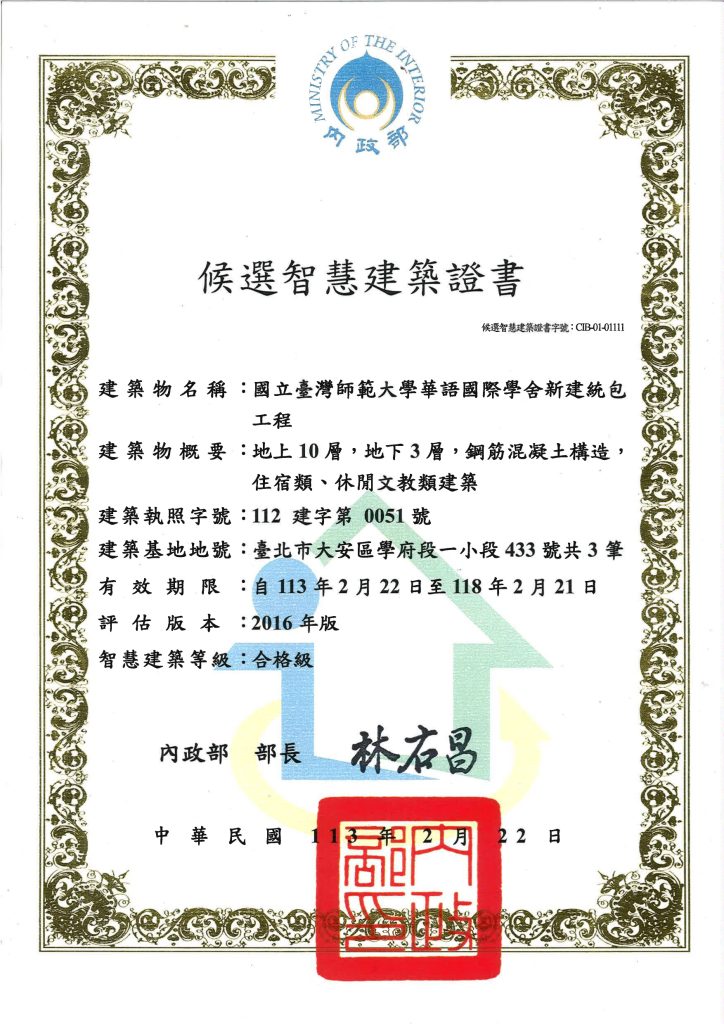
Groundbreaking ceremony for the Chinese Language International Dormitory on September 25, 2023 , with completion expected in 2027. It obtained the Green Building Certification on January 19, 2024 ( Certificate No.: CGB-RS-01-01904 ) and the Smart Building Certification on February 22, 2024 ( Certificate No.: CIB-01-01111 ) . The dormitory provides a gender-friendly environment with a stylish and minimalist design, incorporating teaching spaces, shops, and parking to create a conducive living and learning environment. In addition to serving international students, it is expected to open applications to local students in the future, addressing student accommodation needs, promoting cultural exchange, and fostering an international campus environment.
1. The following buildings on campus have been completed and possess green building certification:
(1) Multifunctional Activity Center (National Taiwan Normal University Art Museum) Bronze Level (1100119-1150118)
(2) Silver-grade student dormitory building (Student Dormitory 2) in Gongguan Campus (1110822-1160821)
(3) 26 Lane 77, Section 2, Roosevelt Road (Teacher Training Building), Qualified Level (1111118-1161117)
(4) Silver level of Cultural Life Hall (Industry-Academia Hall) (1051207-1101206)
(5) No. 28, Lane 60, Taishun Street – Qualified (1040119-1070118)
(6) Linkou Teaching Building – Qualified Level (1021018-1051017)
2. The following buildings on campus are under construction and have candidate green building and smart building certificates:
Chinese Language International School – Bronze Grade
The newly built Chinese Language International School received its Green Building Label Certificate on January 19, 2024.
The newly built Chinese Language International School Building obtained the Smart Building Certification on February 22, 2024.
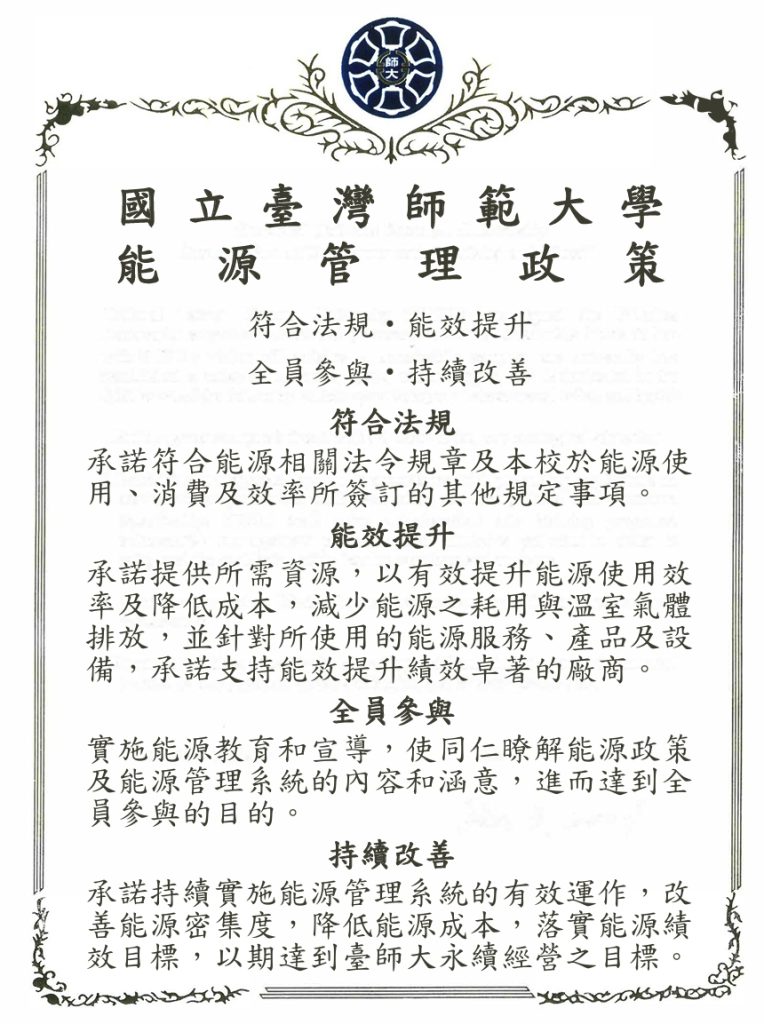
To improve the energy efficiency of existing school buildings, our school has established an energy policy that clearly states: “Energy efficiency improvement, commitment to provide the necessary resources to effectively improve energy use efficiency and reduce costs, reduce energy consumption and greenhouse gas emissions, and commitment to support manufacturers with outstanding energy efficiency performance for the energy services, products and equipment used.” In addition, we have established energy conservation targets, energy management courses and education, and track building carbon emissions. Under the Sustainable Development Committee, we have established a “Campus Energy Conservation Working Group” to formulate an annual energy conservation implementation plan, provide energy-saving equipment upgrades, and track and review the implementation results annually. Our school’s measures to improve building energy efficiency include:
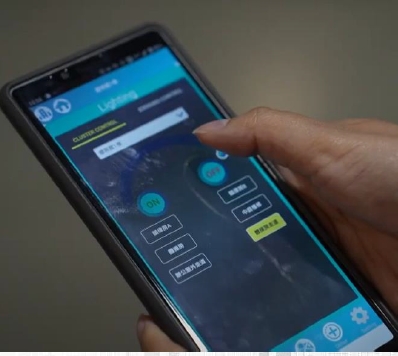
The main campus gymnasium spans from B1F to 5F, along with three outdoor courts and playgrounds. These spaces are both indoors and outdoors, with diverse usage types. Occasionally, some areas are rented but left unused, resulting in wasted lighting and air conditioning. A smart lighting system allows administrators to schedule and remotely control the lights from a management platform , preventing unnecessary waste and saving administrators time.
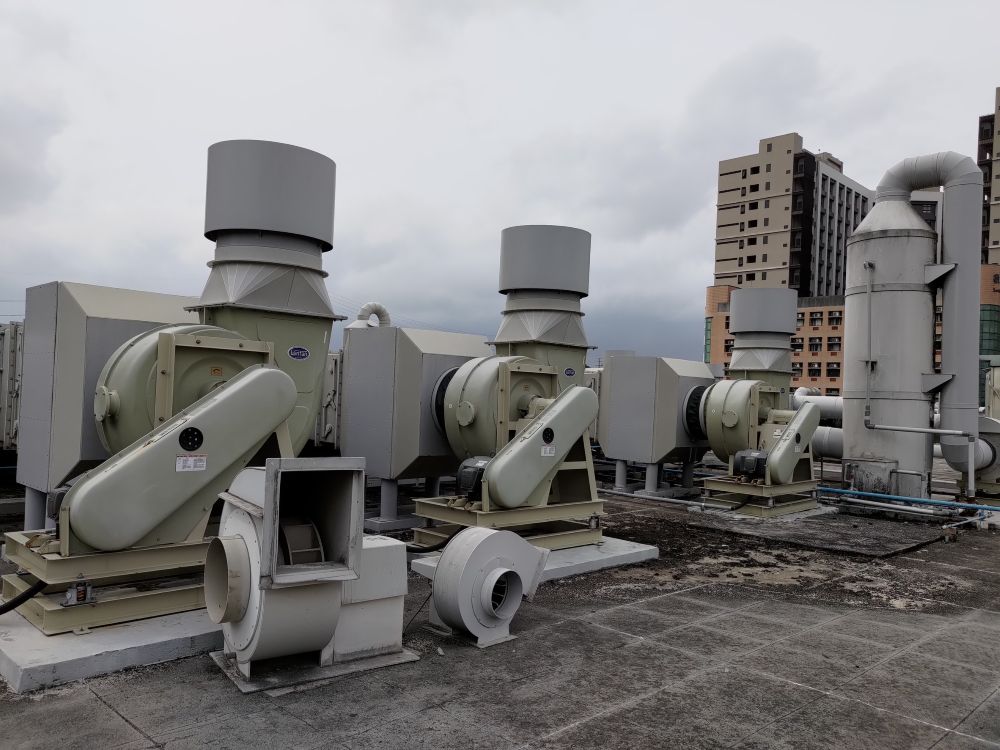
The old exhaust gas towers and laboratory fume hoods in the Science Building were originally driven by fixed -frequency motors and had been in use for over ten years. Most of the fume hoods were also no longer usable. Considering laboratory safety and energy efficiency, the university will gradually replace the rooftop exhaust gas towers and laboratory fume hoods from 2019 to 2024. The new system uses electric dampers that control the exhaust windows to be fully open or closed , reducing the overall airflow of the exhaust system, and uses differential pressure and frequency conversion to achieve energy efficiency.
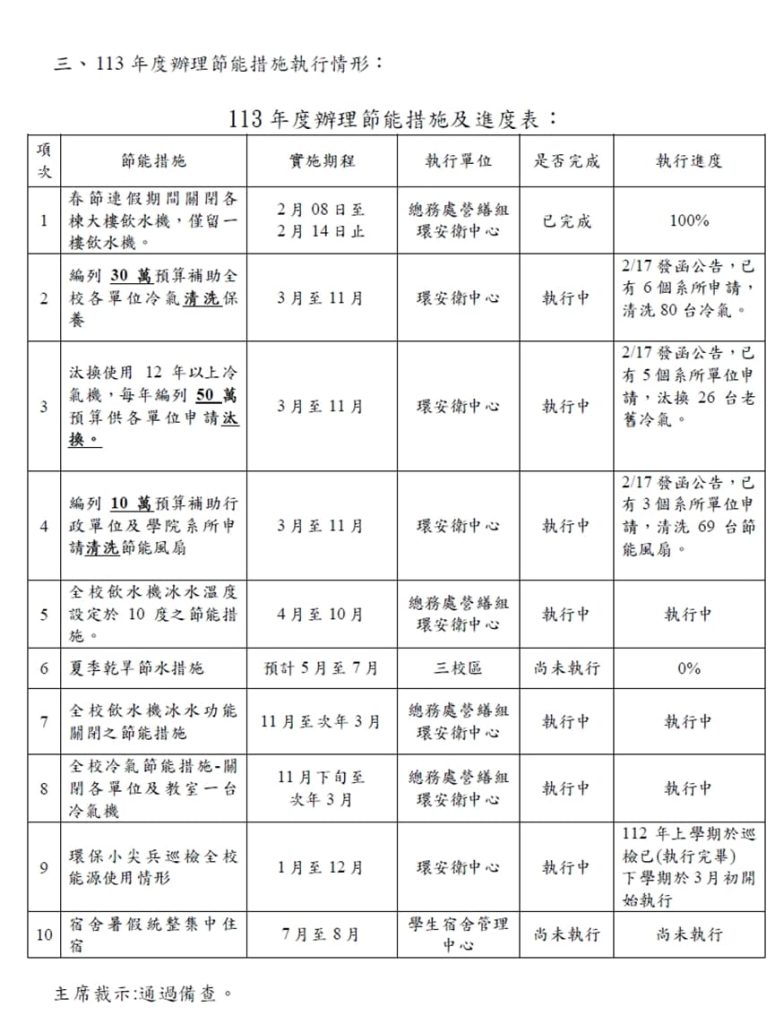
A “Campus Energy Conservation Working Group” was established. During meetings, an annual energy improvement plan was formulated, water and electricity consumption were tracked, and meeting minutes were kept. The energy conservation measures implemented by the school in 2024 include:
(1) The number of water dispensers in operation will be adjusted during the holiday period.
(2) Budget for air conditioner cleaning, air conditioner replacement , and energy-saving fan cleaning.
(3) Water-saving measures during summer drought
(4) Energy-saving measures for water dispenser temperature settings.
(5) Environmental Protection Little Vanguards Inspect the School’s Energy Usage
(6) Dormitories 6 will be centrally located for summer accommodation.
Currently, approximately 530 virtual machines are hosted on 27 physical servers across the campus. The university is committed to energy-efficient data center management, maintaining a PUE of 1.35 in 2024, demonstrating high-efficiency computing and energy-saving achievements. Over 1,500 wireless base stations have been deployed across the three campuses , and dedicated base stations have been installed in student dormitories. Approximately 300 switches have also been upgraded, comprehensively strengthening the campus’s digital learning and smart application infrastructure.
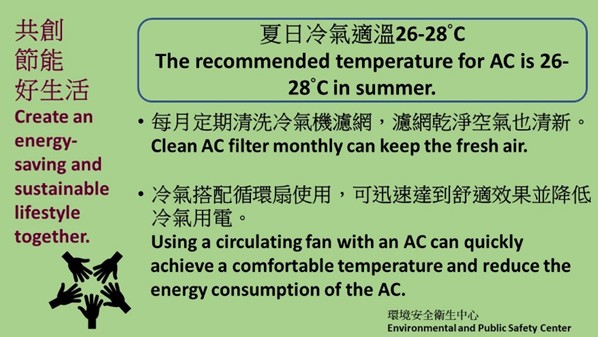
We produced various energy-saving cards and posted them in public areas and near power switches to remind everyone to save energy.
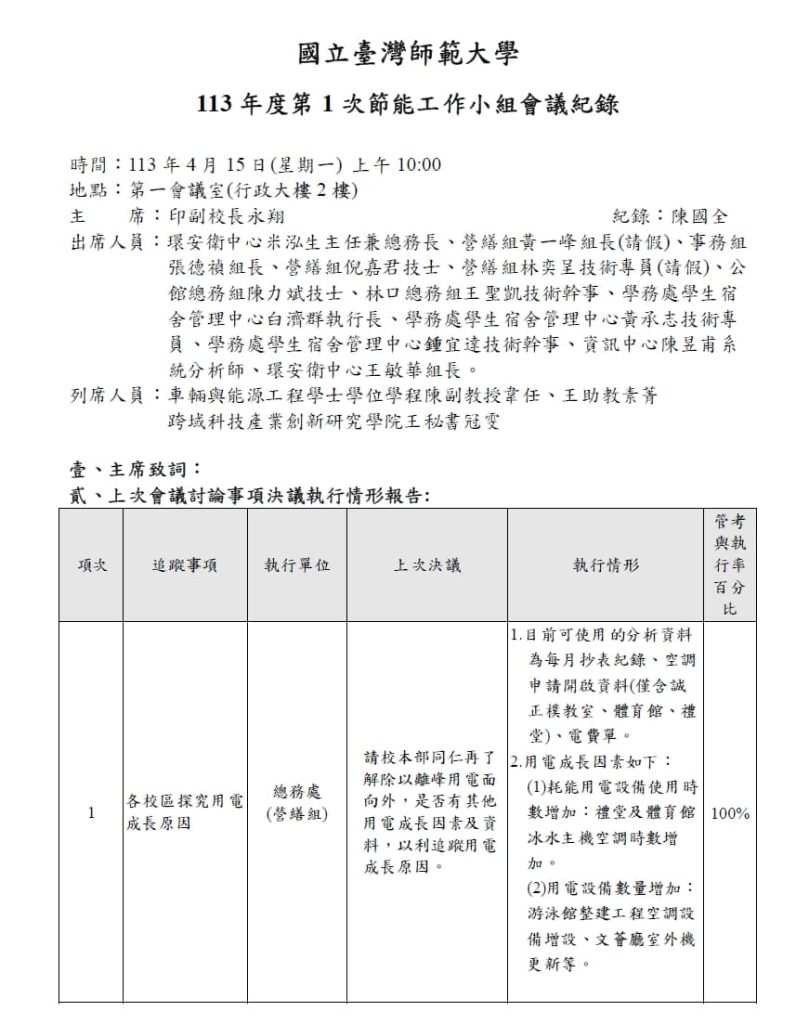
Minutes of the 1st Energy Conservation Working Group Meeting on April 15, 2024
The first energy conservation working group meeting held on April 15, 2024, to discuss the effectiveness of energy conservation and carbon reduction efforts.
The Energy Conservation Working Group discussed and finalized energy-saving measures for improving building energy efficiency at National Taiwan Normal University by 2024.
Tudeng Lighting Intelligent APP System
Replace exhaust gas extraction systems to improve building energy efficiency.
Image Enhancement: Building Energy Conservation Promotion Card
Based on NTNU’s”Energy Management Policy” the university actively reduces energy consumption and carbon emissions by focusing on regulatory compliance, improving energy efficiency, encouraging full participation, and pursuing continuous improvement. In 2019, the university established the Development Committee net-zero carbon emissions. This committee formulated NTNU’s Carbon Neutrality Declaration and developed concrete campus carbon reduction action plans, including renewable energy installations, green procurement, sustainable carbon management courses and research, training for net-zero sustainability management talent, and energy-saving management measures. In 2020, the “Sustainable Development Office” was created to conduct greenhouse gas inventories, promote carbon-reduced living on campus, strengthen on-campus energy management, and enhance off-campus sustainability collaborations. Additionally, a “Campus Energy Conservation Working Group” was established under the Sustainable Development Committee to develop an annual energy conservation plan and review its implementation outcomes.
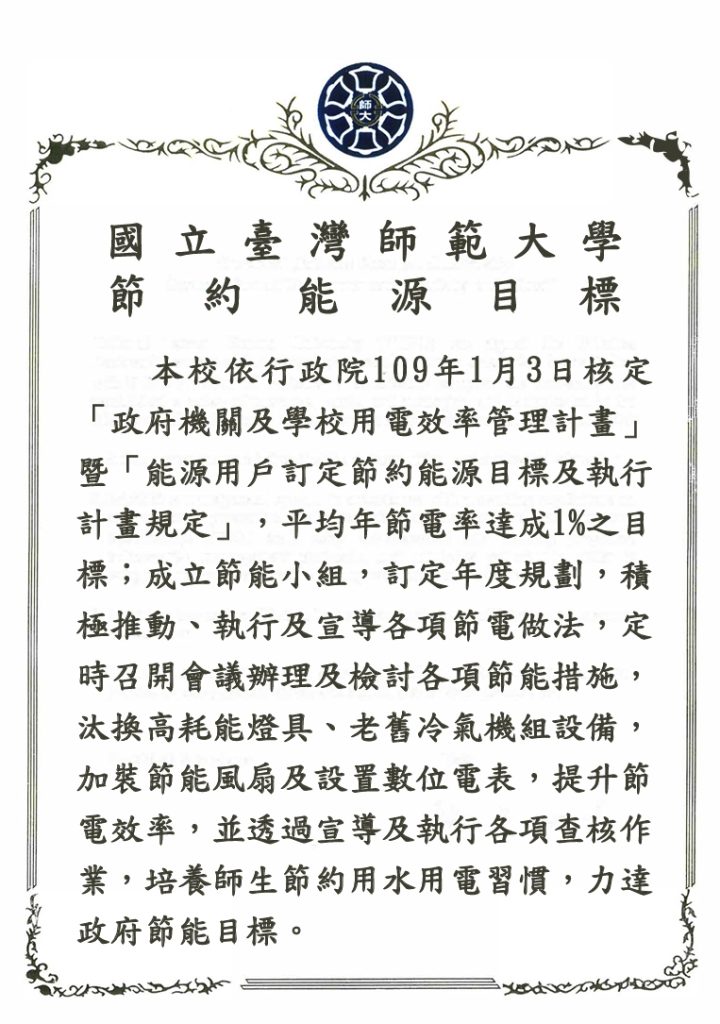
An “energy management policy” has been established to effectively manage energy and reduce carbon emissions.
It sets “energy conservation goals” and clearly explains the steps and procedures for implementing energy conservation.
To achieve our carbon neutrality goal, our university has developed a carbon reduction action plan across all campus levels, primarily divided into the following four strategic aspects:
(1) Energy Use: “Improving energy efficiency” and “Planning renewable energy facilities”;
(2) Research and Technology Application: “Promoting research and application related to energy technologies and behaviors, and promoting intelligent energy information systems”;
(3) Policy Implementation: “Implementing national green procurement policies” and “Conducting greenhouse gas inventory checks”;
(4) Education and Promotion: “Enhancing sustainable development education and literacy” and “Promoting low-carbon campus living behaviors”.
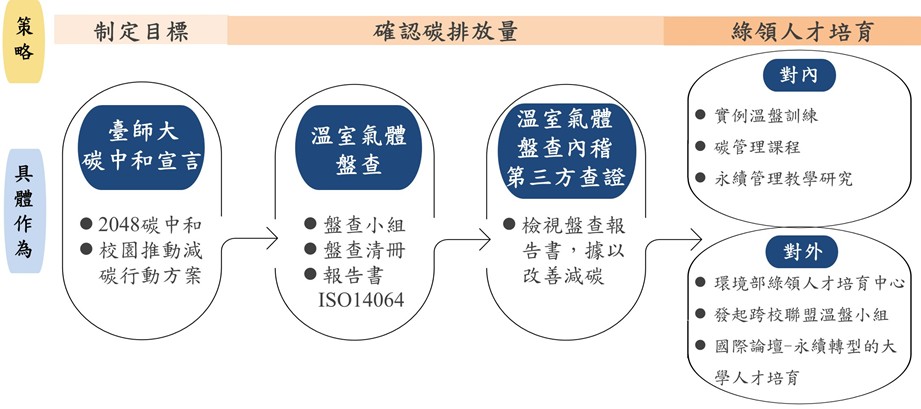
Emissions reduction and emission reduction process planning architecture diagram .
Flowchart of the process of promoting carbon reduction and greenhouse gas inventory.
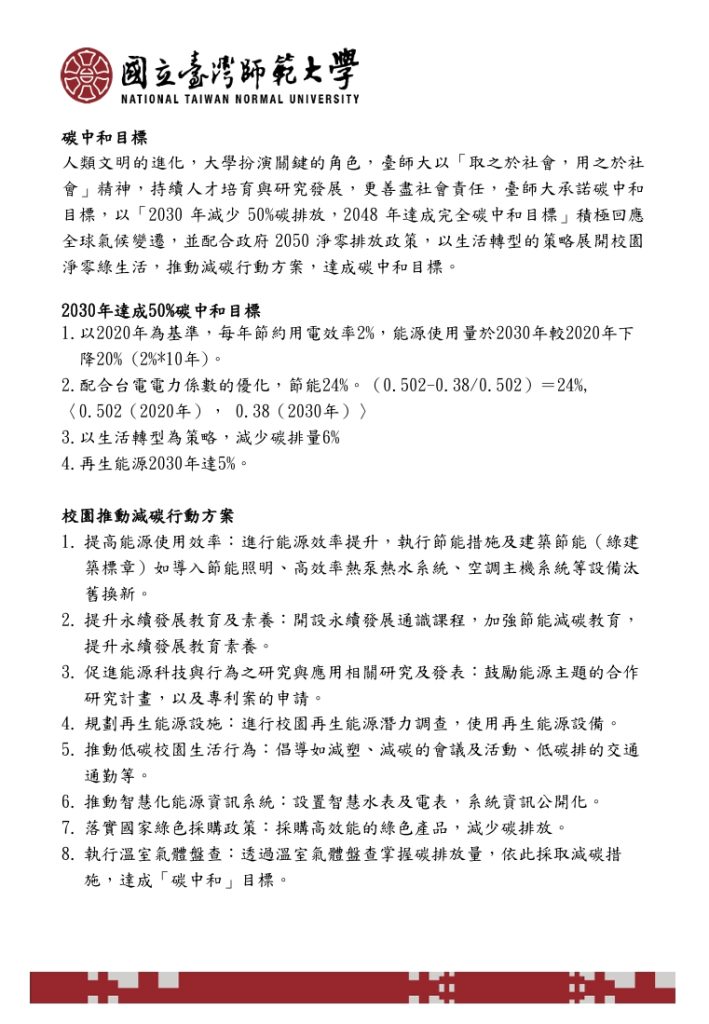
“Carbon neutrality target” and action plans to promote carbon reduction.
In line with national energy policy, NTNU is primarily implementing the “Government Agencies and Schools Electricity Efficiency Improvement Plan,” which runs from January 1, 2024 to December 31, 2026. The plan aims to improve electricity efficiency by 1% annually from 2024 to 2026. The current target is a 3% improvement in overall electricity efficiency by 2026 compared to 2023. Future targets will be reviewed based on implementation effectiveness and the development of energy-saving technologies. The annual energy-saving targets for 2024 to 2026 will be determined using the school’s base period Energy Usage Index (EUI).
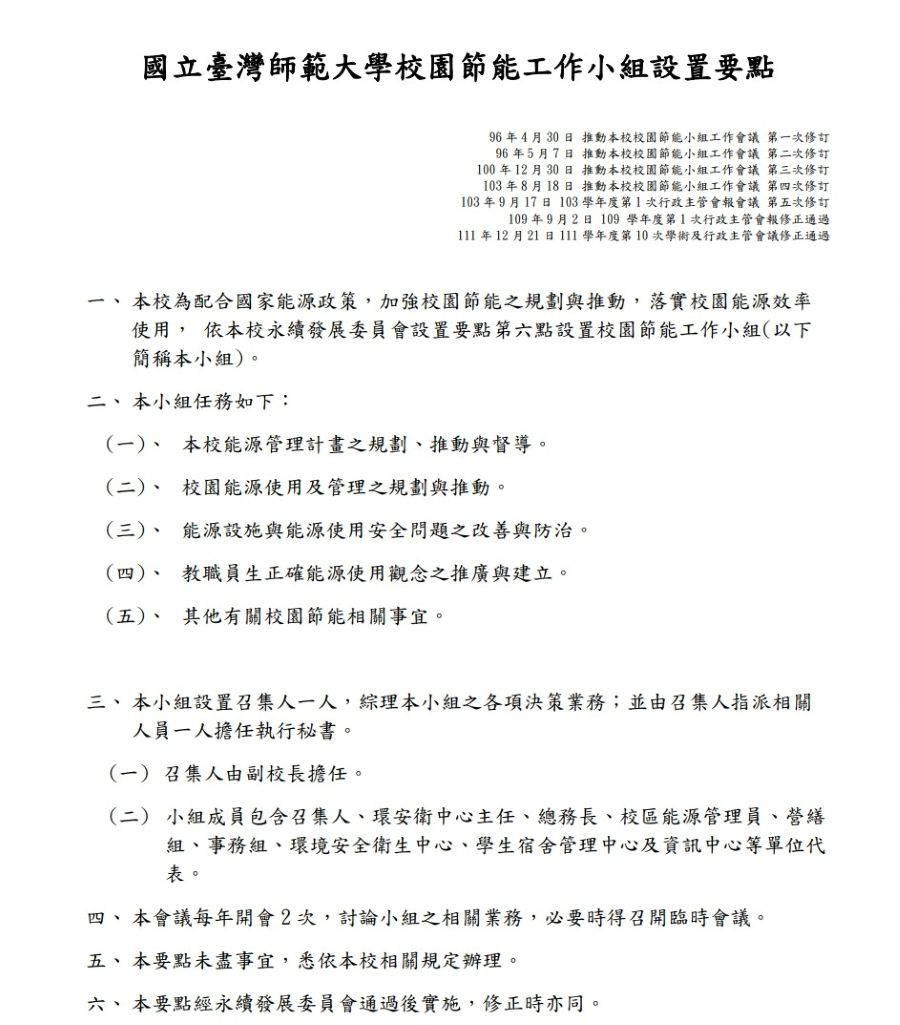
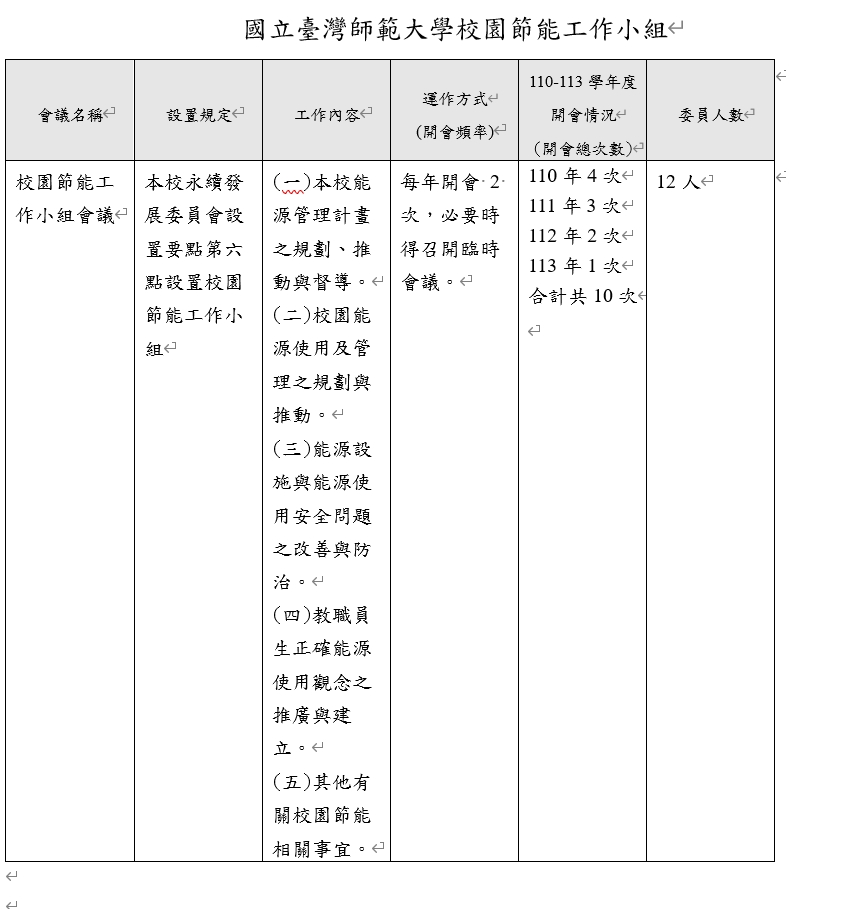
To strengthen the planning and promotion of energy conservation on campus and implement efficient energy use, in accordance with the guidelines for the establishment of the university’s Sustainable Development Committee, the “Guidelines for the Establishment of a Campus Energy Conservation Working Group” have been established. Point 2 (1) of these guidelines defines the task as “planning, promoting, and supervising energy management plans.” An Energy Conservation Promotion Group has been established, with the relevant departments and the university’s vice-principal serving as conveners. The Group will hold at least two meetings annually to review the university’s energy conservation measures, effectiveness, and goal achievement. The university will formulate the National Taiwan Normal University 2024 Energy Efficiency Improvement Plan annually, focusing on reducing overall energy consumption through air conditioning equipment upgrades, improved equipment energy efficiency, lighting equipment, and digital water and electricity meters. An annual energy conservation implementation plan has been established. The 2024 energy conservation measures plan includes:
項次 | 節能措施 | 實施期程 | 執行單位 |
1 | 春節連假期間關閉各棟大樓飲水機,僅留一樓飲水機。 | 2月08日至 2月14止 | 總務處營繕組 環安衛中心 |
2 | 編列30萬預算補助全校各單位冷氣清洗保養 | 3月至11月 | 環安衛中心 |
3 | 編列50萬預算供各單位申請汰換使用12年以上冷氣機。 | 3月至11月 | 環安衛中心 |
4 | 編列10萬預算補助行政單位及學院系所申請清洗節能風扇 | 3月至11月 | 環安衛中心 |
5 | 夏季乾旱節水措施 | 預計5月至7月 | 三校區 |
6 | 全校飲水機冰水溫度設定於10度℃之節能措施。 | 4月至10月 | 總務處營繕組 環安衛中心 |
7 | 宿舍飲水機冰水溫度設定於10度℃之節能措施。 | 3月至11月 | 總務處營繕組 環安衛中心 |
8 | 全校飲水機冰水功能關閉之節能措施 | 11月至次年3月 | 總務處營繕組 環安衛中心 |
9 | 宿舍飲水機冰水功能關閉之節能措施 | 12月至次年2月 | 總務處營繕組 環安衛中心 |
10 | 全校冷氣節能措施-關閉各單位及教室一台冷氣機 | 11月下旬至 次年3月 | 總務處營繕組 環安衛中心 |
11 | 環保小尖兵巡檢全校能源使用情形 | 1月至12月 | 環安衛中心 |
12 | 宿舍暑假統整集中住宿 | 7月至8月 | 學生宿舍管理中心 |
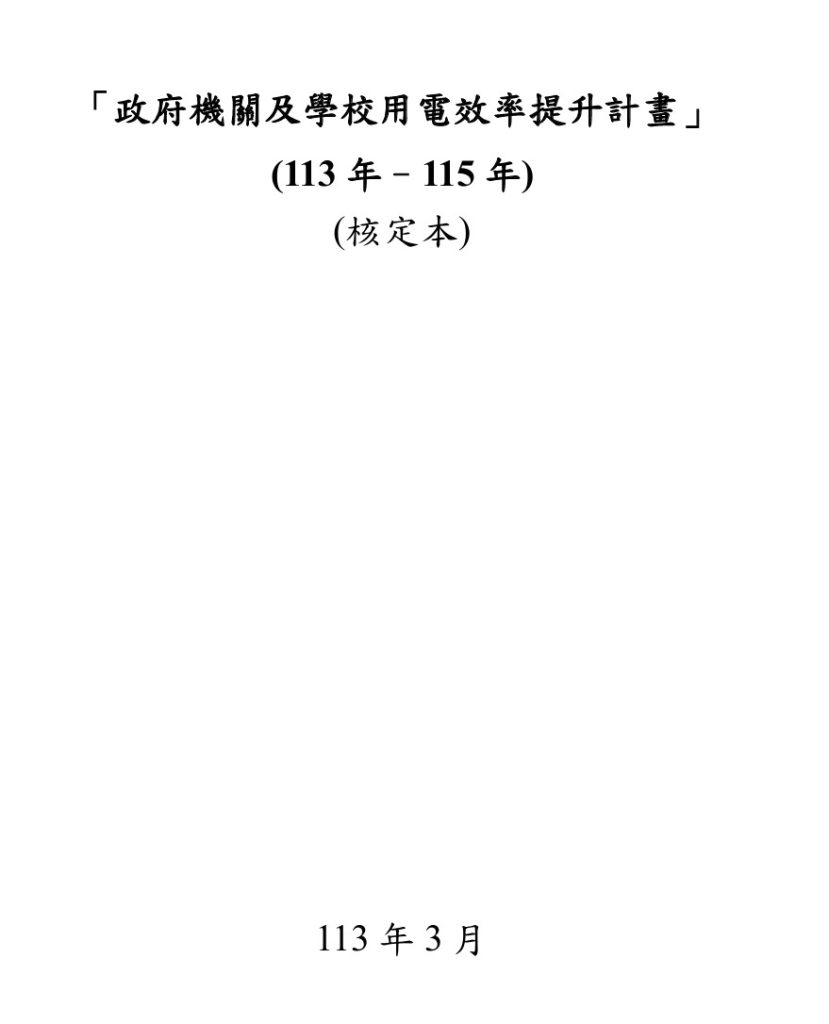
Based on the “Government Agency and School Electricity Efficiency Improvement Plan”, formulate targets and plans to reduce energy consumption.
“Key Points for Setting Up a Campus Energy Conservation Working Group”outlines the planning, promotion, and supervision of energy consumption reduction plans.
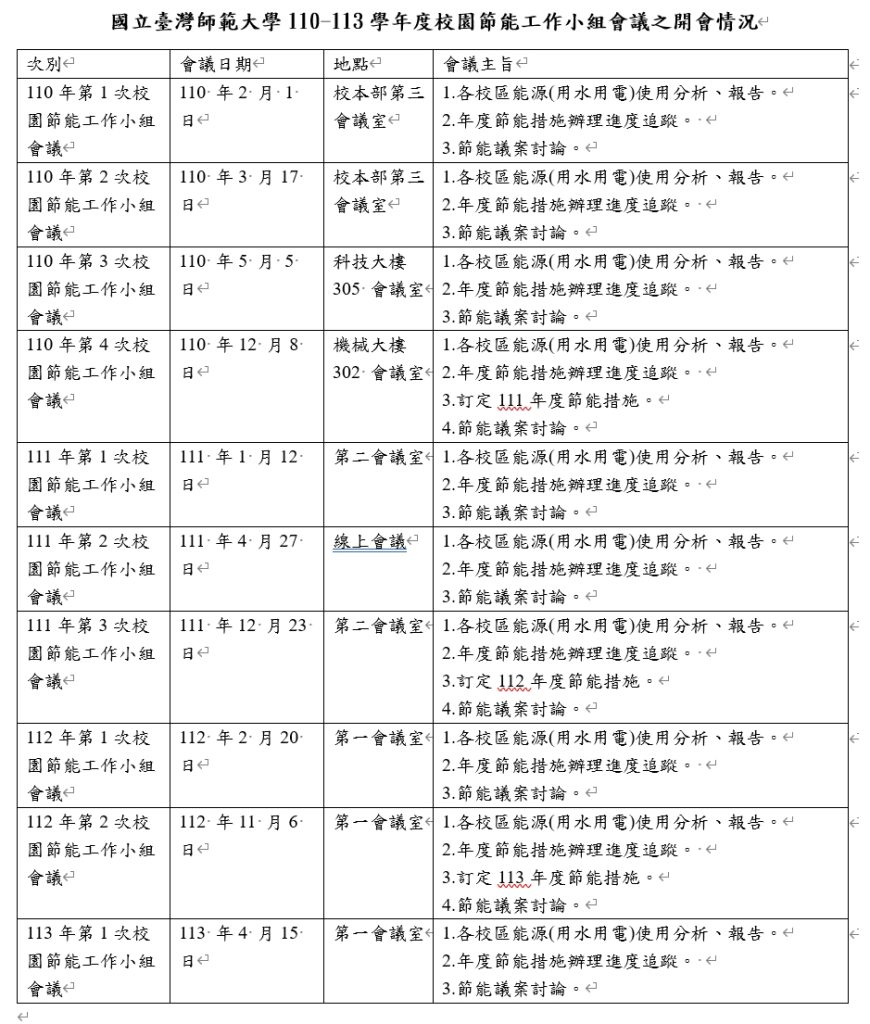
Minutes of the Energy Conservation Working Group Meeting on April 15, 2024: NTNU’s 2024 Energy Consumption Reduction Plan was formulated, including the implementing unit, measures, and progress tracking. progress tracking.
The Energy Conservation Working Group meetings from 2021 to 2024 will cover topics including planning and implementation of energy reduction plans, as well as energy consumption data analysis and review.
To identify energy waste, conduct energy assessments, and pinpoint the areas with the most severe energy waste, NTNU primarily combines a data-driven monitoring system, physical verification mechanisms, and energy conservation task force meetings:
Digital Water Meter Query System
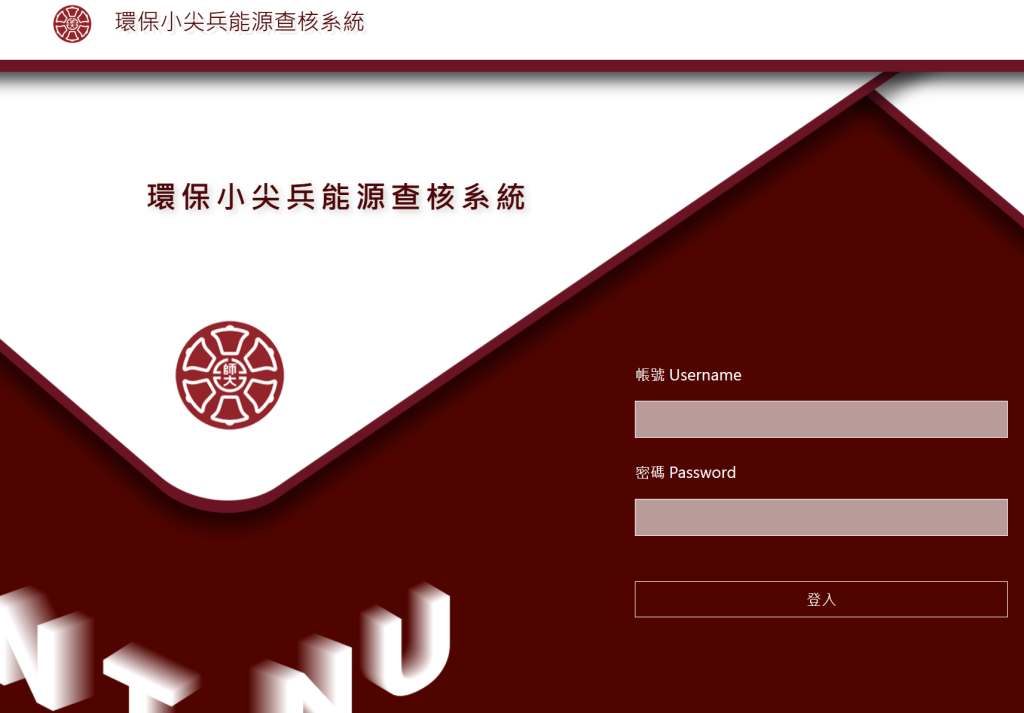
Environmental Protection Little Vanguard Energy Verification System
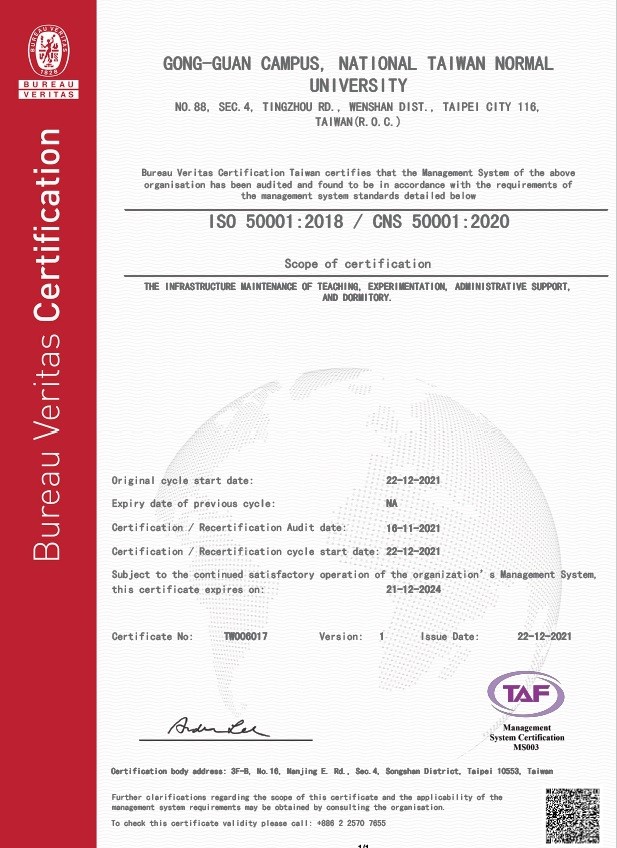
The Gongguan campus has obtained the “ISO 50001 Energy Management System Certification” certificate.
Minutes of the Carbon Reduction Task Force meeting, reviewing the reasons for electricity growth and waste across campuses.
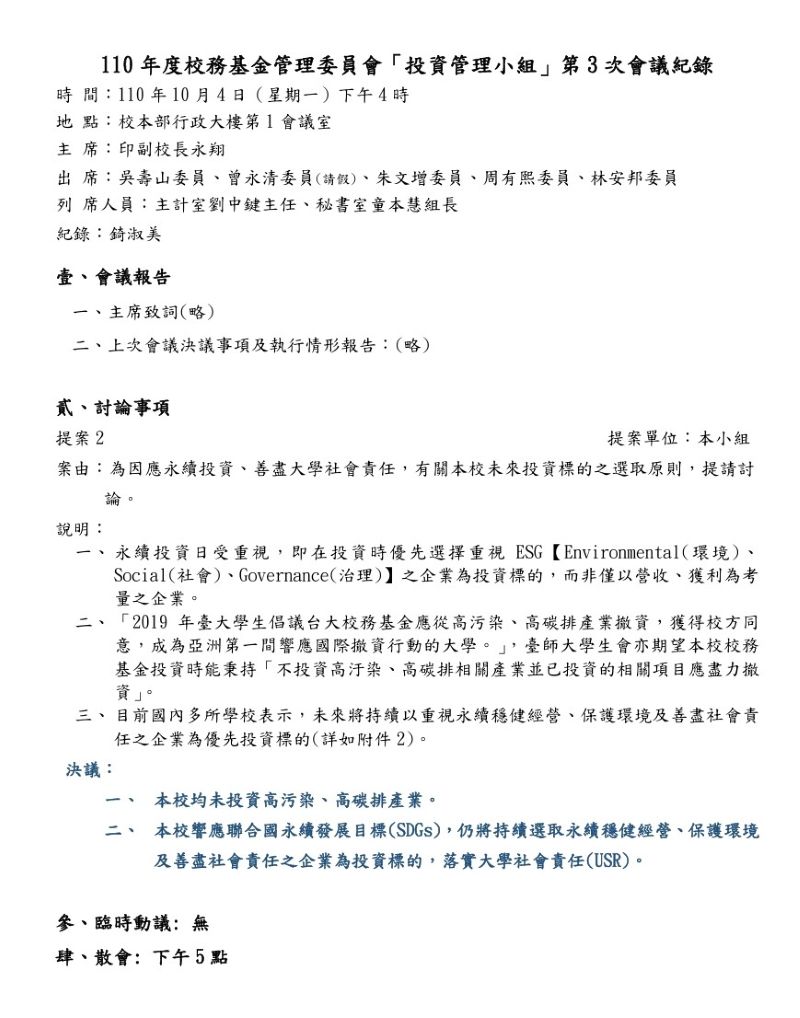
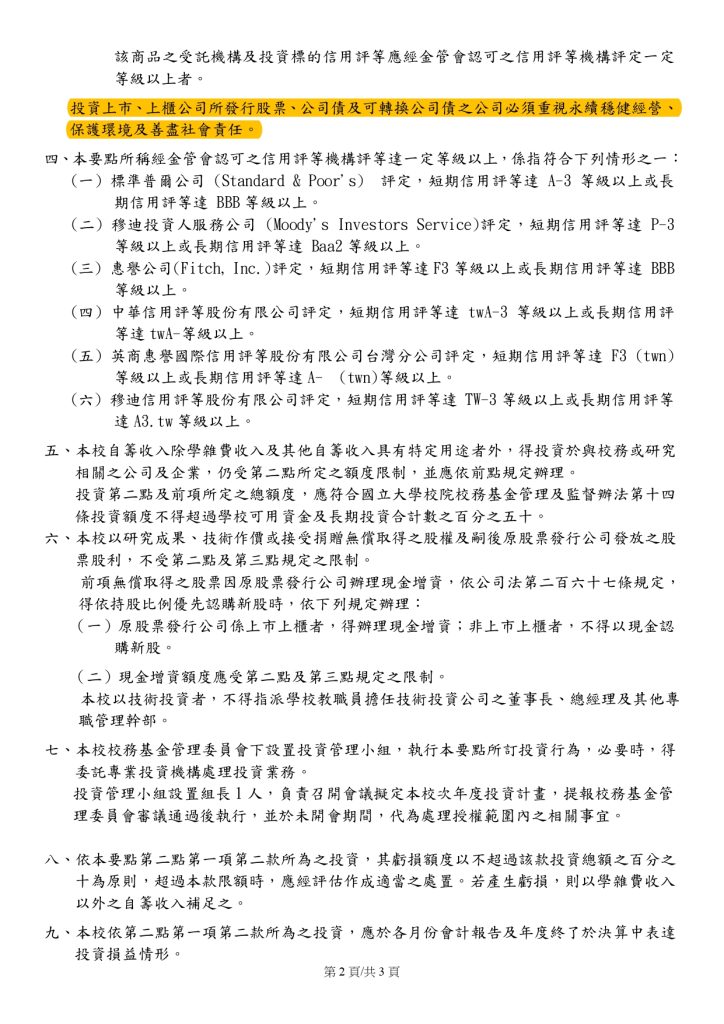
NTNU currently has no investments in industries with high pollution or high carbon emissions.
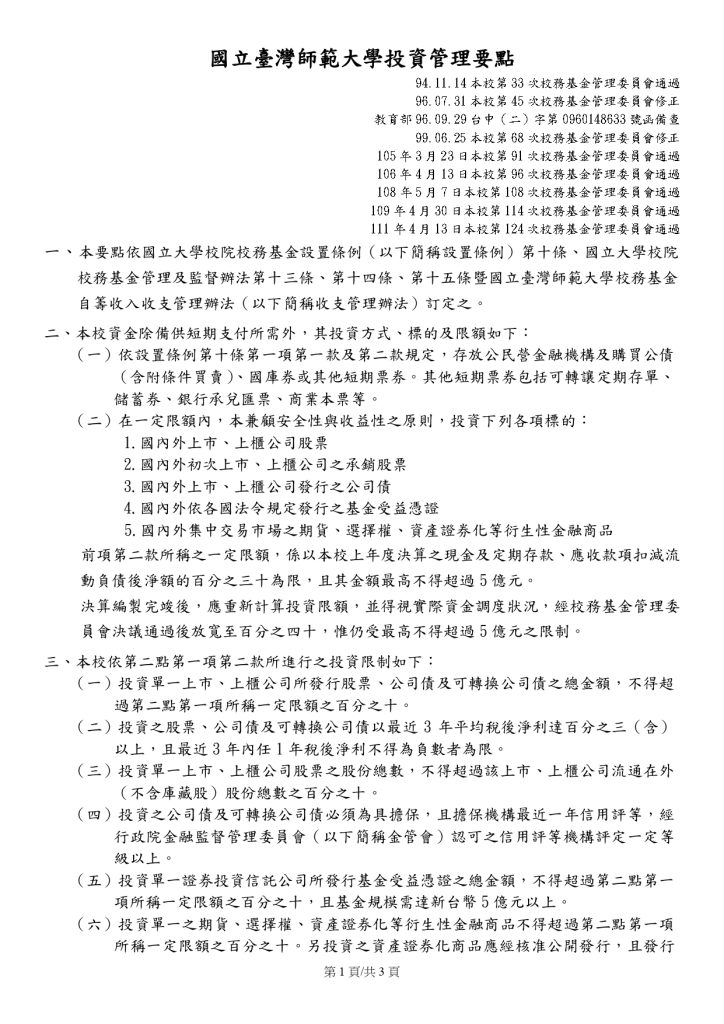
In its 2022 Financial Planning Report, the university announced its commitment to the United Nations Sustainable Development Goals by continuously selecting companies with sustainable and sound operations, environmental protection practices, and a strong sense of social responsibility as investment targets, thus fulfilling its University Social Responsibility (USR). Furthermore, the “Investment Management Guidelines” explicitly stipulate that investments in listed companies, OTC companies, and companies issuing shares, bonds, or convertible bonds must be made in companies with a sustainable business philosophy, a strong emphasis on environmental protection, and a commitment to fulfilling social responsibility.
本校投資管理小組會議記錄、本校均未投資高污染、高碳排產業。
Establish a policy of publicizing key investment management principles, ensuring sustainable investment and fulfilling social responsibilities.
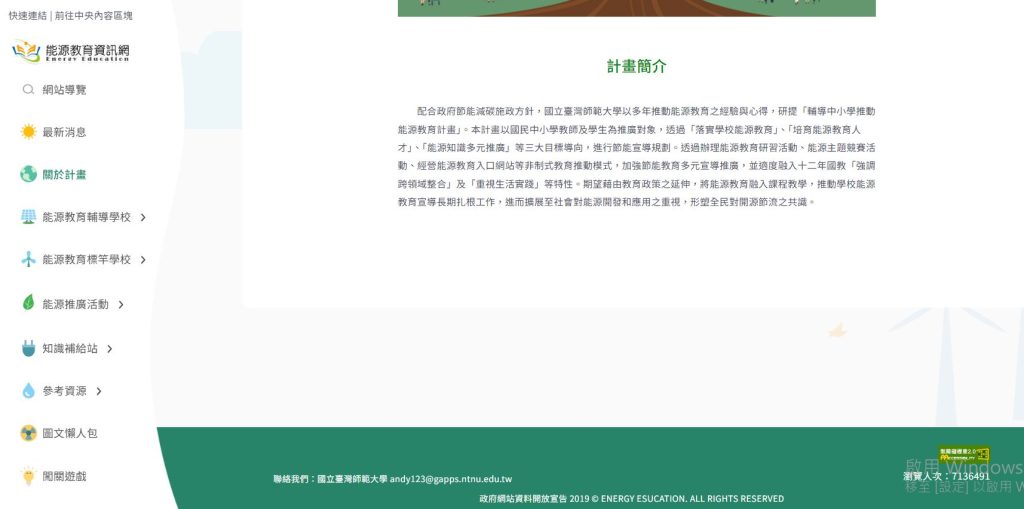
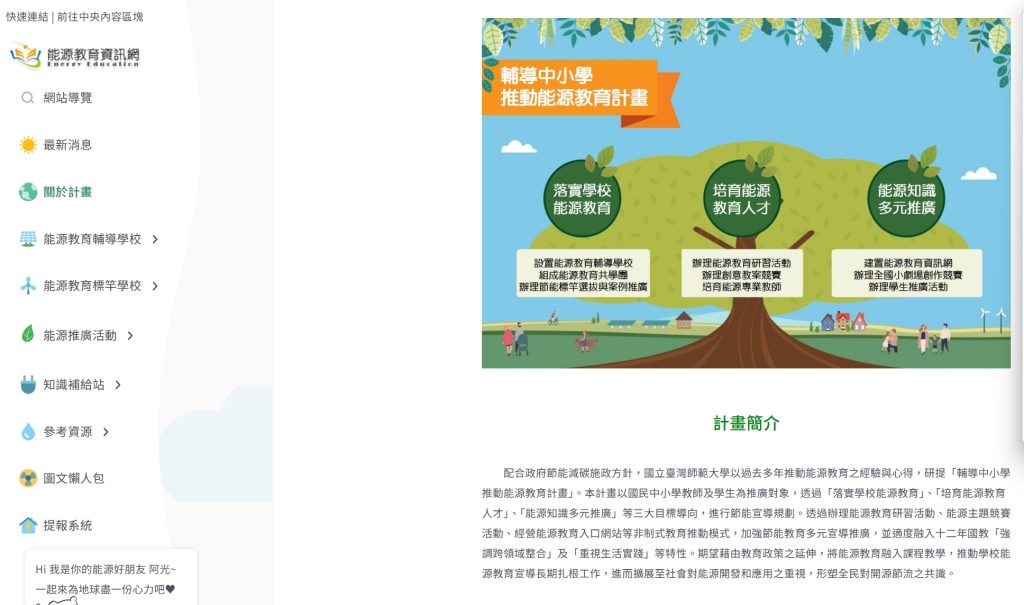
In alignment with the government’s energy conservation and carbon reduction policies, our school has been implementing the Ministry of Economic Affairs’ Energy Administration’s “Energy Education Guidance Program for Elementary and Secondary Schools” since 1999. Drawing on years of experience and expertise in promoting energy education, this program has been ongoing for over 25 years.
The program’s primary tasks are as follows:
In accordance with energy conservation policy requirements, the program organizes various themed competitions each year, employing diverse activities to promote energy efficiency and clean energy education across high schools, junior high schools, elementary schools, businesses, and local communities. The 2024 promotional activities include: an Energy Education Lesson Plan Workshop, an Energy Education Creative Lesson Plan Competition, an Energy Saving Creativity Transformation Mini-Theater Creation Competition, an Energy Little Master Technology Camp, Energy Education Week promotional events during the first week of June, operation of the Energy Education Information Network portal website, establishment of energy education tutoring schools, and the selection of energy education role models.
Energy Efficiency Promotion Website: Since 1999, our school has implemented the Ministry of Economic Affairs Energy Administration’s “Energy Education Promotion Plan for Elementary and Secondary Schools,” combining local and central government efforts to promote energy education through diverse activities.(https://energy.mt.ntnu.edu.tw/about_brief.php)
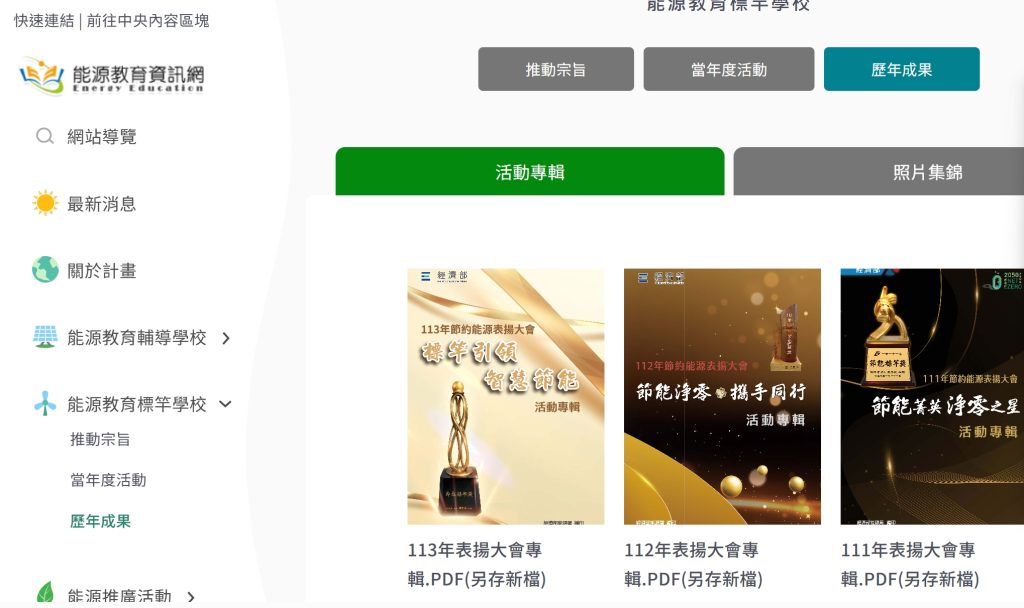
To promote energy efficiency initiatives in local communities and throughout Taiwan, an annual album is published and made available on the official website. (https://energy.mt.ntnu.edu.tw/educateSchool_achieve.php)
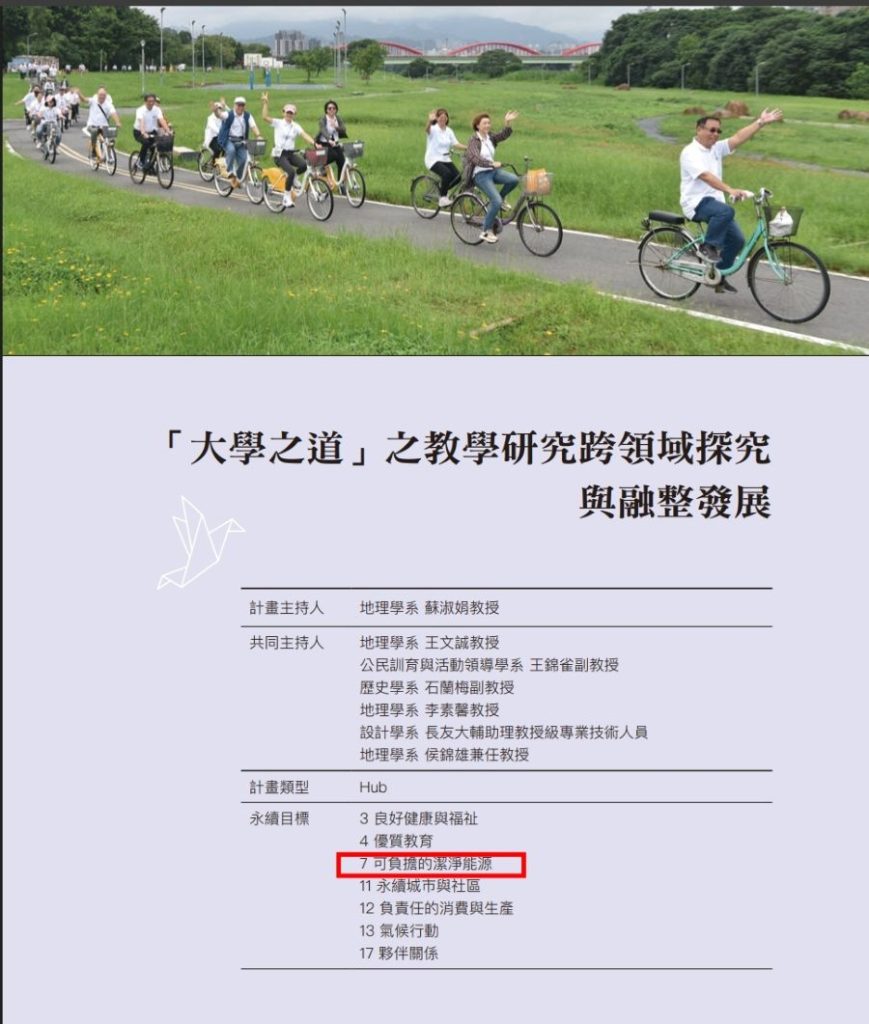
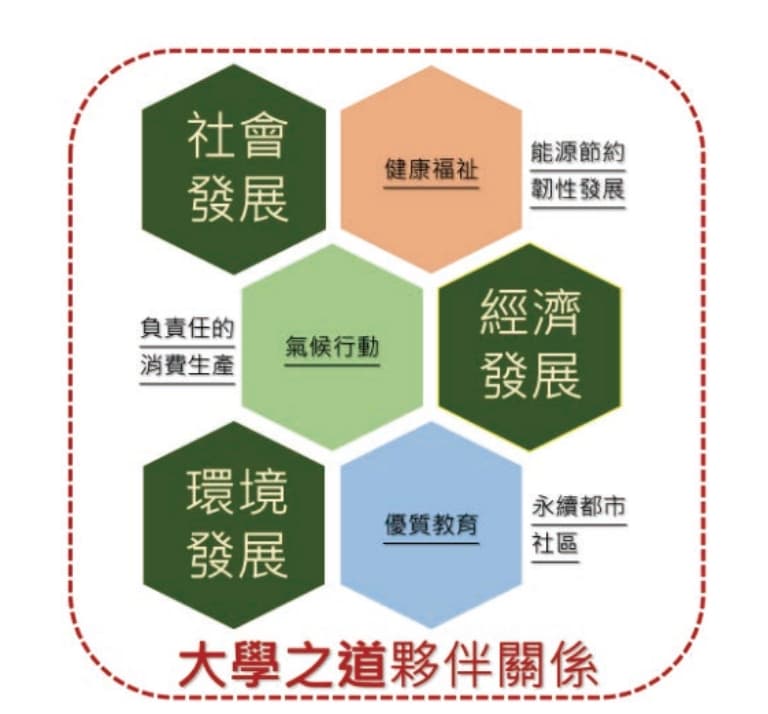
2. From 2023 to 2024, implement the “University Path” interdisciplinary research and development plan, focusing on human-centered transportation and cycling to school. This plan aims to translate the concepts of “energy efficiency” and “low-carbon living” into daily actions. It promotes local sustainable transportation and green cities, collaborating with schools, local communities, and government agencies to promote clean energy education activities.
The “University Way” teaching and research interdisciplinary exploration and integration development plan, and its implications for clean energy education and advocacy activities in the on-campus and off-campus communities.
The “University Way” program combines schools, local communities, and government agencies to promote low-carbon, energy-saving, and healthy commuting bicycle routes.
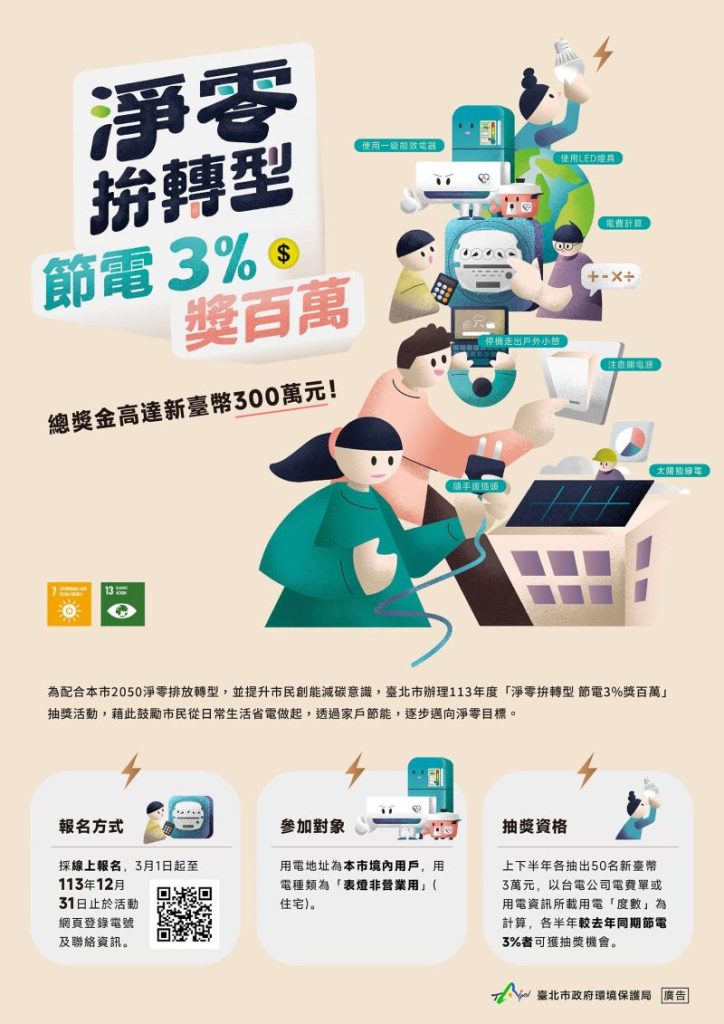
3. In 2024, the student club “Sustainability Club” collaborates with the Taipei City Environmental Protection Bureau on the Warm Sun Sustainability Festival, launching the “Net Zero Transformation: Save 3% on Electricity, Win a Million Dollar Award” program specifically for local Taipei communities. This program encourages learning about the importance of energy efficiency and clean energy in daily life.
The 2024 Warm Sunshine Sustainability Festival collaborated with the Taipei City Government Environmental Protection Bureau to promote energy conservation and carbon reduction activities in the community.
NTNU is committed to promoting the adoption of renewable energy, actively implementing it not only on campus but also encouraging and advocating for it within and outside the community. Regarding concrete actions to promote 100% renewable energy, the university takes the following five main approaches:
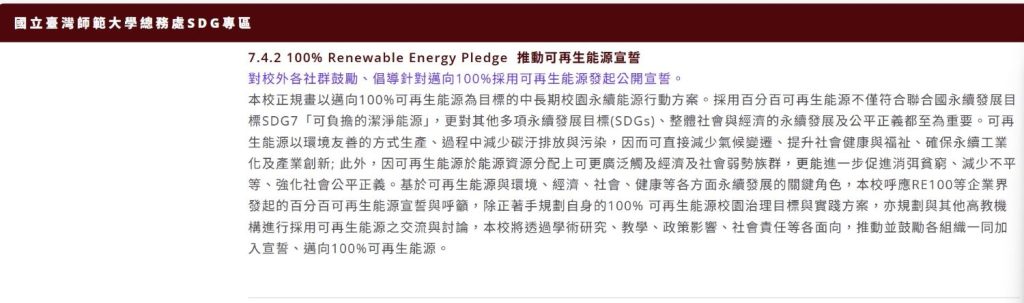
Promoting the 100% Renewable Energy Pledge is considered a key step under the Sustainable Development Goal (SDG 7: Affordable Clean Energy). The university not only actively plans its own campus governance goals and practical solutions for achieving renewable energy but also promotes and encourages more organizations to join in moving towards the goal of 100% renewable energy through academic research, teaching, policy impact, and social responsibility initiatives at meetings and events.
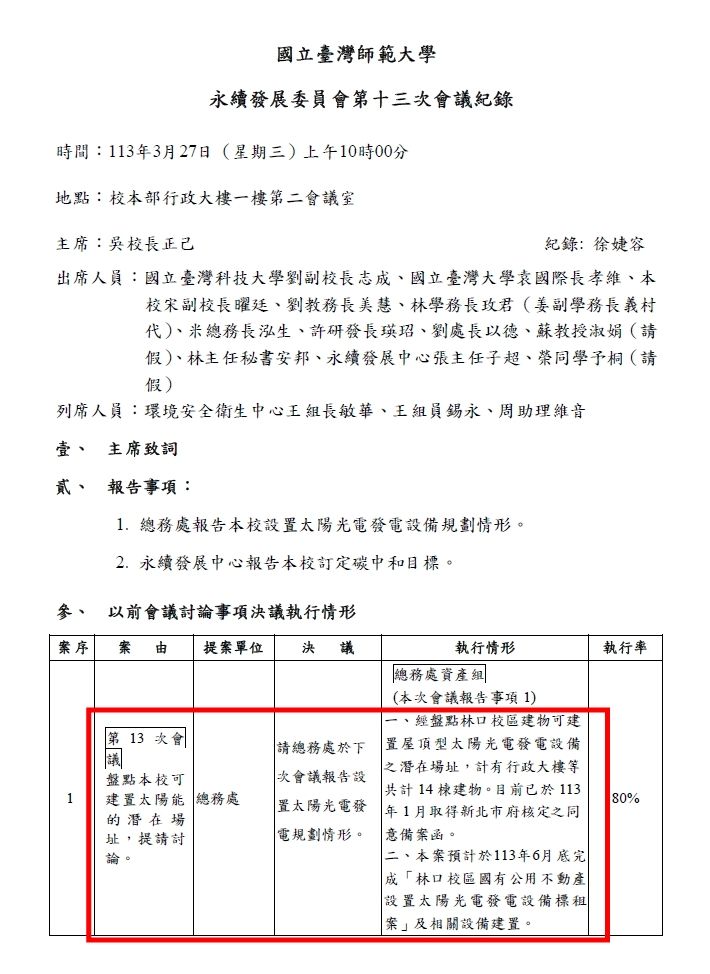
The university is actively planning renewable energy facilities and will conduct a campus renewable energy potential survey at the Sustainable Development Committee meeting on March 37, 2024.
Through co-organizing a series of renewable energy activities on university campuses with the Taiwan Youth Sustainable Development Association and the Taipower Electromagnetic No. 1 Laboratory, student clubs conducted a lecture on “The Current Status of Renewable Energy in Taiwan and Solar Photovoltaic Systems.“
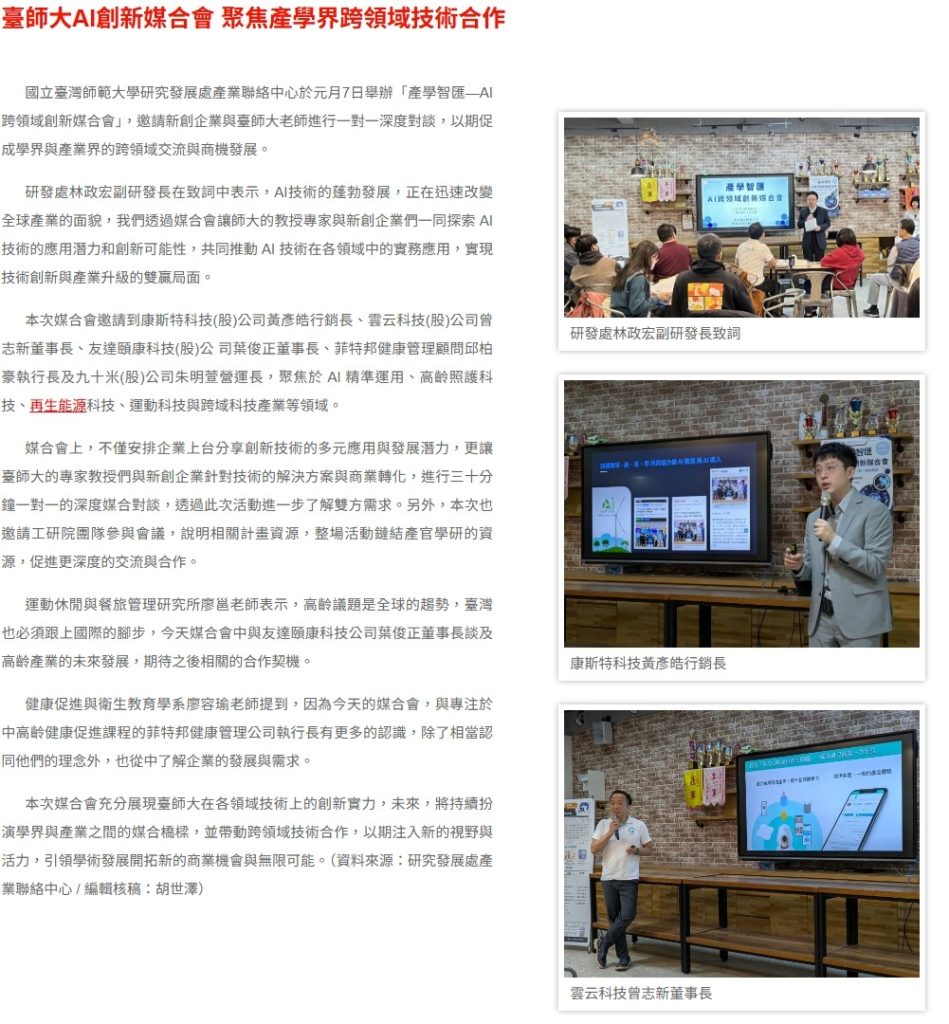
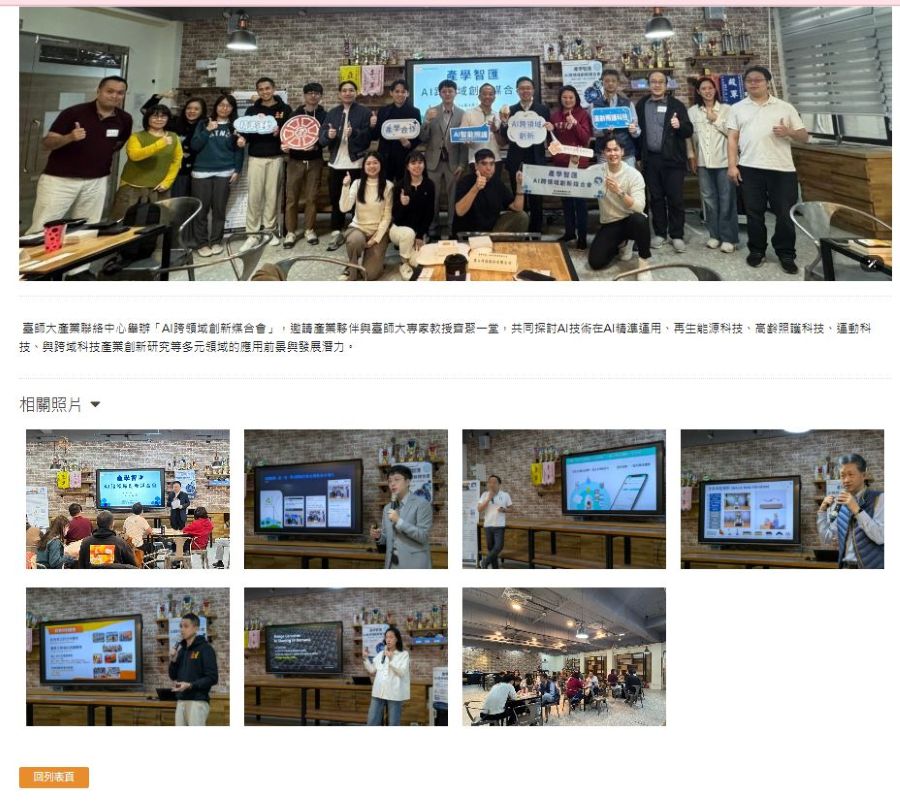
The university integrates renewable energy issues into industry-academia collaboration, youth education, and knowledge dissemination to support external initiatives, including hosting the “Industry-Academia Collaboration—AI Cross-Disciplinary Innovation Matchmaking Conference.”
General Affairs Department SDG Private Network: 100% Renewable Energy Pledge
The Sustainable Development Committee discussed the site selection for renewable energy and solar panel installations.
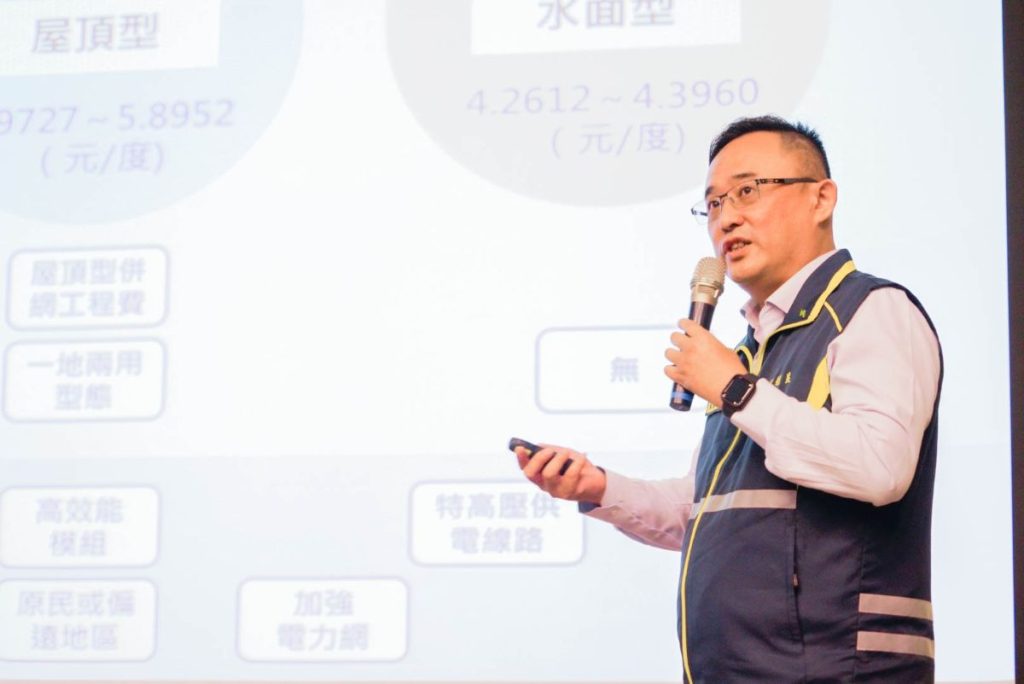
The head of the Renewable Energy Division of Taiwan Power Company shared the current status and future of renewable energy in Taiwan.
Conference on Collaboration between Renewable Energy Technology and Cross-Domain Technology and Creative Industries
NTNU offers education and services focused on energy efficiency and clean energy for local industries. Specific details regarding the “Energy Efficiency Assessment” and “Seminars, Lectures, and Courses” are as follows:
1. Process Optimization and Pollution Reduction (Biodediesel): Professor Kuan-Chun Lee of the College of Life Sciences at NTNU has a long-term collaboration with alumni-owned Chengde Oils. Using genetic engineering, they have created a specific enzyme (lipase) to replace the previous strong alkaline catalytic process, improving the biodiesel production process. This biocatalytic process offers several advantages, such as safety, low energy consumption, high reaction efficiency, and effective reduction of process pollution and costs.
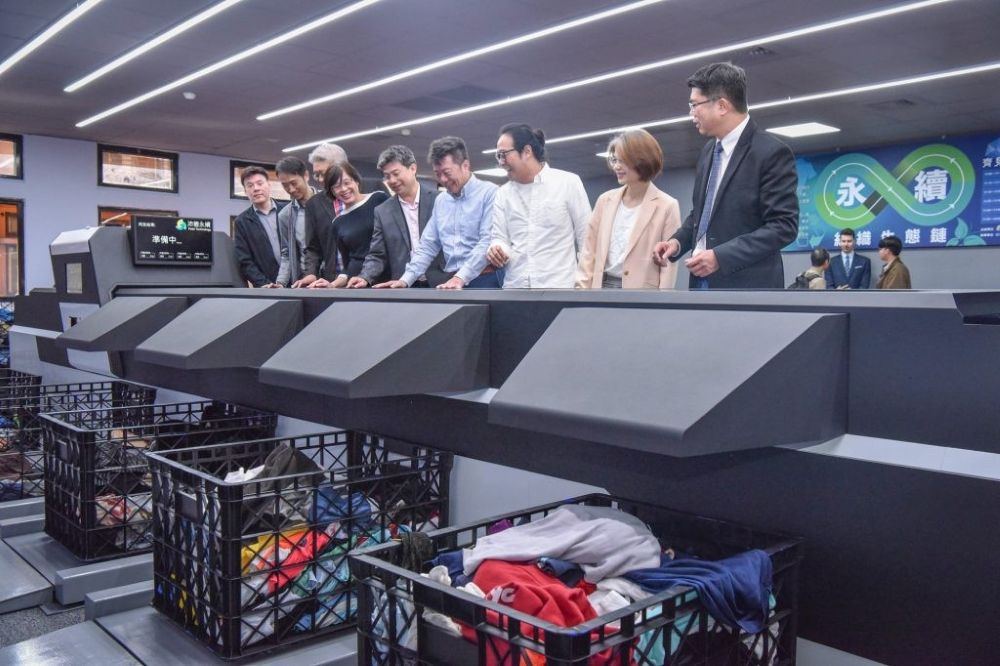
2. Zero Waste Recycling in the Textile Industry: Our school assisted in the establishment of the startup, Pei-Te Sustainable Technology. Utilizing AIoT technology, the company developed the world’s first used clothing recycling identification bin, helping the recycling and textile industry improve sorting and reuse efficiency, effectively addressing the issue of used clothing disposal, and moving towards the goal of Zero Waste. Pei-Te Sustainable Technology also collaborated with textile giant Li-Li Group and embedded systems manufacturer Rueichuan Technology to launch a portable textile material identification bin. This product received recognition from the Ministry of Economic Affairs’ Industrial Technology Division and was featured in a television special report.
3. Green Energy Application Practice: From October 21st to 27th, 2024, the Institute of Photonics Engineering and its Bachelor’s Degree Program will hold the “2024 Smart & Sustainable Textile International Camp,” connecting Taiwan’s textile, technology, and resource recycling industries with international certification bodies, and focusing on connections in Southeast Asia. Ten industry, government, and academic professionals from five countries—Thailand, Indonesia, Malaysia, Vietnam, and the Philippines—will participate. The event includes multiple lectures, workshops, practical courses, and industry visits.
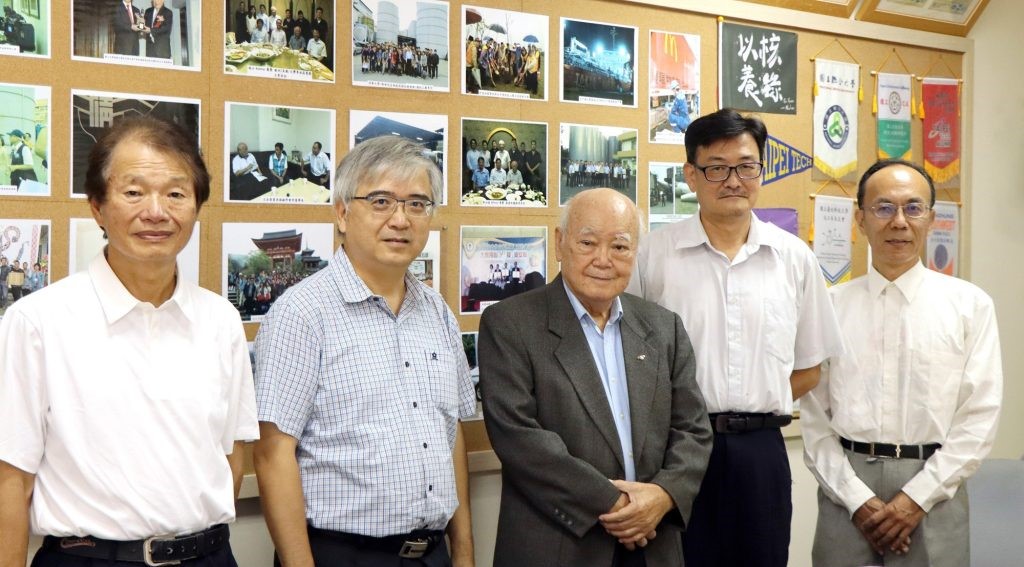
Chengde Oil Company has a long-term and close cooperative relationship with our school in developing high-quality biodiesel.
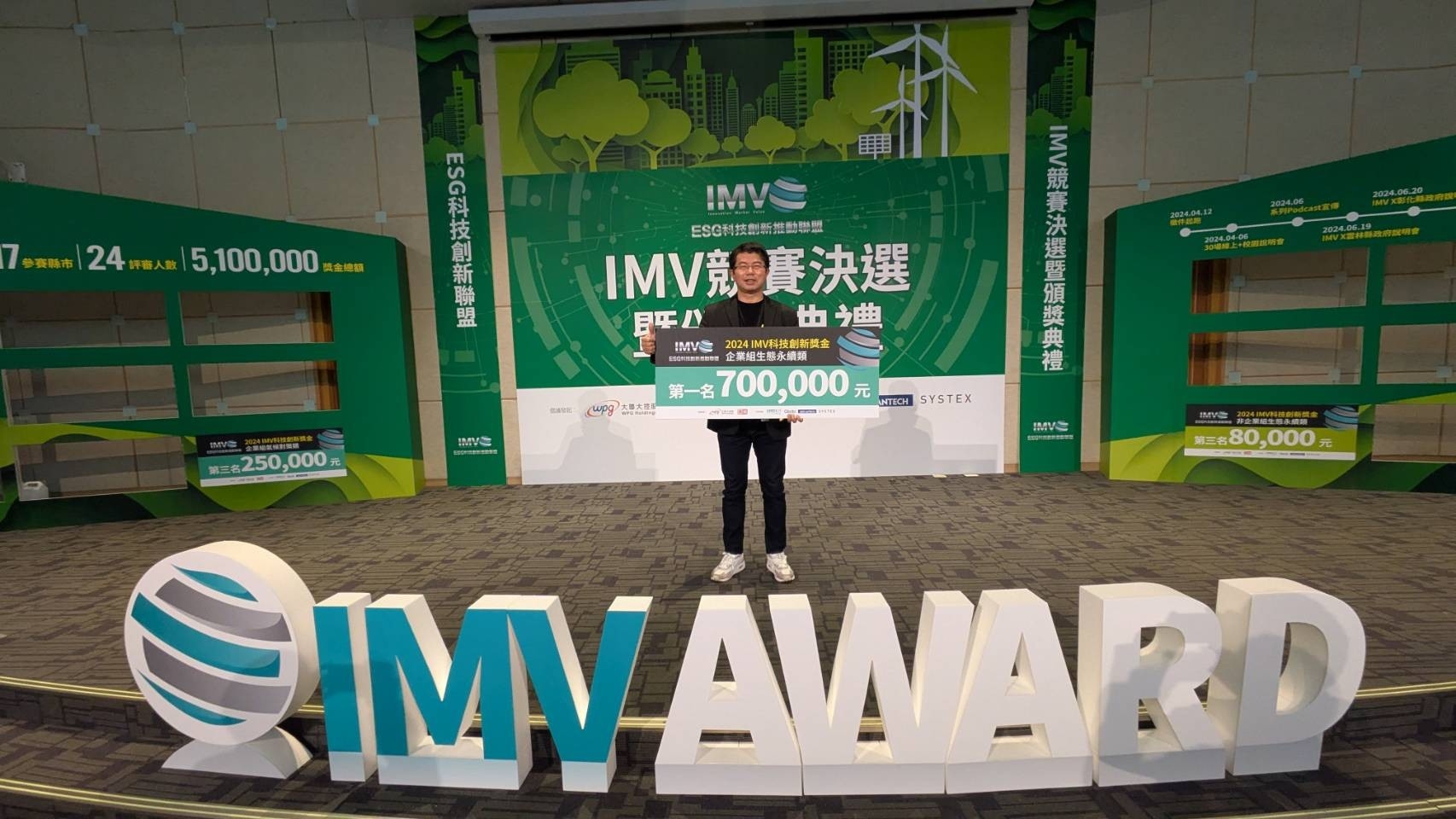
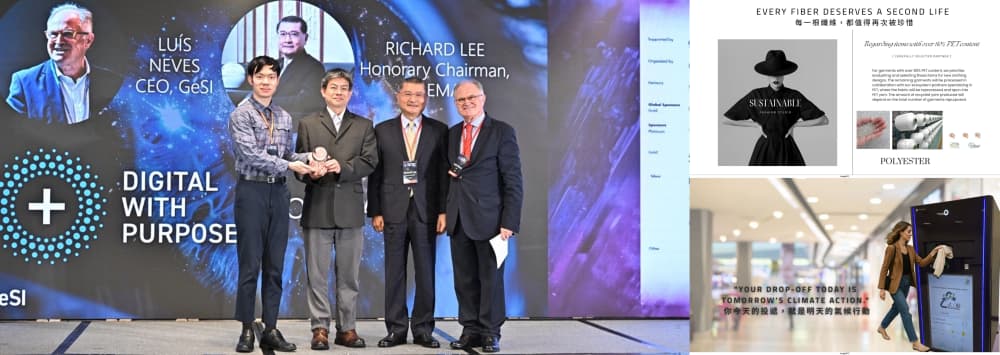
NTNU spin-off startup, Pedersen Sustainable Technology Co., Ltd., won the “First Prize in the Eco-Sustainability Category” of the IMV Technology Innovation Award for Enterprises, presented by the ESG Technology Innovation Promotion Alliance, in November 2024.
Organize the “2024 Smart & Sustainable Textile International Camp” to connect Taiwan’s textile, technology, and recycling industries with international certification bodies. Workshops will allow participants to experience smart recycling firsthand at factories.
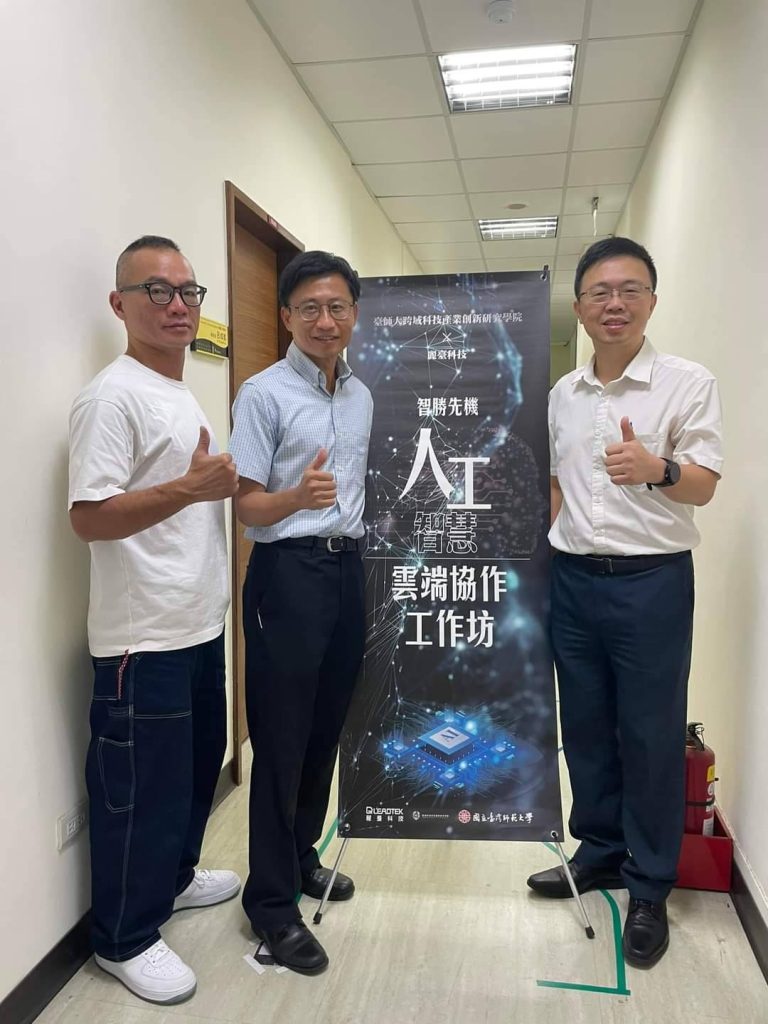
1. NTNU’s college of interdisciplinary industry academia innovation, in collaboration with Realtek Semiconductor and Leadtek Technologies, held an “AIoT Smart Internet of Things Seed Teacher Workshop.” Through the AIoT platform, participants experienced the integration of artificial intelligence and Internet of Things technologies, promoting AIoT education for high school seed teachers.
2. NTNU, together with the Taiwan Youth Sustainable Development Association and Taiwan Power Company’s Electromagnetic Isolation Laboratory, co-hosted a lecture on “Current Status of Renewable Energy in Taiwan and Solar Photovoltaic Systems,” inviting the head of the Strategic Development Division of Taiwan Power Company’s Renewable Energy Department to share the current situation and future prospects.
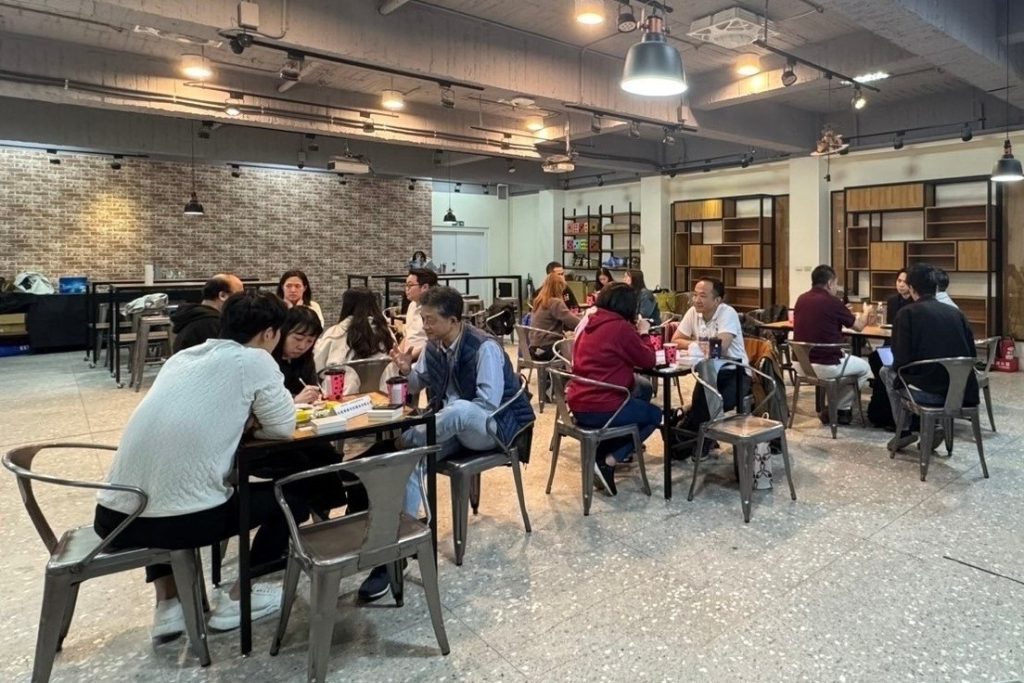
3. NTNU’s Office of Research and Development hosted the “AI Cross-Disciplinary Innovation Matchmaking Conference” to promote exchange and cooperation between startups and professors on renewable energy technology and AI technology. The university integrates renewable energy issues into industry-academia collaboration, youth education, and knowledge dissemination, listing “renewable energy technology” as a key area, connecting resources from industry, government, academia, and research institutions, promoting the technological solutions and commercial applications of energy service companies, and accelerating low-carbon innovation development.
In collaboration with Leadtek Technology, we assist companies in cultivating high school AIoT seed teachers and promoting education.
NTNU AI Interdisciplinary Innovation Matchmaking Conference: One-on-one matchmaking dialogues between industry and academia.
NTNU is assisting Chengde Oils in transforming its traditional oil processing industry into a green energy industry through collaborative research on recombinant lipase production and preparation technologies, and promoting biodiesel technology research and development. Both parties signed an “International Member Value-Added MIT-ILP Service” agreement, leveraging NTNU’s industry liaison experts to help Chengde Oils stay abreast of the latest MIT research developments, promoting industrial upgrading and international cooperation.
Chengde Oil Company has a long-term and close cooperative relationship with our school in developing high-quality biodiesel.
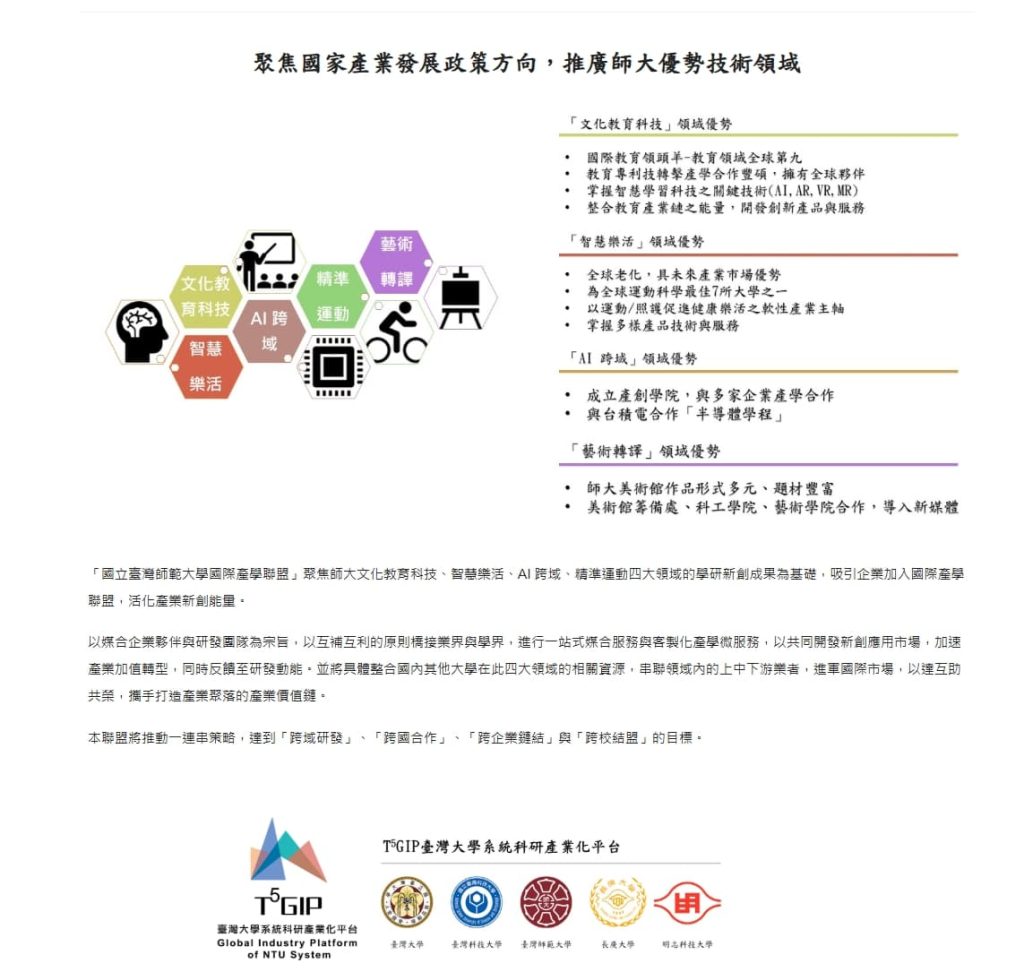
1. NTNU’s policy of supporting clean energy technologies connects National Taiwan University, National Taiwan University of Science and Technology, National Taiwan Normal University, Chang Gung University, and Ming Chi University of Technology to establish the “Global Industry Platform of NTU System” (T5GIP). This platform leverages the geographical proximity and complementarity among the universities to plan comprehensive industry-academia collaboration, focusing on innovative research capabilities. It covers assisting government agencies in developing clean energy and energy-saving technologies, and further connecting Taiwan’s industries with the international market.
The “National Taiwan Normal University International Industry-Academia Alliance” establishes a research platform within the National Taiwan University system to support government industrial development policies.
2. NTNU has established the “ Graduate Institute of Green Energy and Sustainable Technology” whose main research directions include the development of emerging energy sources, next-generation alternative energy sources, energy efficiency technologies, and green energy vehicle systems. In particular, it actively promotes the spirit of green energy and resource sustainability in the context of the SDG7 clean energy policy. At the same time, it collaborates with enterprises through industry-academia cooperation mechanisms to establish a cross-domain green energy application platform, cultivate high-level clean energy talents, and participate in policies to improve energy efficiency. This aligns with the “Green Electricity and Renewable Energy Industry” aspect of the “Six Core Strategic Industries Promotion Plan” approved by the Executive Yuan in 2021, and the spirit of the establishment of the “Circular Economy” as a key national area.
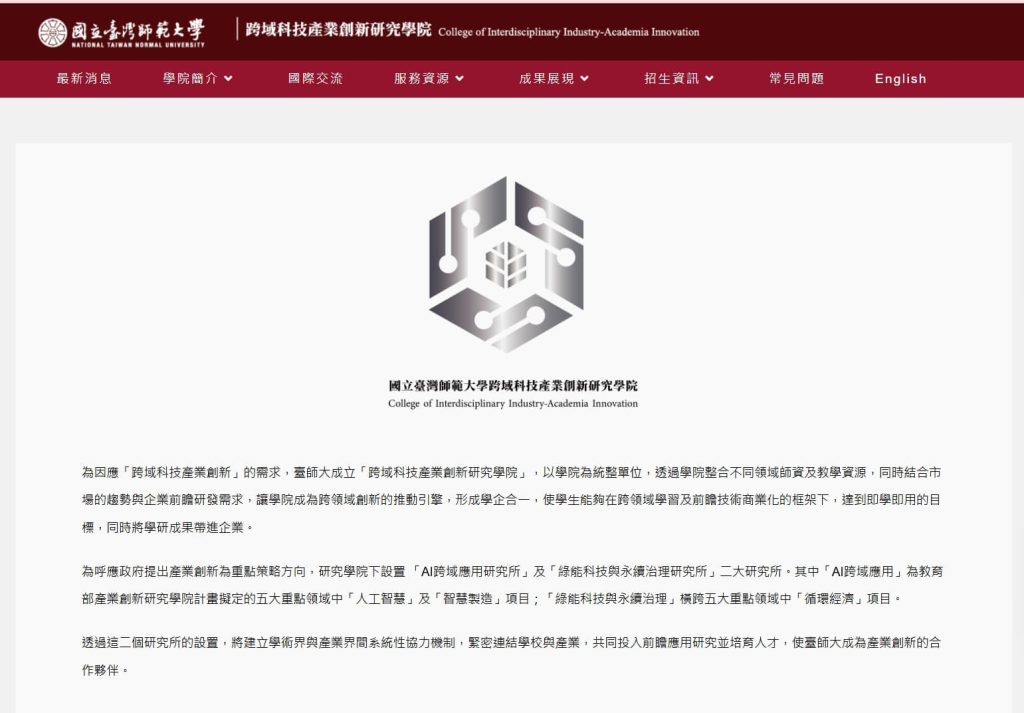
The Institute for Green Energy Technology and Sustainable Governance has published information on its website to establish a cross-domain green energy application platform, emphasizing research collaborations with governments and enterprises on innovative clean energy and energy-saving technologies.
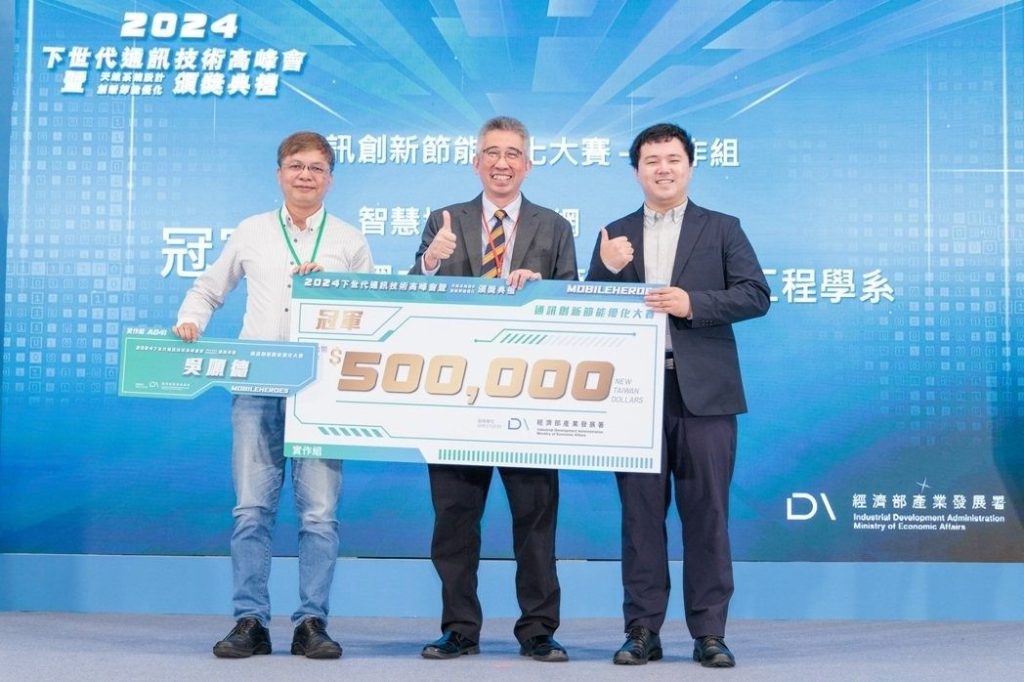
3. NTNU supports the government’s efforts to promote energy-saving technologies in communications, Associate Professor Shun-Te Wu of the Department of Mechanical and Electrical Engineering at NTNU led a team to participate in the “2024 Communication Innovation and Energy-Saving Optimization Competition” organized by the Ministry of Economic Affairs’ Industrial Development Administration, focusing on developing energy-saving optimization solutions for diverse communications. They successfully created a low-power and high-efficiency “AIoUT” (Artificial Intelligence of Underground Things), winning the championship in the practical category. This provides solutions for the government’s new energy management policies in clean energy and energy-saving technologies, and also offers strong support for the government’s smart city construction.
The “AIoUT” (Artificial Intelligence of Underground Things)developed through innovative energy research won the championship in the 2024 Ministry of Economic Affairs Communication Innovation and Energy Saving Optimization Competition, demonstrating the government’s support for and research achievements in energy-saving and clean energy technologies.
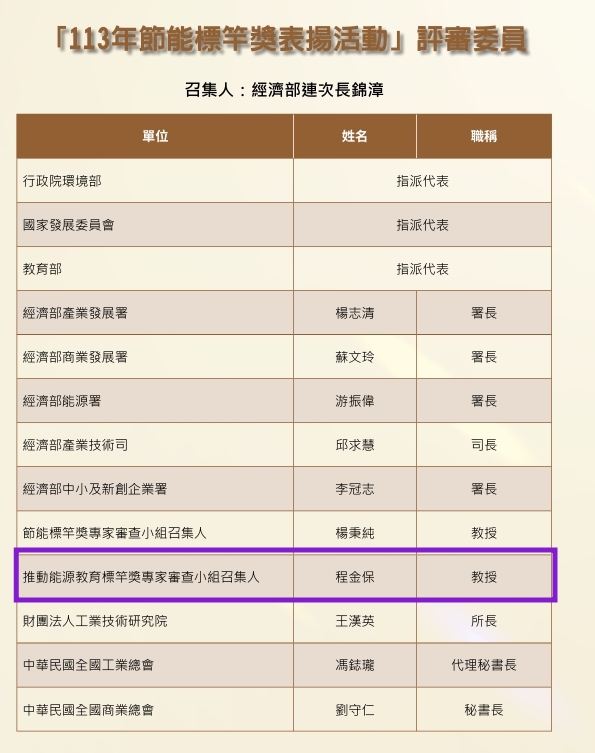
5. NTNU has long supported the government’s clean energy technology policies. Since 1999, it has aligned with the government’s energy conservation and carbon reduction direction, continuously participating in the Ministry of Economic Affairs’ Energy Administration’s “Energy Education Assistance Program for Elementary and Secondary Schools,” a program that has lasted for over 25 years. During this time, it has actively assisted the government in implementing energy education policies, improving the energy literacy of elementary and secondary school teachers, students, and the general public, demonstrating solid educational outreach results. Furthermore, it has long served as an expert committee member in promoting energy education, contributing policy recommendations and professional consultations, and continuously contributing to Taiwan’s clean energy efforts.
Lorem ipsum dolor sit amet, consectetur adipiscing elit. Ut elit tellus, luctus nec ullamcorper mattis, pulvinar dapibus leo.
NTNU has long supported the Ministry of Economic Affairs’ Energy Administration’s “Energy Education Assistance Program for Elementary and Secondary Schools” public website(https://origin-energy.mt.ntnu.edu.tw/about_brief.php)
Supports government energy conservation policies and serves as an expert in promoting education review.
NTNU encourages faculty and staff to actively participate in industry-wide low-carbon innovation collaboration projects and activities related to “sustainable governance and net-zero carbon emissions”:
1. Our university encourages faculty and staff to participate in low-carbon innovation projects related to sustainable governance and net-zero carbon emissions. The textile industry is the world’s second-largest polluting industry, generating 92 million tons of textile waste in 2018. Professor Hsieh Chen-Chieh of the Department of Photonics developed an AIoT-based used clothing sorting system, combining near-infrared spectroscopy with AI algorithms, which garnered support from the Ministry of Economic Affairs to establish Pei-Te Sustainable Technology Co., Ltd. This company launched the “Smart Sorting Sustainable Textile” system, integrating the supply chain, promoting a green circular economy, assisting the textile industry towards sustainable development and net-zero carbon emissions goals, and jointly protecting the Earth’s environment.
The newly launched product “Peide Sustainability” won two DWP Global Sustainability Awards.
The innovative “Smart Sorting Sustainable Textile” system utilizes near-infrared light for rapid remote sensing, enabling non-destructive and non-contact material detection and classification, thus contributing to the development of a green circular economy.
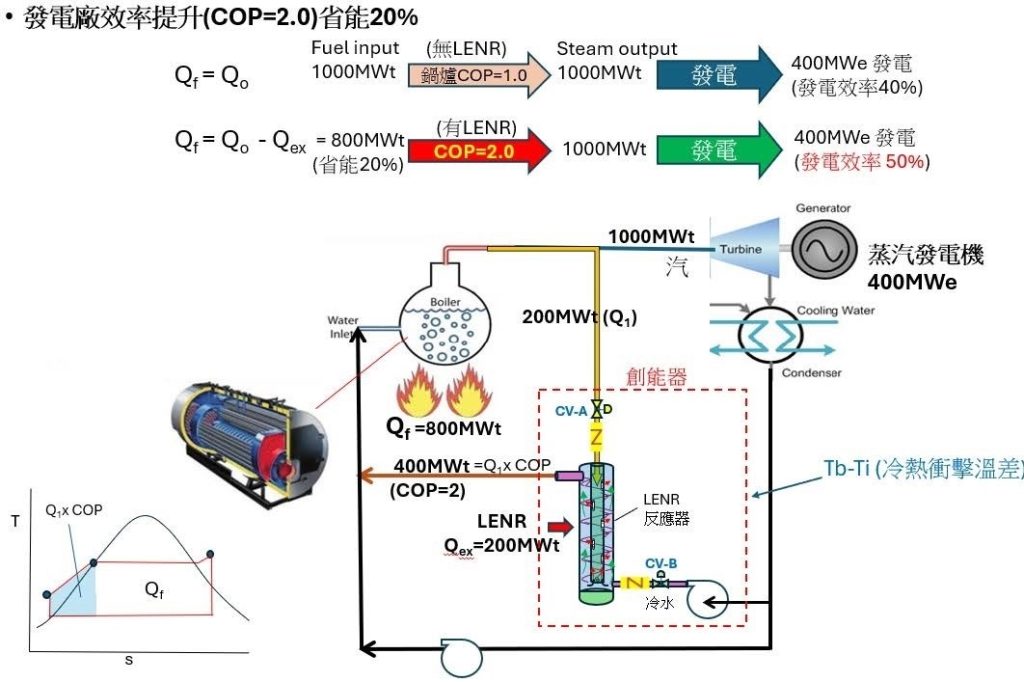
2. The Institute for Cross-Domain Technology Industry Innovation, in collaboration with the Jiangling Group, announced a breakthrough in “Cold Fusion Technology” in 2024. This technology uses water as fuel and can conduct nuclear reactions at low temperatures, eliminating nuclear pollution. It holds promise for applications in energy conservation, carbon reduction, and the medical field.
Cold fusion technology can be used for energy conservation and carbon reduction in power plants, making the dream of generating electricity from water a reality.
3. Through the NTNU Industry Liaison Center, the “AI Cross-Disciplinary Innovation Matchmaking Conference” actively promotes industry-academia collaboration both within and outside the university, driving the innovative application of low-carbon and sustainable technologies. The event focuses on the precise application of AI, renewable energy technologies, and cross-disciplinary industrial innovation research, bringing together experts, scholars, and industry partners to discuss the application prospects of AI in improving energy efficiency and reducing carbon emissions. Through technology sharing and business transformation exchanges, the event assists enterprises in adopting smart and low-carbon solutions, showcasing the university’s key role in promoting the practical application of AI technology and low-carbon energy innovation, and fostering sustainable industrial development and technological upgrades.
The NTNU Industry-Academia Alliance Open Website – “AI Cross-Domain Innovation Matchmaking Conference” invites industry professionals to discuss AI technology, renewable energy technology, and cross-domain technology industry innovation research.
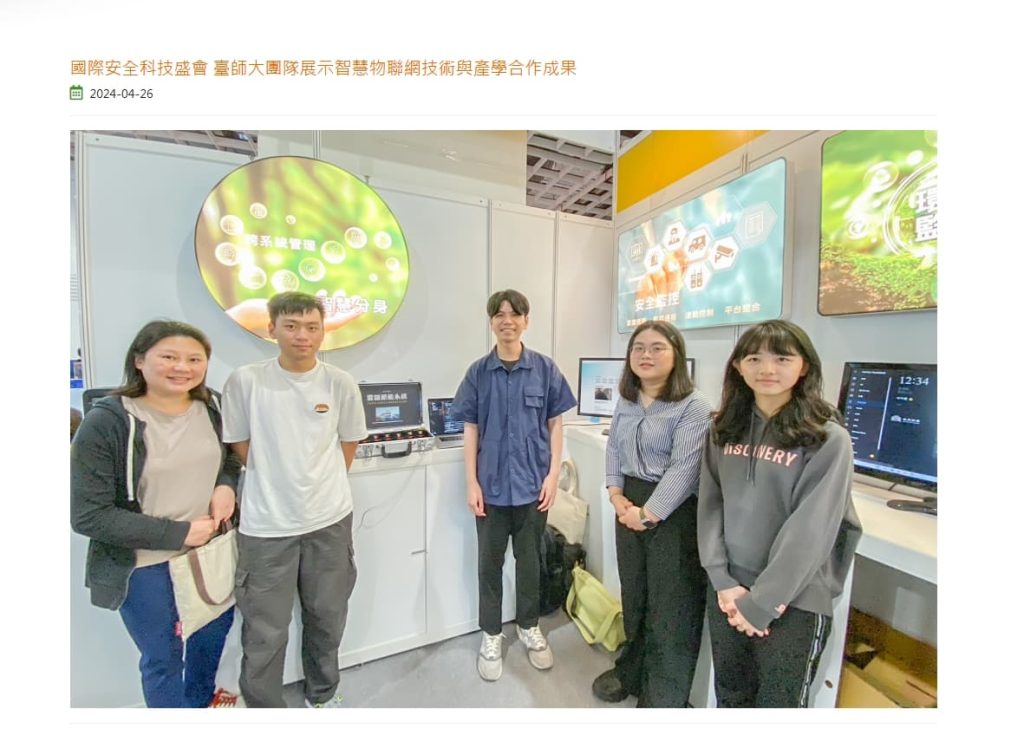
4. Professor Yun-Cheng Tsai’s team from the Department of Technology Applications and Human Resource Development at NTNU participated in the “Secutech 2024 25th Taipei International Safety Technology Application Expo.” The expo’s theme was “Intelligent Safety Automation, Smart Operations Management.” They showcased their industry-academia collaboration with “Science City Corporation,” demonstrating the application of AI and IoT (AIoT) integration technologies in real-time home care and energy conservation and carbon reduction in residential buildings. In the future, they will continue to use these innovative low-carbon technologies to help more companies with their digital transformation, strengthen corporate resilience, and move towards sustainable development for society as a whole.
A team from the Department of Technology Application and Human Resource Development at National Taiwan Normal University has applied integrated AI and IoT (AIoT) technologies to real-time home care and energy conservation and carbon reduction in residential buildings.