

1.3.1 Bottom financial quintile admission target
NTNU has established specific targets and admission pathways to admit students from economically disadvantaged backgrounds, including those from the lowest 20% of household income groups in the country. These groups include students from low- and middle-low-income households, those eligible for the Ministry of Education’s Financial Aid Program for Disadvantaged Students, and students facing financial hardship due to special family circumstances. Through the Morning Light Dual-track Admission program, NTNU provides 54 prioritized admission places each year and uses group-based recruitment to broaden the selection pool, supporting economically disadvantaged applicants. In the 2023-2024 academic year, NTNU offered a total of 466 additional admission quotas for students from economically or culturally disadvantaged backgrounds, representing 17% of all first-year students. NTNU will continue to expand targeted admission pathways to ensure greater access and opportunities for students from the lowest-income households.
NTNU Morning Light Program
- Establishment of the “‘Morning Light Dual Pathways Admission”.
Morning Light 1.0: Each department gives priority admission to 1–2 students from economically disadvantaged backgrounds. Eligible applicants include students from low-income households, lower-middle-income families, or families facing special circumstances.
Morning Light 2.0: NTNU created five Morning Light admission groups, lowering entrance exam thresholds to ensure admission opportunities for economically or culturally disadvantaged students. This friendly admission policy promotes educational equity and social justice. Eligible applicants include students from low-income or lower-middle-income households, families with special circumstances, and children of new immigrants.
- Comprehensive post-admission support
After enrollment, NTNU provides a full range of life, academic, career, and overseas learning counseling to enhance disadvantaged students’ problem-solving, academic, and employment skills as well as global perspectives. The target groups include students from low-income and lower-middle-income households, families with special circumstances, Indigenous students, students with disabilities and their children, and students supported by the Ministry of Education’s assistance schemes for disadvantaged students.
Admission quotas and student numbers (Academic Years 2021–2024)
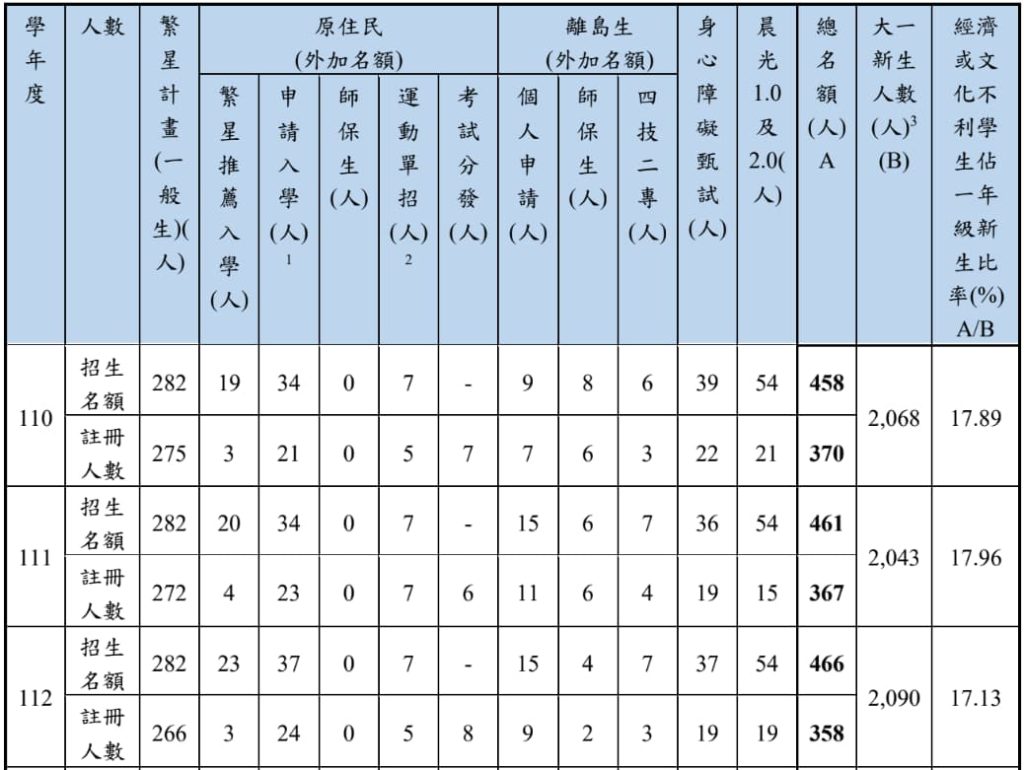
NTNU’s undergraduate programs have implemented the “Morning Light Dual Admission Pathway,” including Morning Light 1.0 (priority admission for economically disadvantaged students) and Morning Light 2.0 (admission for economically or culturally disadvantaged students and children of new immigrants), with 54 priority admission slots each year. The Morning Light 2.0 program, launched in 2022, expanded admission categories to increase the number of disadvantaged applicants passing the first-stage screening. The number of admission quotas for economically or culturally disadvantaged students increased from 458 in 2021 to 471 in 2024. Over the past three years, students admitted through this pathway have accounted for more than 17% of total undergraduate enrollment each year.
1.3.2 Bottom financial quintile student success
NTNU upholds the principle of “No one left behind,” ensuring that no student is hindered from completing their studies due to financial hardship. To achieve this goal, NTNU provides diverse learning and support services to help economically disadvantaged students complete their studies. NTNU also tracks graduation outcomes annually for low-income students. In the 2023-2024 academic year, 160 low-income students successfully graduated, and only 0.26% suspended their studies due to financial difficulties, reflecting the university’s strong commitment to leaving no student behind.
Students-on-Leave due to financial difficulties in the semester of fall 2023 and spring 2024
Fall 2023 | Spring 2024 | |
Undergraduate | 7 | 5 |
Graduate student | 41 | 32 |
1.3.3 Low-income student support
NTNU provides comprehensive support for students from low-income families to ensure they can successfully complete their studies. Low-income students can apply for a Living Assistance Grant, which offers basic support for daily expenses and food, with 300–330 grants per semester (150–200 in summer), each providing NTD 6,000 per month. NTNU also waives registration fees for medical visits and provides free on-campus housing subsidies to secure students’ basic living needs. In addition, NTNU offers free short-term laptop loans and academic tutoring services to assist low-income students in their learning and coursework.
NTNU Living Assistance Grant
Purpose:
In accordance with the Ministry of Education’s “Financial Aid Program for Disadvantaged Students in Universities and Colleges,” this program provides financial assistance to economically disadvantaged students enrolled at National Taiwan Normal University (NTNU). It also encourages students to participate in on-campus service-learning activities that are non-remunerative, aiming to broaden their learning experiences and cultivate independence and self-reliance.
Eligibility:
Current NTNU students (excluding in-service program students) whose previous semester GPA is 1.70 or above (freshmen and transfer students are exempt; returning students use their most recent GPA) and whose family financial condition meets one of the following criteria:
- For undergraduate students, the total annual household income (including the student, parents, or guardians) from the previous year must not exceed NT$900,000; for master’s and doctoral students, not exceeding NT$700,000. Interest income must be below NT$20,000.
- Students who experience unexpected financial hardship or family emergencies, as verified and recommended by their advisor.
Funding Source and Amount:
The grant is funded by student public funds and incentive allocations.
- Each eligible student receives NT$6,000 per month.
- Priority is given to students with lower family income, greater financial need, or lower year level, in the following order:
- Undergraduate students
- Undergraduate students extending their studies
- Graduate students (Master’s and Ph.D.)
- Students who have not yet completed their service-learning requirement
Application Schedule:
Applications are accepted three times each academic year:
- 1st semester: Apply in September; distributed from September to January.
- 2nd semester: Apply in February; distributed from February to June.
- Summer term: Apply in June; distributed from July to August (graduating students are not eligible for summer grants).
NTNU Laptop Loan Program for Economically and Culturally Disadvantaged Students
Purpose:
To support students who have academic learning needs but lack access to personal laptops due to economic or cultural disadvantage, NTNU provides a short-term laptop loan service to help maintain their learning outcomes.
Eligibility:
Current NTNU students who require a laptop for academic purposes and meet one of the following criteria may apply:
- Students from low-income or lower-middle-income households, children or grandchildren of families in special circumstances, students with disabilities, children of persons with disabilities, or Indigenous students.
- Students who meet the Ministry of Education’s criteria for “financially disadvantaged students.”
- Students (including international students) from regions with relatively limited educational and cultural resources.
Students verified by their advisor or related units as having financial hardship.
Application and Review:
- Regular application periods: February 1 and August 1 each year. Eligible applicants receive laptops after review.
- Ad hoc applications: If laptops remain available after the regular allocation, students may apply anytime and receive immediate review and distribution.
Application Process:
Applicants must submit a “Laptop Loan Application Form” along with supporting documents, signed by their advisor, to the Office of Student Affairs for processing.
Usage Period:
Loans are typically for one semester, with early return possible depending on evaluation of use and need.
Review Mechanism:
A review committee convenes monthly, chaired by the Dean of Student Affairs and composed of the heads of the Student Assistance Division, Counseling Center, Mentorship Office, and Career Development Center. The committee evaluates applications based on eligibility, academic need, and available resources.
Priority in Case of Shortage:
If demand exceeds supply, priority is given in the following order:
- Low-income or lower-middle-income students
- Students with disabilities or children of persons with disabilities
- Indigenous students or those from families in special circumstances
- Financially disadvantaged students recognized by the Ministry of Education
- Students from regions with limited cultural resources
- Students identified by advisors as having urgent need
Applicants who cannot be immediately accommodated are placed on a waiting list for future allocation.
1.3.4 Bottom financial quintile student support
NTNU provides various scholarships and financial aid programs to support students from the bottom 20% of household income group in successfully completing their studies. Examples include the Disadvantaged Student Scholarship, and Dream Takeoff Scholarship, all of which are awarded based on verified family financial conditions. These scholarships cover tuition and provide living allowances to ensure that economically disadvantaged students can complete their studies without financial burden.
NTNU Comprehensive Student Support Program for Economically Disadvantaged Students (Academic Year 2023–2024)
Category | Number of Beneficiaries | Amount (NT$) |
Tuition and fee waivers | 1,604 | 28,122,456 |
Disadvantaged student grants | 175 | 2,990,000 |
Student loans | 2,256 | 68,396,793 |
Housing subsidies | 181 | 1,914,960 |
Living assistance grants | 3,591 | 21,471,000 |
University and external scholarships | 10,787 | 72,729,040 |
Student group insurance | 497 | 11,952,621 |
Emergency relief funds | 74 | 1,683,767 |
Total | 19,165 | 209,260,637 |
To support students from the lowest income quintile and ensure equal access to education, NTNU has established a comprehensive Student Financial and Welfare Support Scheme, which integrates multiple forms of assistance. Helping low-income students improve their living conditions, reduce financial pressure, and enhance their learning opportunities.
1.3.5 Low or lower-middle income countries student support
NTNU has established several support schemes for students from low and lower-middle income countries to help them successfully complete their studies in Taiwan. These include the Taiwan Scholarship Program, jointly offered by the Ministry of Education (MOE) and the Ministry of Foreign Affairs (MOFA), which provides full or partial tuition waivers and living stipends, and the MOE New Southbound Elite Scholarship Program, which supports Southeast and South Asian lecturers pursuing master’s or doctoral degrees in Taiwan. In the 2023-2024 academic year, five Vietnamese students benefited from the MOE/MOFA Taiwan Scholarship and New Southbound Elite Scholarship, while an additional 116 overseas Chinese students from Vietnam (9), Indonesia (37), and Myanmar (70) received financial support through the Overseas Chinese Student Scholarship. Relevant information is available on the website of the Office of International Affairs.
List of Scholarships for International Students
Taiwan Scholarship Program | MOE New Southbound Elite Scholarship Program | TNU Foreign student scholarships |
Ministry of Education •Living allowance: NT$15,000-20,000/month •Tuition and fee reduction: Up to NT$40,000/semester Ministry of Foreign Affairs • NT$33,000/month | Living allowance: NT$25,000/month | Bachelor’s Degree: Tuition and miscellaneous fees waived per semester. Master’s & Doctoral Degree: Tuition and miscellaneous fees waived based on the base amount and basic credit hours per semester. |
1.4.1 Local start-up assistance
NTNU Innovation and Incubation Center actively provides assistance to the local community by supporting start-ups and entrepreneurship initiatives, including those led by financially or socially excluded individuals. The center offers free access to essential resources and facilities for business and product innovation, along with mentorship and consultation services covering areas such as R&D for start-ups, project proposal applications, and patent licensing. It also regularly hosts industry seminars, start-up networking events, and investor matching activities to foster inclusive entrepreneurial growth.
National Taiwan Normal University Industry–Innovation Incubation Base Guidelines
To promote the value-added application of NTNU’s research achievements, foster university-derived enterprises, and cultivate industrial talent to advance technological innovation, NTNU established the Industry–Innovation Incubation Base.
Eligibility:
Teams led by full-time NTNU faculty members may apply. The teams must aim to promote innovative industrial products or technologies with the goal of developing university spin-offs or cultivating talent for industry employment.
Review Criteria:
- Innovation and uniqueness of the team’s core technology or product.
- The project leader’s past achievements in academia–industry collaboration or related projects.
- The team’s operational plan for incubation.
- Expected outcomes, including commercialization of R&D results, patent applications, technology transfer, industry collaboration, applications for R&D projects, talent cultivation, or establishment of spin-off enterprises.
Support and Resources:
- Incubation Space: Teams selected through evaluation by the Incubation Center may sign an agreement to access on-campus incubation offices, with a 50% discount on the incubation service fee for the first year and 20% off from the second year onward. Projects with total funding exceeding NT$5 million and at least 15% allocated for administrative management may apply for a full fee waiver.
- Equipment Access: Preferential rental of NTNU’s advanced instruments.
- Innovation and R&D Mentorship: Industry consultation, technical enhancement, and product development guidance.
- Project Application Guidance: Assistance in applying for relevant innovation and start-up programs.
- Networking Events: Regular industry seminars and start-up networking activities.
- Patent and Technology Transfer Support: Assistance with patent applications and commercialization of key technologies.
- Entrepreneurship Consulting: Advisory services and start-up mentoring.
- Investment Linkage: Support for investment review through NTNU Innovation Holdings Co., Ltd., and connection to external venture capital and angel investors.
Management:
Incubated teams must actively participate in entrepreneurship mentoring activities organized by the Office of Research and Development, submit quarterly progress reports, and provide a final report and presentation before the end of the incubation period. In cases of legal violations by team members, NTNU reserves the right to terminate the incubation agreement.
1.4.2 Local start-up financial assistance
NTNU established the first university-affiliated industry-academia investment holding company in Taiwan — NTNU Innovation Investment Holding Company (NII Capital) — to provide financial assistance and investment for innovative start-ups with positive social impact, including those led by financially or socially excluded entrepreneurs. Through NII Capital, NTNU combines academic and industrial resources to mentor start-up teams and, with its diverse shareholder network, offers practical business expertise and resource integration to enhance entrepreneurial success and foster a sustainable start-up ecosystem. For example, NII Capital invested NTD 30 million in Lion King Smart Sports Co., a university spin-off focusing on smart sports technology, transforming NTNU’s research outcomes in sports science into practical applications and commercial development.
Investment in NTNU Innovation Holdings Co., Ltd. (NII Capital)
Purpose and Function:
NII Capital serves as NTNU’s innovation investment platform. It provides financial assistance and equity investment to start-ups originating from NTNU’s academic ecosystem, helping transform faculty and student research outcomes into real-world applications and viable businesses. Through capital infusion and resource integration, NII Capital bridges academia and industry, becoming NTNU’s hub for innovation incubation and entrepreneurship.
Commercialization of Research Outcomes:
NII Capital focuses on the commercialization of differentiated R&D results from NTNU faculty and students. By introducing corporate resources, the company assists research teams in transforming their technological or creative outcomes into marketable products and sustainable enterprises.
Entrepreneurship Guidance and Resource Integration:
NTNU connects its entrepreneurship education programs with NII Capital’s investment initiatives to mentor local start-up teams. The diverse shareholder structure enables collaboration across multiple industries, providing practical business experience, technology transfer opportunities, and operational guidance that enhance start-up success rates and cultivate a thriving innovation ecosystem.
Operation Guidelines:
- The Office of Research and Development reviews NTNU’s investment proposals and submits them for approval to the University Fund Management Committee.
- NTNU appoints board directors and supervisors to NII Capital based on its shareholding proportion.
- Faculty serving as NII Capital board members comply with NTNU’s regulations on concurrent positions and conflict of interest.
- Quarterly, NTNU’s appointed directors report on investment performance and operational results to the University Fund Management Committee, providing meeting records and financial statements.
- The Office of Research and Development consolidates R&D results and provides them to NII Capital for investment assessment.
- University-derived start-ups invested by NII Capital are managed under the “Implementation Regulations for NTNU University Spin-offs.”
Example of Supported Start-up: Master Smart Exercise Co., Ltd.
- Background: A start-up invested by NII Capital, dedicated to translating NTNU’s sports science research into commercial applications.
- Goals:
– Develop an intuitive brand for sports science analytics.
– Create intelligent tools for quantifying and improving athletic performance.
– Simplify professional analysis tools for everyday users, making sports science accessible to the public.
- Expertise: The team consists of professionals in education, sports science, and technology industries, with a strong record of academic–industrial impact. It evolved from NTNU’s biomechanics laboratory into a fully operational smart sports enterprise.
Through this mechanism, NTNU provides direct financial support, incubation, and commercialization pathways for local start-ups, demonstrating its long-term commitment to sustainable innovation and local economic development.

NII Capital invests NT$30 million in ” Master Smart Exercise Co., Ltd.”, a university spin-off company related to the development of smart sports. The aim is to transform NTNU’s sports science research results into practical applications and commercial operations, and to develop a diversified sports science platform.
1.4.3 Programmes for services access
NTNU organizes programmes to improve access to basic health and psychological services for elderly individuals, especially those from low socioeconomic backgrounds. NTNU implements the “Ecosystem-Based Psychological Counseling for Elderly Care” project, which provides health education, health promotion resources, and psychological care for disadvantaged seniors and their families. In addition, NTNU conducts meal delivery and care programmes for homeless and low-income elderly residents in the Wanhua District, offering both nutritional support and emotional counseling. These initiatives integrate psychological support with daily life needs, creating a friendly and sustainable ecosystem for elderly mental health services.

NTNU collaborated with the “Do You a Flavor” social welfare organization to conduct two community service events under the “Restoration Station” and “Stone Soup Project” initiatives. These programs serve 120 underprivileged and disadvantaged elderly people, with 30 teachers and students participating. The events included mental health education, stress relief, and meal delivery, integrating psychological support into practical life needs and providing tangible assistance to underprivileged elderly people in the Wanhua area, embodying the project’s spirit of “connecting community resources and eliminating inequality.”
1.4.4 Policy addressing poverty
NTNU’s Role in Shaping National Lifelong Learning Policies to Reduce Poverty
Professor Te-Yung Chang from the Department of Adult and Continuing Education, National Taiwan Normal University (NTNU) participated in the formulation of the Ministry of Education’s “White Paper on Learning Society” and the “Medium-Term Development Plan for Lifelong Learning.” These national policy frameworks were designed to promote equitable access to education and create sustainable pathways for poverty reduction through lifelong learning.
Under the Ministry of Education’s commission, NTNU established the Project Office for the Medium-Term Development Plan for Lifelong Learning, responsible for:
- Developing and coordinating national lifelong learning policies and regulations.
- Organizing academic and professional activities to promote policy implementation.
- Collecting and analyzing key performance indicators (KPIs) from government agencies and local authorities to assess policy outcomes.
The project outlines six strategic pillars—policy planning, professional training, learning resource expansion, learning pathway development, cross-sector collaboration, and international alignment—implemented through 17 action plans and 56 specific strategies.
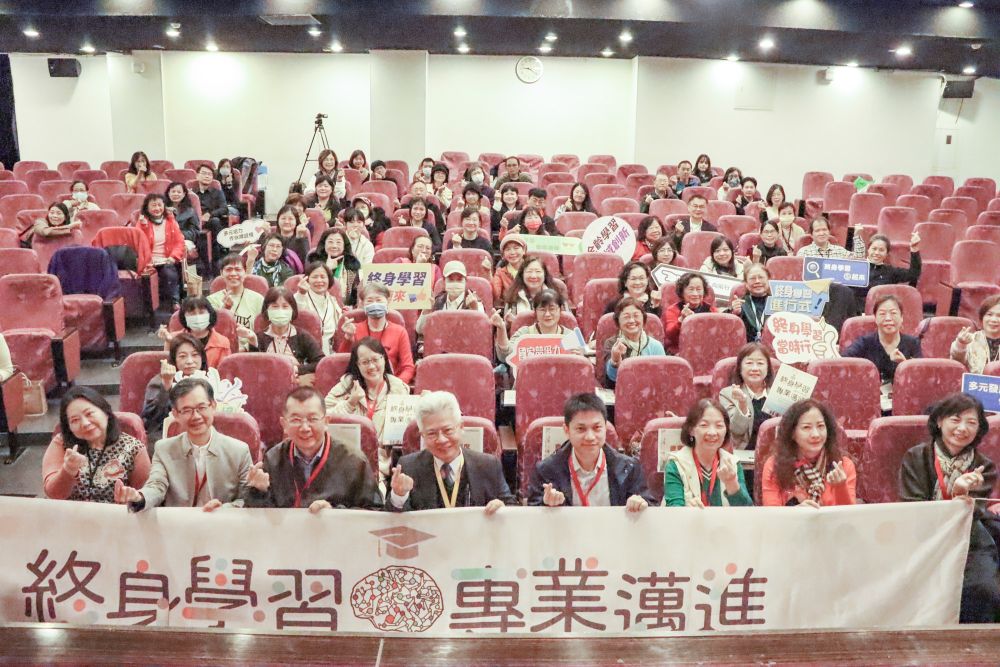
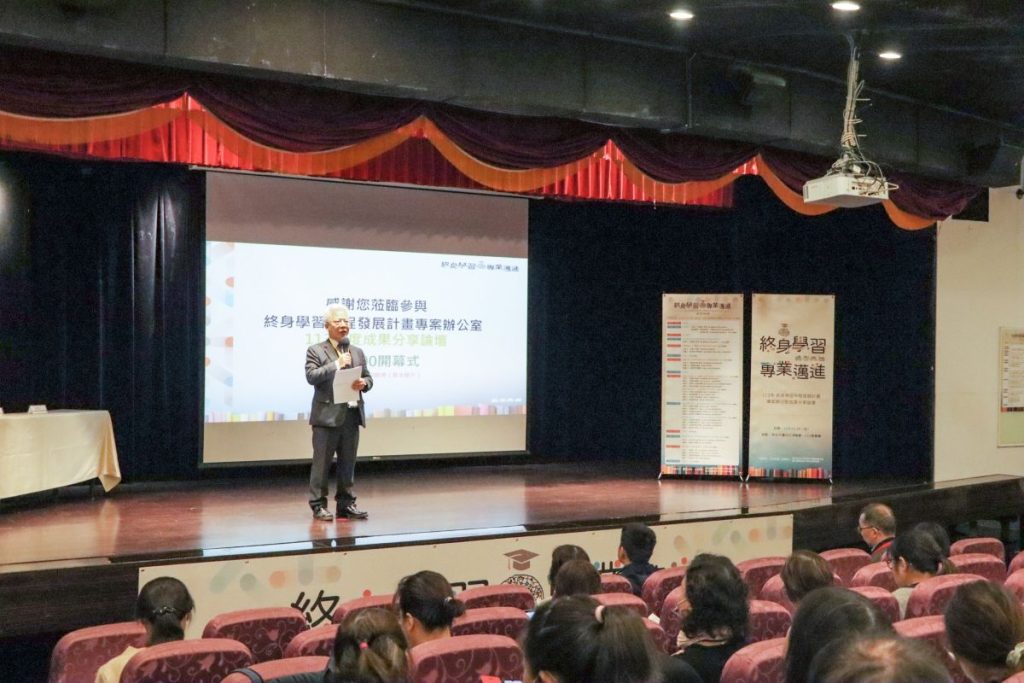
In 2024, NTNU hosted the Lifelong Learning Achievement Forum, themed “Advancing Professionalism through Lifelong Learning,” which gathered experts and policymakers to evaluate policy effectiveness and strengthen academic–practical integration. Through its leadership in policy design and implementation, NTNU directly supports the national agenda for inclusive education, social empowerment, and poverty alleviation.