-1.jpg)
-768x573.jpg)


The university is committed to promoting ecological conservation and sustainability education. The documentary “Wild Wetlands” was produced in 2023 with support from the National Science and Technology Council (Director: Feng Jen-Lung; Project Principal Investigator: Professor Fang Wei-Ta). Filmed over ten years, the documentary captures wetland ecosystems across Taiwan—from high mountain regions to coastal wetlands—telling the stories of the relationships between people and the species that inhabit these environments. The film aims to showcase the beauty of Taiwan’s natural ecology and to raise public awareness of environmental conservation.
The English promotional trailer for the documentary was screened at the 2023 Society of Wetland Scientists (SWS) Annual Meeting in the United States and at the 2023 SWS Asia Chapter Conference in South Korea, with narration by BBC journalist Richard O’Connor. The trailer received the “Best of Best Award”, jointly presented by the Ramsar Regional Center – East Asia and the Asian Chapter of the Society of Wetland Scientists, marking a significant international recognition.
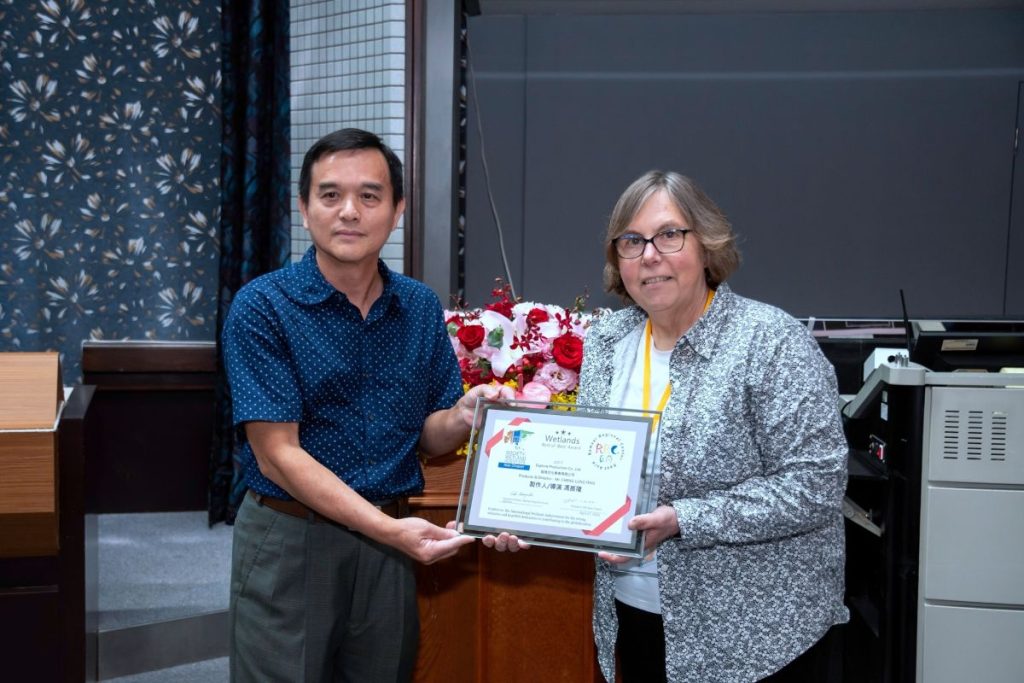
The ecological documentary “Wild Wetlands,” produced by NTNU with funding from the National Science and Technology Council, received the “Best of Best Award” from an international wetland organization. Director Feng Jen-Lung (left) accepted the award on behalf of the team. (Photo credit: Chiang Yi-Te, alumnus of the Graduate Institute of Sustainability Management and Environmental Education)
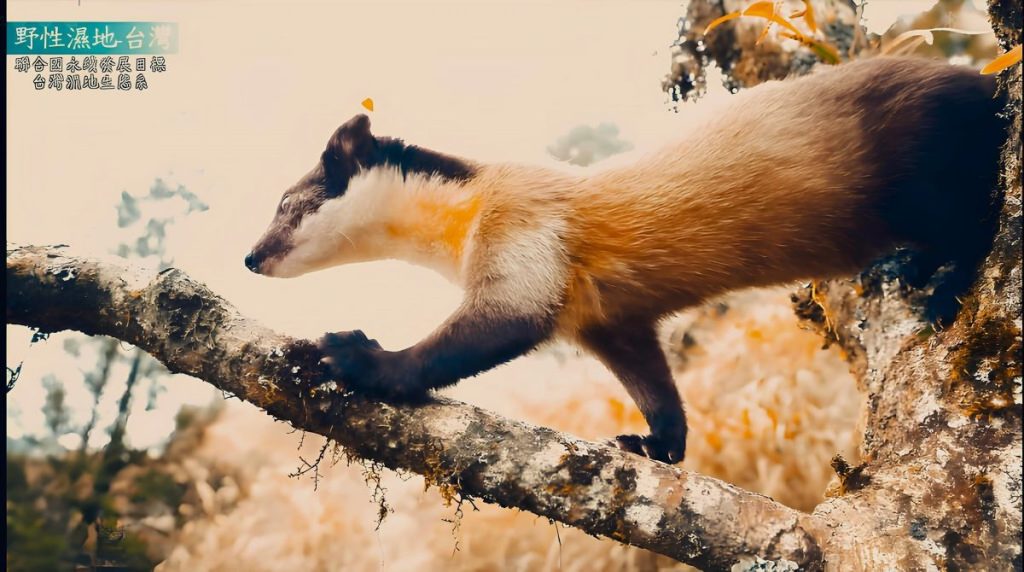
The documentary Wild Wetlands features rare footage of many protected species in Taiwan (pictured: Yellow-throated marten).
The university is committed to promoting healthy and sustainable dietary habits on campus. To encourage plant-based and low-carbon eating, the university organizes sustainable vegetarian promotion activities, has developed a Campus Vegetarian Dining Map for students and faculty, and actively encourages on-campus food service vendors to offer low-carbon vegetarian menu options.
In addition, the university specifies in the bidding guidelines for outsourced dining services that the food and ingredients provided must prioritize the following products:
Traceable agricultural products promoted by the central agricultural authority, such as:
Taiwan Organic Agricultural Product Label
Traceable Agricultural Product (TAP) Label
Certified Agricultural Standards (CAS) Label
Agricultural, livestock, or aquatic products with production traceability QR codes
The use of genetically modified fresh ingredients and their primary processed products is strictly prohibited.
The university has fully implemented ingredient source registration for all campus dining services and was selected as a demonstration school when the Ministry of Education launched the national campus food ingredient traceability platform. Statistics show that over 95% of ingredients used on campus are traceable, and over 90% of pork products are locally sourced. Among the 25 campus dining facilities, 10 provide low-carbon vegetarian meals, accounting for 40% of all campus restaurants.
A healthy and high-quality diet is closely linked to the physical and mental well-being of the public, while cultivating environmentally friendly crops helps ensure the long-term sustainability of the planet. In recent years, Taiwan has actively promoted food and agricultural education to strengthen the connection between diet, the environment, and agriculture, and officially passed the Food and Agriculture Education Act in 2021.
Our university plays a key role in advancing food and agricultural education within the school system. Professor Lin Ju-Ping of the Department of Human Development and Family Studies has been one of the major contributors behind these efforts. She has served as a review committee member for the Ministry of Agriculture’s Food and Agriculture Education Promotion Project since 2018, and as a member of the Food and Agriculture Education Promotion Council since 2022.
Commissioned by the Ministry of Agriculture, she has integrated food and agricultural education into the 12-Year National Basic Education Curriculum and authored tailored instructional manuals for school teachers. These materials provide lesson plans and teaching guidelines to support schools at all levels in practicing resource sustainability and environmentally friendly dietary behaviors in everyday food consumption.
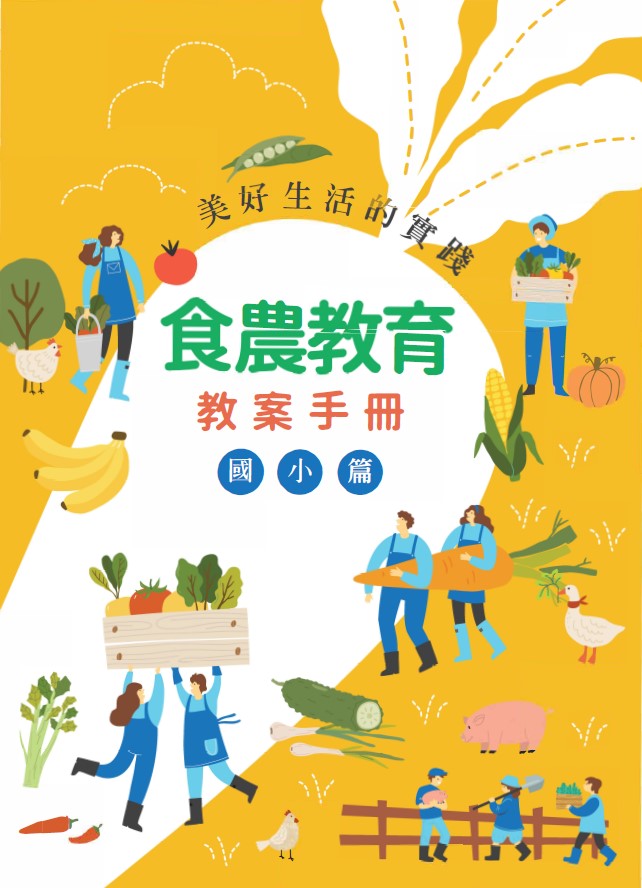
Food and Agricultural Education Teaching Manual edited by Professor Lin Ju-Ping of our university.
The Department of Life Science at our university has been engaged in the monitoring and conservation of the endangered Eurasian otter (Lutra lutra) in Kinmen, led by Professor Shou-Hsien Li. Research has shown that the Eurasian otters found in Kinmen represent one of three genetically distinct lineages across the Eurasian continent. One lineage is distributed in northern Eurasia, while the other two are located in southern East Asia, specifically southern China and Kinmen.
These three lineages exhibit both genetic and geographical differentiation and should therefore be treated as separate conservation management units. Although the Kinmen otter population occupies a relatively small geographic area, it retains genetic diversity comparable to the other two groups and does not show signs of inbreeding-related genetic bottlenecking. The population also exhibits unique genetic characteristics, meaning that introducing individuals from other lineages for population increase would be inappropriate and could jeopardize genetic integrity.
This research has been published in the international journal Evolutionary Applications, and serves as an important scientific basis for future conservation planning and management of the Eurasian otter population in Kinmen.
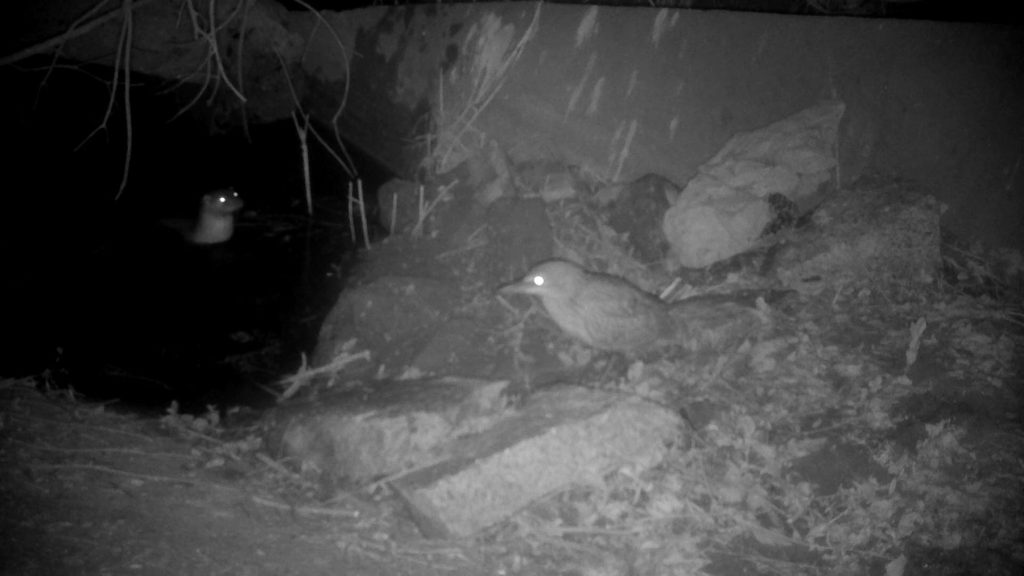
A Eurasian otter in Kinmen confronting a wild bird (Photo source: Kinmen County Government).
The university has three campuses: Hopin (He-Ping) and Gongguan in Taipei City, and Linkou in New Taipei City. The Taipei campuses cover approximately 22 hectares in total. Although located in the urban center with limited space, all non-building and non-sports areas on campus are designated as green spaces. Mature trees are preserved, diverse vegetation is planted, and chemical pesticides are prohibited, providing a safe and friendly habitat for urban wildlife.
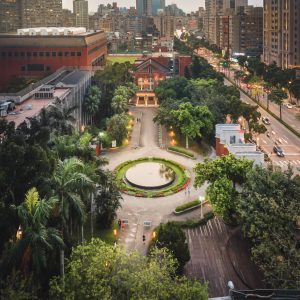
For example, the Hopin Campus features the Roman Plaza, Sunlight Avenue, and the Vienna Forest, where lush trees, lawns, and landscaping create green oases within the city, helping regulate the microclimate and offering high-quality leisure environments.
The Gongguan Campus includes the European Garden and an artificial wetland. The wetland system is designed to purify campus domestic wastewater for reuse and serves as a rare ecological sanctuary in the urban area. The site contains more than 50 species of trees, shrubs, flowering plants, and aquatic vegetation, and hosts a high diversity of insects, birds, and amphibians. It is a tranquil, thriving habitat and an important refuge for urban wildlife. The wetland is also a key environmental education site, maintained by the student-run ECO Group of the Institute of Environmental Education (now the Graduate Institute of Sustainability Management and Environmental Education). Since 2006, the site has been recognized as a UN Decade of Education for Sustainable Development Demonstration Base.
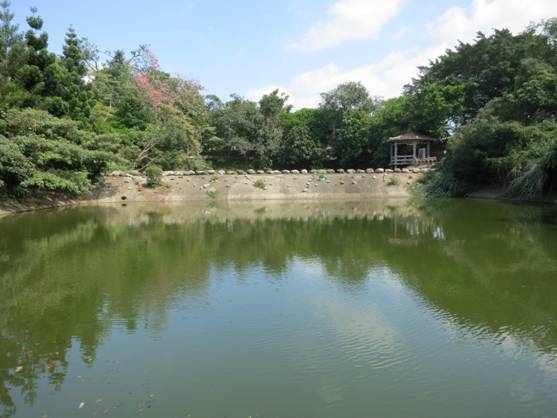
The Linkou Campus covers approximately 32 hectares and is developed with a multi-layered ecological greening concept to increase habitat availability and biodiversity. Upon entering, visitors encounter shaded walkways and expansive lawns, along with water features such as a lotus pond, central garden, and artificial lake, which provide habitats for aquatic and terrestrial species. With 43% green coverage, the campus is often referred to as “NTNU’s Secret Garden.”
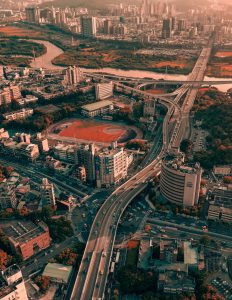
The Hopin Campus is a rare ecological oasis in the urban city.
The university also carries the mission of promoting public science education, and has long organized outreach programs focused on biology and ecological conservation. For example, the annual Life Science Exhibition offers free interactive activities, hands-on workshops, research presentations, and keynote talks to provide the public with knowledge of science and conservation, thereby strengthening environmental awareness.
For outreach targeted at younger learners, the “Lucky Bat Life Science Camp” introduces elementary school students across Taiwan to ecological concepts through biological experiments, nature exploration, and guided activities. Similarly, the NTNU Summer Life Science Camp for high school students includes laboratory courses, field ecology tours, and night-time wildlife observations, allowing students to closely experience biodiversity and learn about ecological cycles and the value of life.
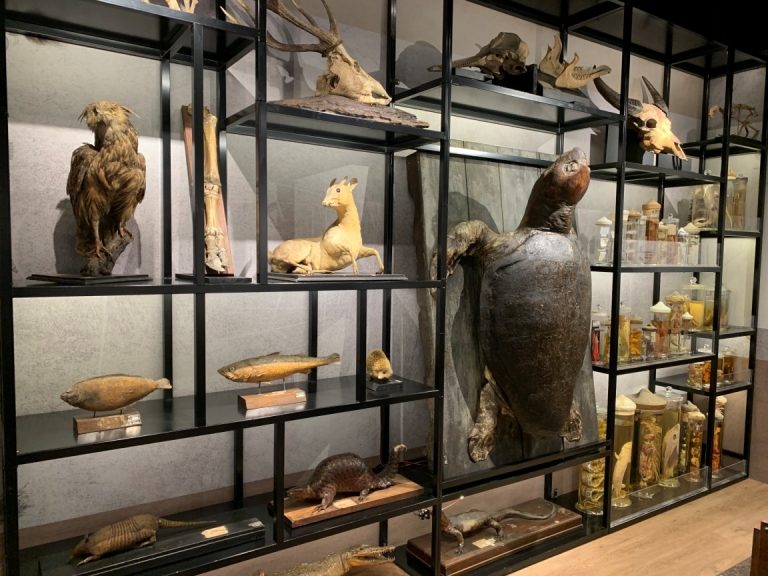
The NTNU Life Science Museum, which opened in 2022, is open to the public by free reservation. The museum displays important plant and animal specimens and archival teaching collections gathered over the years. In addition, it integrates service-learning courses by training student docents to provide guided tours, enabling visitors to better understand biodiversity conservation and the importance of sustainable use of natural resources.
The NTNU Life Science Museum displays many animal specimens collected over the years.
The university is a leading institution for teacher education in Taiwan and has long served as a major training ground for secondary school biology teachers as well as distinguished scholars in taxonomy and ecology. Since 2012, NTNU has collaborated with Academia Sinica to establish the International PhD Program in Biodiversity, focusing on research in biodiversity and evolution. This program develops a wide range of research themes and cultivates professional scholars specializing in wildlife, plant and animal taxonomy, and ecological sciences in Taiwan.
International PhD Program in Biodiversity
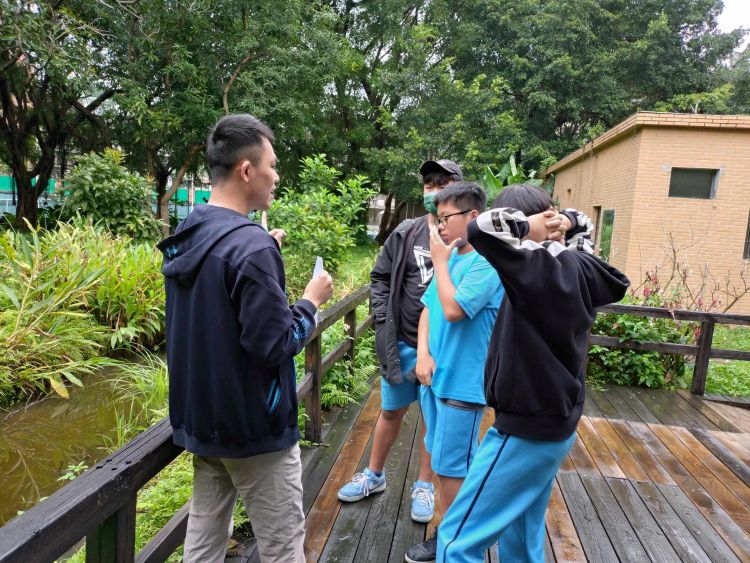
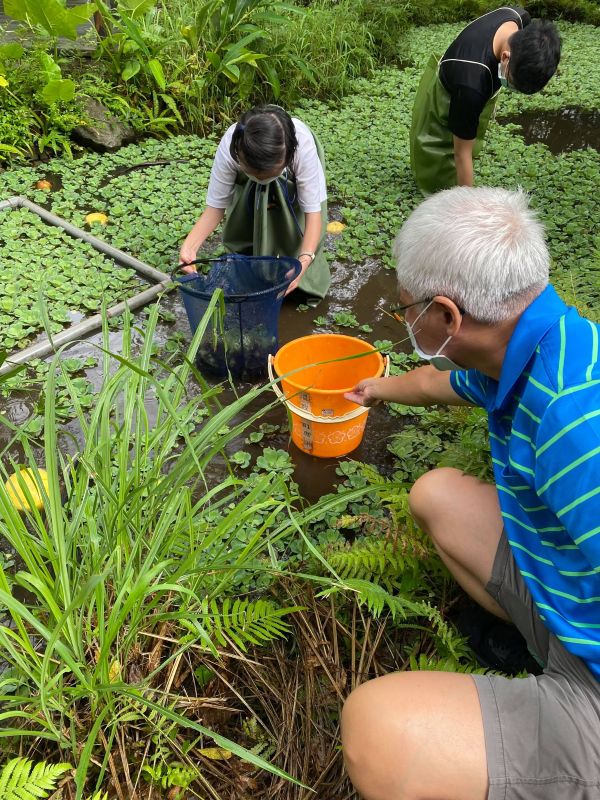
The ECO Group, formed by students of the Graduate Institute of Sustainability Management and Environmental Education, uses the wetland ecological pond on the Gongguan Campus as its primary teaching site. The group leads visiting participants to learn about wetland ecology and to develop environmental awareness.
The main participants are high-support-needs students, who typically require specialized learning environments to maintain educational engagement. The ECO Group provides an alternative learning setting different from conventional classrooms, allowing students to learn in a more relaxed and experiential way while also creating meaningful and positive life experiences.
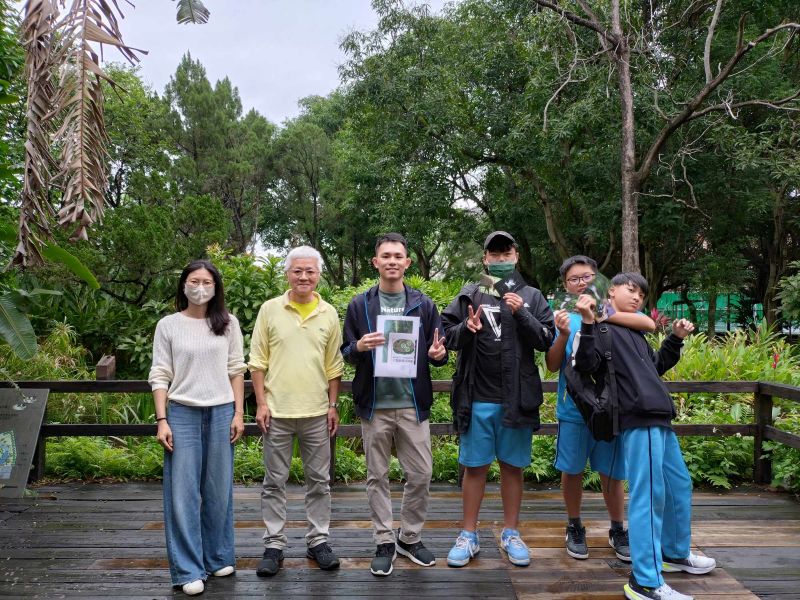
The ECO Group conducted an aquatic ecology lesson activity for students from Zhishan Junior High School.
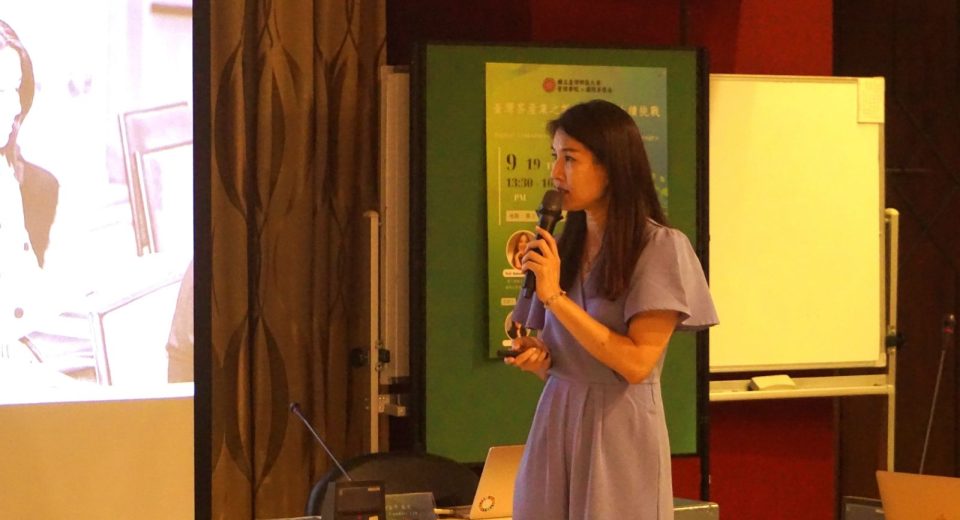
The College of Management, together with the Office of International Affairs, hosted the forum “Digital Transformation and Sustainability Challenges in Taiwan’s Tea Industry” on September 19. Three domestic and international industry professionals and scholars were invited to discuss how small and medium-sized enterprises in Taiwan’s tea industry can advance digital transformation and industrial upgrading from both practical and academic perspectives.
Lin Yi-Ping, co-founder of Taiwan Blue Magpie Tea, shared the brand’s sustainability philosophy and how digital tools are used to collect sustainability-related data in response to customer and market expectations. Centering ecological issues as its core value, Taiwan Blue Magpie Tea promotes pesticide-free and chemical-free eco-friendly farming, working to address environmental challenges faced by mid- and low-altitude farmlands in Taiwan. The company has also developed ecological agricultural brands such as “Formosan Leopard Cat Rice,” collaborating with farmers in different regions to actively advance habitat conservation and sustainable agriculture.
The forum highlighted the future direction of Taiwan’s tea industry in both digital transformation and sustainable development. By applying digital systems and AI technologies, producers can more precisely control production processes, improve product quality, and maintain competitiveness in global markets. At the same time, through alignment with the United Nations Sustainable Development Goals (SDGs) and ecological conservation practices, Taiwan’s tea industry is making significant progress toward a sustainable and resilient future.
Lin Yi-Ping, co-founder of Taiwan Blue Magpie Tea, sharing her insights.
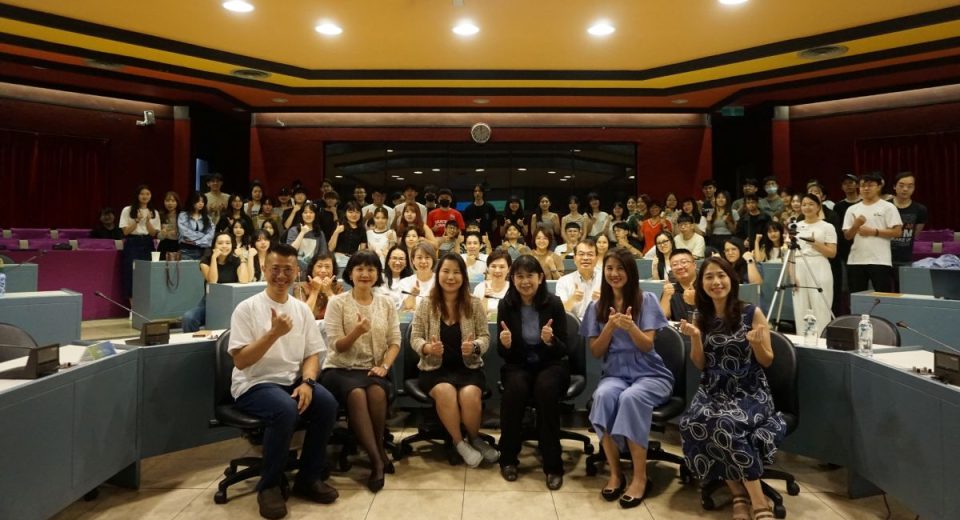
Group photo at the event.
On November 2, the Office of International Affairs (OIA) of National Taiwan Normal University (NTNU) and the China Development Foundation for Education jointly organized the “Watershed Guardianship Exploration Tour” at Taiwan Blue Magpie Tea in Pinglin District, New Taipei City. The event attracted 30 NTNU students to participate.
Professor Liu Yi-De, Director of OIA, stated that the activity not only allowed international students to gain firsthand experience of Taiwan’s traditional culture, but also encouraged them to consider how their academic expertise could contribute to local revitalization and environmental sustainability. Through intercultural dialogue and hands-on learning, students deepened their understanding of place-based development and strengthened their sense of responsibility toward environmental stewardship.
The Watershed Guardianship Exploration Tour aimed to enhance both local and international students’ understanding of ecological conservation and community-based revitalization in Taiwan, while also supporting local teams in developing environmentally symbiotic management systems and advancing sustainability education in practice.
The program opened with a creative icebreaker designed by Taiwan Blue Magpie Tea, where participants engaged in interactive quizzes to learn about Pinglin’s local ecology, including the pristine Beishi River watershed, the Formosan Reeves’ muntjac, and the Taiwan Blue Magpie, a species native to the region. The activity encouraged connection among participants and provided a natural introduction to the theme of the day.
Centered on the concept of “watershed restoration,” the event promoted the practice of pesticide-free tea cultivation and encouraged farmers within the watershed to become guardians of the satoyama landscape. Founder Huang Bo-Jun emphasized, “Only by establishing pesticide-free watersheds can we truly protect the home of all living beings.”
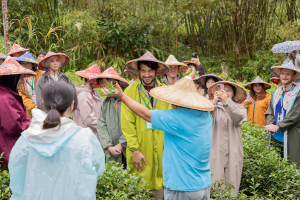
Under the guidance of local tea farmers, students walked into terraced fields and engaged in hands-on tea picking. Farmers explained the techniques involved, showing that tea picking, though seemingly simple, requires skill and experience. A friendly team competition was held to see who could pick the most tea leaves within a set time, bringing excitement and joy to the activity. Students then experienced the handcrafted processes of tea picking, pan-firing, and rolling, gaining a deeper appreciation for the value of sustainable agriculture and ecological farming practices.
Tea-picking experience for students
National Taiwan Normal University’s Linkou Campus is located on the higher elevation of the Linkou Plateau and covers 23 hectares. The campus occupies a complete and well-defined site at the edge of the plateau, featuring gently sloping terrain and well-developed infrastructure. The campus is also rich in ecological resources. The lotus pond, central garden, and artificial lake provide ample habitats for a wide variety of organisms.
To enhance ecological diversity on campus, the university has been actively improving both terrestrial and aquatic environments through multi-layered ecological greening and the planting of bird- and butterfly-attracting vegetation. Additional recreational landscape platforms have also been developed. The goal is to transform the Linkou Campus into a nature and environmental learning center and a lively ecological experience park. It is expected that this ecological campus will become a major highlight in the university’s Green University initiative.
Linkou Campus Ecological Experience Park
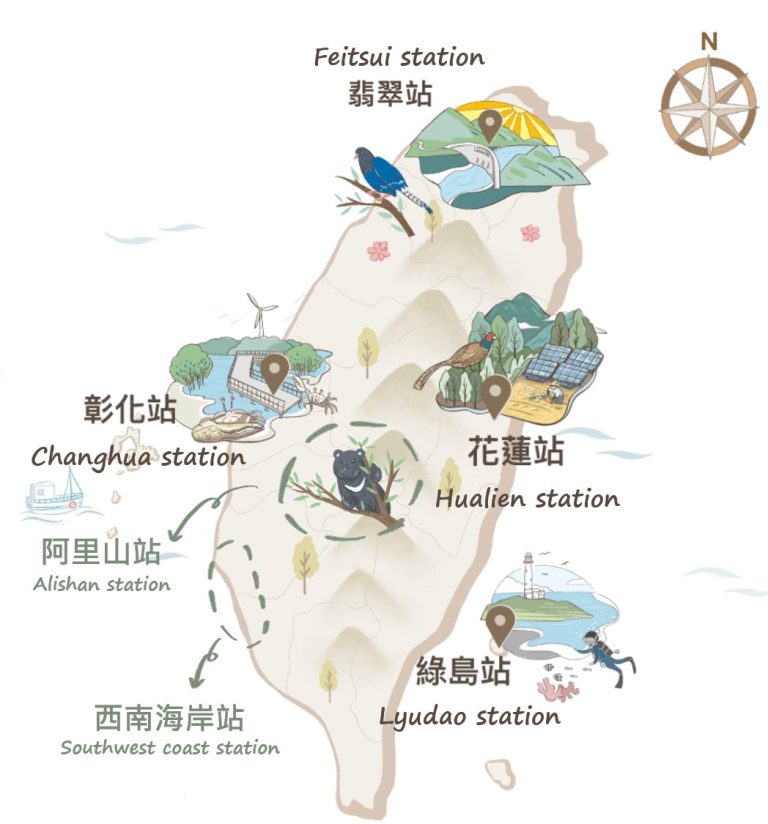
1.Professor Deng-Chiu Lin of the Department of Life Science leads the Long-Term Socio-Ecological Research (LTSER) Core Observatory Platform project. Unlike traditional ecological monitoring projects, this initiative not only emphasizes long-term research and observation but also seeks to integrate ecological systems with social systems in order to respond to the impacts of global change on socio-ecological structures. The project aims to promote a new model of long-term socio-ecological research.
Following the concept of core research infrastructure, representative socio-ecological systems across different regions are selected to establish long-term research stations equipped with fundamental monitoring facilities. Among these, the Changhua Station and Green Island Station conduct long-term monitoring of marine and intertidal environments. Additionally, interviews are carried out within local communities to gather perspectives from diverse stakeholders regarding environmental, economic, and social issues.
Locations of the six Long-Term Socio-Ecological Research (LTSER) core observatory sites
2.Although NTNU is located in an urban center and therefore does not host species listed under the IUCN Red List or Taiwan’s Protected Species List on campus, the university has never been absent from the field of biodiversity research and conservation. NTNU has long been engaged in research on key wildlife species and important terrestrial ecosystems.
For example, Professor Emeritus Lü Guang-Yang has conducted significant research on protected species such as the Yellow-throated marten (Category III protected), the Least weasel (Category III protected), and the Formosan serow (Category III protected). Since 1979, he has also led students in studying Taiwan’s five native salamander species, examining their physiology, reproduction, and ecology, while carrying out long-term monitoring to protect these species—each highly vulnerable to habitat destruction and global warming. He is therefore widely recognized as the “Father of Taiwan’s Salamanders.”
These five salamander species are all endemic to Taiwan and inhabit high-altitude mountain regions. According to the 2017 Red List of Taiwan Amphibians:
The Nanhu Salamander is classified as Critically Endangered (CR).
The Formosan Salamander, Chunan Salamander, and Guanwu Salamander are classified as Endangered (EN).
The Alishan Salamander is classified as Vulnerable (VU).
All are ecologically significant conservation species within Taiwan’s mountain ecosystems.
Professor Lü Guang-Yang discovering a salamander along a mountain roadside.
The university’s institutional development plan prioritizes the goal of becoming a Green University. In campus development and construction projects, all new buildings comply with government regulations and follow the Taiwan Green Building Certification Standards issued by the Architecture and Building Research Institute. One of the key indicators in the Green Building system is biodiversity, which requires buildings to incorporate diverse vegetation and water-retention features to enhance flood buffering capacity and prioritize ecological considerations in design.
For example, Dormitory No. 2, located along the Xindian River, was designed with the riverside landscape and green corridor integrated into the living environment. The selection, area, and planting conditions of vegetation were designed to meet the green coverage requirements of the Green Building Assessment, earning the building a Silver Candidate Certificate in the Green Building Certification system.
Similarly, the International Student Residence, which began construction in 2023 in the Greater Taipei metropolitan area, maximizes green space through the use of multi-layered shrubs, climbing plants, and slope vegetation. This design not only enhances the beauty of the urban campus but also supports biodiversity conservation as an integral part of sustainable campus development.
Dormitory No. 2 incorporates the riverside landscape and green corridor into its living space design.
To prevent the threat of invasive species, the university follows national policies and guidelines to carry out monitoring and control measures for common invasive insects found on campus, such as the lychee stink bug and red imported fire ant. The management principles include prevention, surveillance, and disinfection. For example, in addressing the lychee stink bug, the university follows these procedures:
Increase patrol frequency when traces of the insect are found in order to detect and remove egg masses at an early stage.
Monitor seasonal and temporal patterns of pest activity to strengthen environmental management.
When egg masses are discovered, apply physical and chemical control methods to prevent further damage to campus vegetation and potential harm to individuals.
In addition, the university commissions the Taiwan Forestry Research Institute to conduct tree health assessments, ongoing maintenance monitoring, and necessary treatments to ensure overall tree vitality. Educational outreach is also provided to faculty, staff, and students to raise awareness regarding invasive species prevention and control.
Educational infographic on the lychee stink bug provided by the Ministry of Education.
The ECO Group, formed by students from the Graduate Institute of Sustainability Management and Environmental Education, was established to help maintain the wetland ecological pond on the Gongguan Campus and to use it as a site for environmental education outreach. Since its founding in 2012, the group has organized numerous educational activities, and in recent years has assisted in leading students from various junior high schools in the Taipei area to engage in wetland learning and hands-on ecological experiences.
The ECO Group maintains a strong partnership with a teacher who works specifically with high-support-needs students. Through this collaboration, the group has led students from multiple schools to engage with wetland environments and learn in non-formal educational settings. This partnership not only enhances the professional development and teaching experience of NTNU students, but also provides meaningful experiential learning opportunities for high-support-needs students, helping them understand the importance of aquatic ecosystems and offering them a different kind of educational experience.
The collaborating teacher participated in the experiential activity together.
General wastewater at the university is managed by the Office of General Affairs and is processed in accordance with the standard wastewater treatment procedures of the administrative district in which each campus is located.
To ensure the sustainable use of water resources, the university has established the “Guidelines for the Management of Hazardous Industrial Waste in Laboratories” and implemented strategies such as smart water conservation and reclaimed water reuse to improve both the efficiency and safety of water resource utilization.
The Environmental Safety and Health Center is responsible for the management of hazardous waste generated in laboratories. This includes the classification, storage, and labeling of hazardous waste, maintenance of storage facilities, outsourcing of waste removal, educational outreach, and reporting—all of which are carried out in compliance with the Waste Management Act and related regulations issued by the Ministry of Environment, ensuring proper treatment of hazardous laboratory waste such as chemical waste liquids.
In addition, the Environmental Protection and Occupational Safety and Health Committee supervises compliance with regulations governing the handling of toxic chemical substances in laboratory environments, ensuring that toxic waste is properly managed and eliminated.
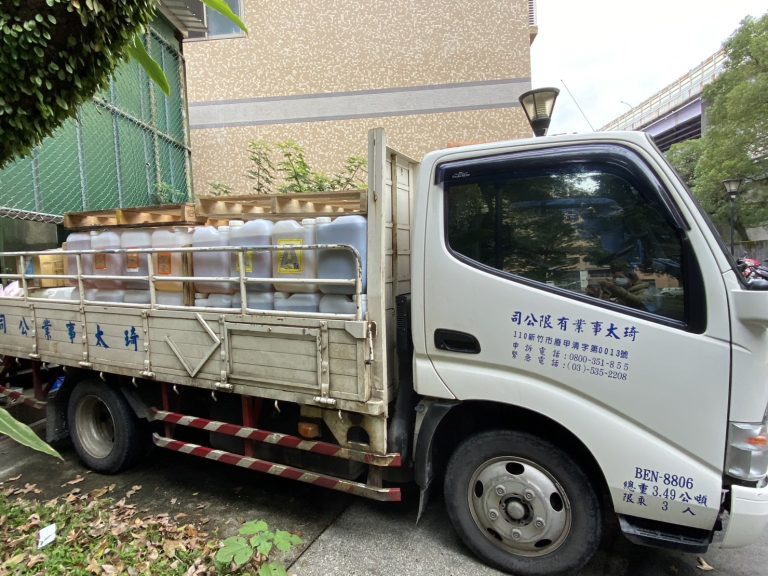
The university commissions qualified contractors to handle the removal and disposal of hazardous laboratory waste.
With regard to domestic wastewater, the university complies with all governmental regulations. Wastewater is discharged through a systematic sewer network into the Taipei City sewerage treatment system, where it undergoes filtration and processing before re-entering the water resource circulation system, contributing to the sustainable management of water resources and river ecosystems. At the Linkou Campus, the primary discharge is domestic wastewater; as the discharge volume is less than 800 m³/day, a combined rainwater and wastewater system is used, connecting to the New Taipei City sewerage network.
In terms of water conservation, the university has taken proactive measures since 2017 by installing foot-pedal faucets, achieving up to a 40% reduction in water usage. Smart water meters have also been installed across campus to automatically detect leaks or other irregularities. By enabling real-time monitoring of water consumption and usage trends, the system enhances water management efficiency.
Both the Gongguan and Linkou campuses actively promote water reuse. The Gongguan Campus has implemented a reclaimed graywater system, while the Linkou Campus operates a rainwater harvesting system. The reclaimed water is used for landscape irrigation and toilet flushing, further supporting sustainable water use.
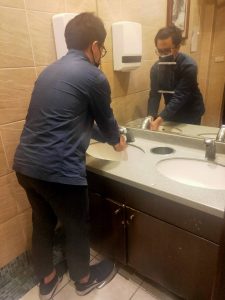
Foot-pedal faucets achieve up to a 40% reduction in water usage.
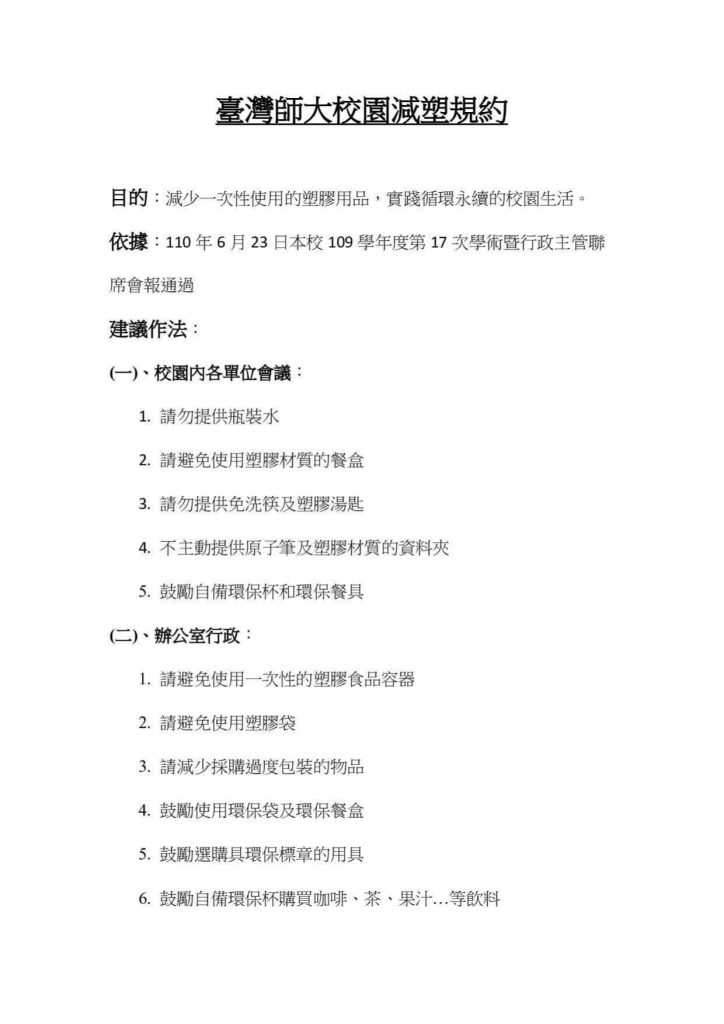
Plastic has long been one of the most severe pollutants in marine environments. In 2021, the university formulated the “NTNU Campus Plastic Reduction Regulations”, which prohibit or reduce the use of plastic and single-use items during meetings and office activities across all departments. Single-use items include disposable chopsticks, plastic spoons, and single-use plastic containers. The intent is to minimize contributions to marine pollution.
In 2022, the university further adopted the “Guidelines for Reducing the Use of Disposable Utensils and Bottled Water at National Taiwan Normal University”, promoting a source-reduction approach to waste management in order to decrease resource consumption and prevent the generation of waste.
For hazardous waste disposal, the university has established the “Guidelines for the Management of Hazardous Industrial Waste in Laboratories.” These guidelines regulate the classification, storage, and labeling of hazardous waste, the maintenance and management of storage facilities, outsourced waste removal, public education, and reporting procedures, all in accordance with the Waste Management Act and related regulations of the Ministry of Environment.
In addition, the university conducts regular occupational safety and health training for faculty, staff, and students, and implements a self-inspection system for laboratories. Each laboratory is required to complete at least one self-assessment report per month to ensure that hazardous waste is managed and disposed of properly and safely.
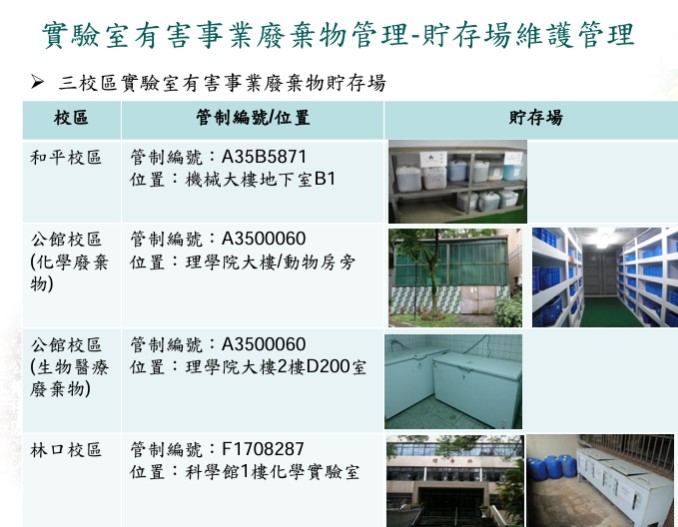
All three campuses have designated storage facilities for hazardous industrial waste.
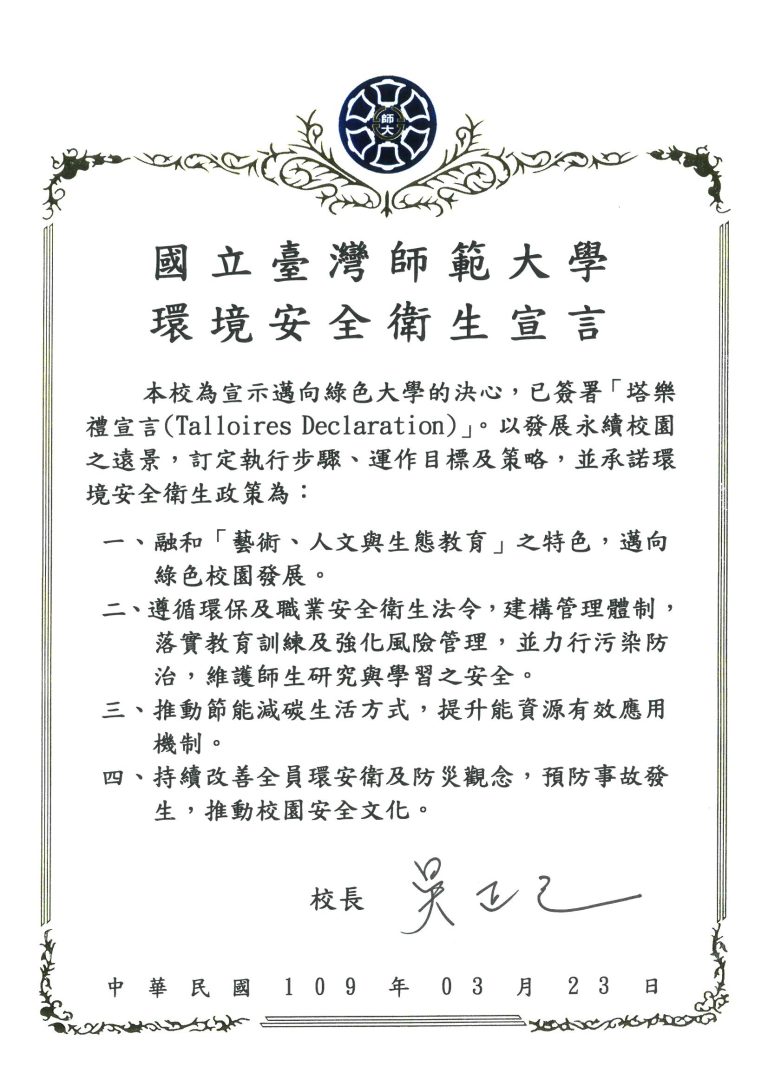
To actively put the Talloires Declaration into practice and fulfill the social responsibilities and mission of higher education, the university initiated and established the Taiwan Green University Alliance in 2012. In order to advance the vision of a sustainable campus, the university has formulated implementation strategies and goals. The President signed the Environmental Safety and Health Declaration, affirming the university’s commitment to continuously improving environmental safety, health, and disaster prevention awareness.
NTNU Environmental Safety and Health Declaration