NTNU highest governing body is the University Council, which deliberates and decides on major matters such as university development plans, regulations, budgets, and the establishment of academic units, as stipulated in Article 16 of its organizational regulations.
According to the “Measures for Selecting Representatives of National Taiwan Normal University University Affairs Meeting.” elections are held regularly to select representatives from faculty, students, staff, and researchers. The Council is composed of 23 ex officio members, 77 faculty representatives (one-tenth of all faculty members), 12 student representatives (one-tenth of all council members), as well as 4 staff representatives, 1 researcher, 1 teaching assistant, and 1 janitor representative, totaling 119 members. The list of representatives and the lists of each committee are announced on the NTNU Office of Human Resources official website.
16.2.2 Students’ union
Article 54 of the “National Taiwan Normal University Organizational Regulations” clearly stipulates that to cultivate students’ autonomy and the concept of the rule of law and to ensure students’ participation in matters related to their study, life, and rights at school, the University should guide students to establish the Autonomous Association (hereinafter referred to as the Student Union) by democratic procedures. The Student Union is composed of all university students.
The highest autonomous organization of students is the National Taiwan Normal University Student Union, which has established the National Taiwan Normal University Student Union Constitution. Its purpose is to cultivate students’ self-governance and democratic concepts, promote student rights on campus, and actively participate in social issues to pursue a co-prosperity between the University and Taiwanese society. The Student Union has a Facebook fan page to post its information and announcements.
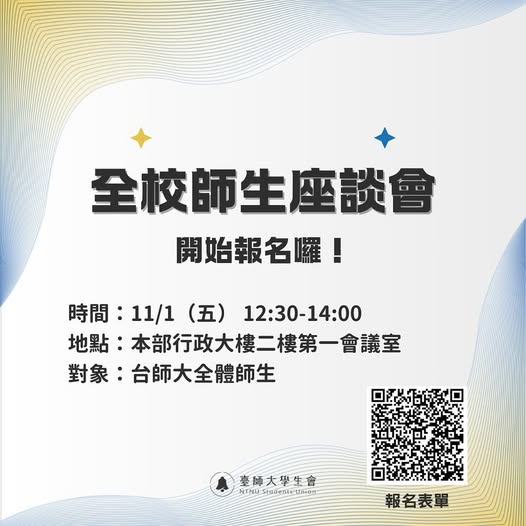
NTNU Student Union holds the Campus-wide Faculty and Student Forum every year, inviting students who have ideas about school affairs to express their opinions to the principal and department heads. This forum aims to improve the campus environment and promote the implementation of various university policies.
Providing Support for Students
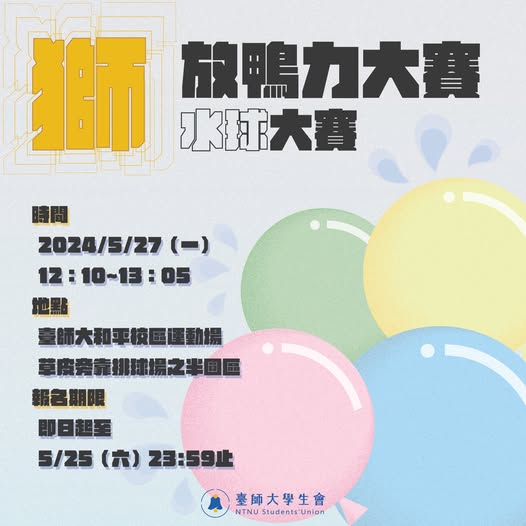
NTNU Student Union places great importance on students’ mental health issues. The Mental Health Promotion Division of the Student Union is responsible for organizing activities related to psychological well-being, such as the “Roar Contest,” “Cold Joke Contest,” “Companion Lecture,” and “Clarifying Needs Workshop.” The division also conducts surveys on campus counseling resources, aiming to help students not only achieve academic success but also take time to care for themselves, thereby fostering a mentally and physically friendly campus environment.
Before the final exam period, fun activities are organized to help students relieve stress, become more aware of their emotions, and gain a better understanding of counseling and stress-related issues.
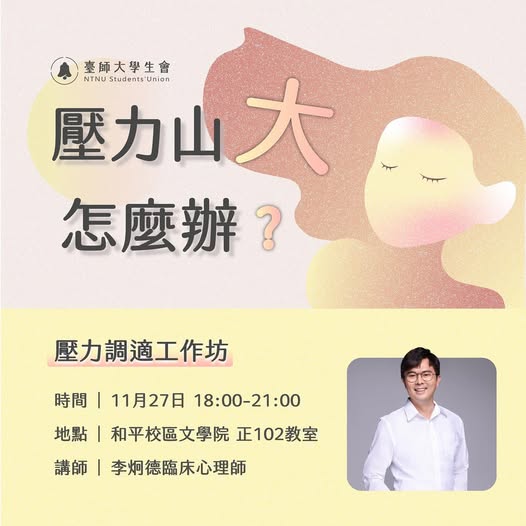
A stress management workshop is held to teach students effective stress adjustment techniques. Through hands-on activities, students are encouraged to relax and explore ways to find inner balance amid their busy daily lives.
Providing Social activities
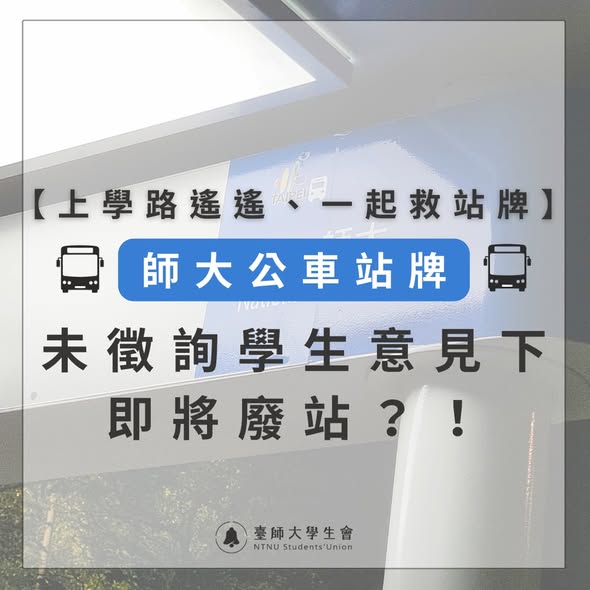
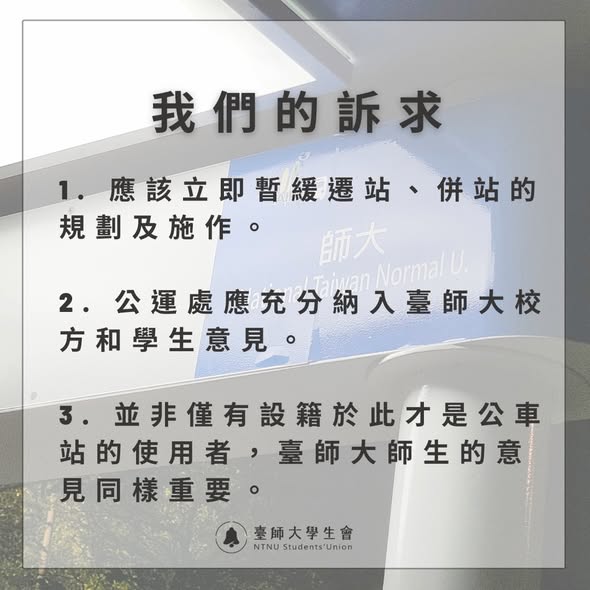
NTNU Student Union actively engages with social issues and takes a firm stance on matters that may harm students’ rights and interests. For example, two nearby bus stops originally located alongside NTNU provided convenient transportation for students. However, after receiving a site inspection notice, the Student Union learned that the local borough chief had requested the Taipei City Public Transportation Office to merge the two stops on the grounds that they were “too close to each other.”
This decision was made without consultation or consent from NTNU’s administrative units or student union, and construction had already been scheduled. Citing procedural injustice and potential harm to students’ interests, the Student Union took immediate action, contacting relevant government departments and expressing opposition on-site. Through their efforts, the Student Union successfully prevented the merger of the bus stops, effectively safeguarding students’ transportation convenience and rights.
16.2.3 Identify and engage with local stakeholders
NTNU has established various regulations to identify and engage with local stakeholders. The “National Taiwan Normal University Industry-Academia Cooperation Implementation Guidelines” outlines the procedures for industry-academia collaboration with government agencies, businesses, non-profit organizations, and academic research institutions. These collaborations encompass research and development and talent development, fostering the accumulation and diffusion of knowledge and technology, ultimately benefiting national education and economic development.
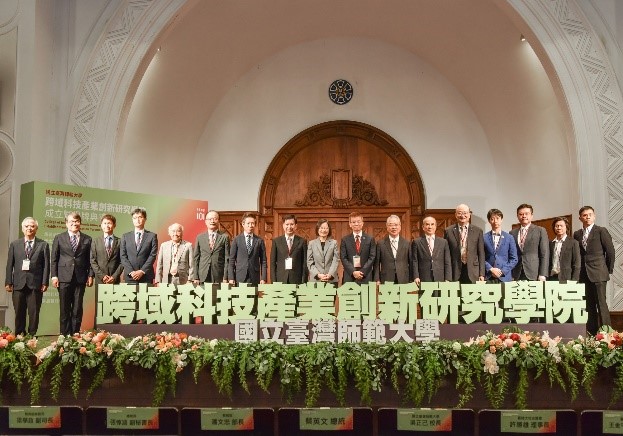
NTNU promotes social sustainability and institutional soundness through industry–academia collaboration and interdisciplinary learning. In 2023, with sponsorship from 12 enterprises and the National Development Fund, NTNU established the Graduate School of Interdisciplinary Technology and Industrial Innovation. The school includes two institutes—AI Interdisciplinary Applications and Green Energy Technology and Sustainable Governance—focusing on local governance, green energy policy, and environmental justice. It assists local governments in formulating sustainable policies and cultivates governance professionals.
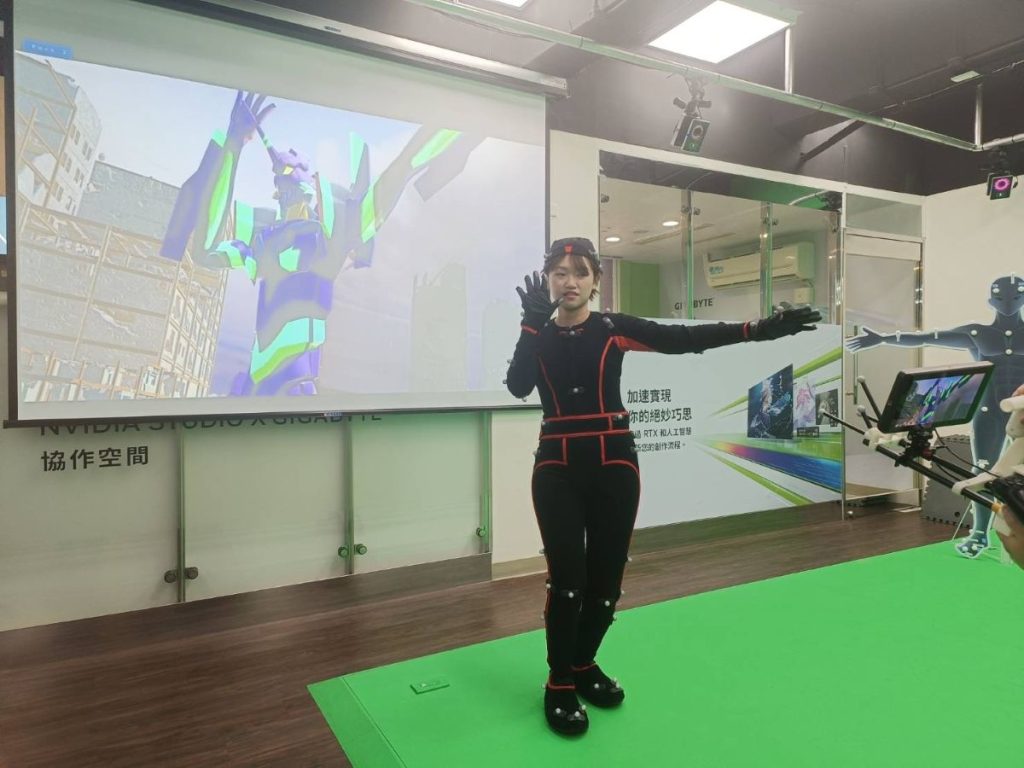
In 2024, NTNU collaborated with Taiwan Semiconductor Manufacturing Company (TSMC) to launch a Semiconductor Credit Program. Students not only receive specialized coursework and mentorship from TSMC industry experts but also gain guaranteed interview opportunities after completing a minimum of 15 courses. Furthermore, the university partnered with NVIDIA and GIGABYTE Technology to establish Taiwan’s first Metaverse Motion Capture Laboratory, integrating AI and performing arts into creative content. The collaboration also introduced an 8-credit Micro Program in Metaverse Technology and Virtual Influencers, which teaches digital technology art production while reinforcing industrial ethics and responsible governance through industry–academia platforms. These initiatives cultivate students’ commitment to transparency, integrity, and social responsibility in their future careers.
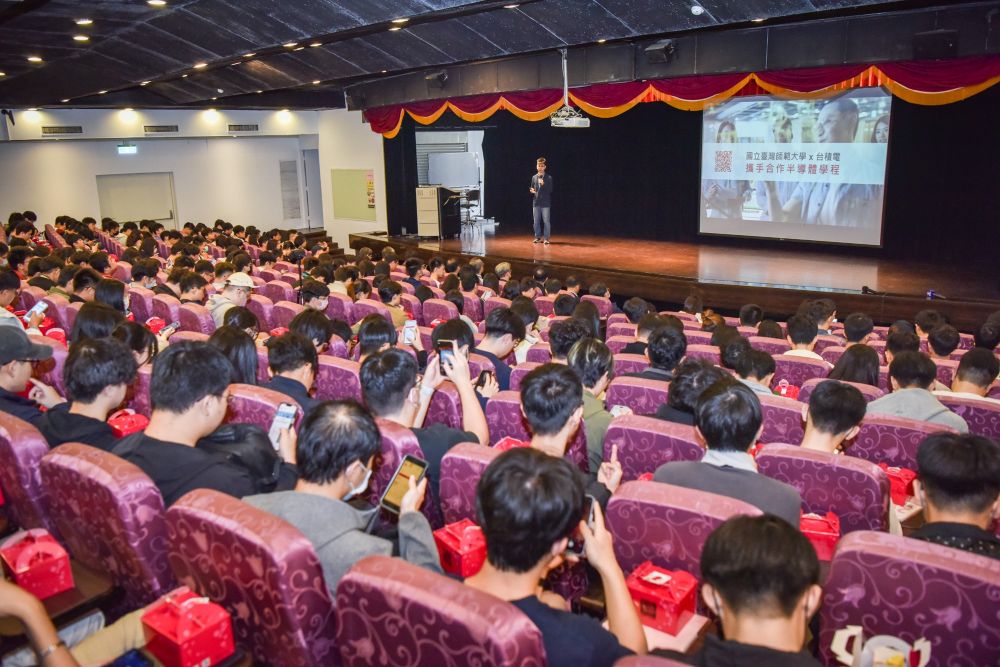
” College of Interdisciplinary Industry Academia Innovation “Founding ceremony
To meet the interdisciplinary demands of the technology industry, NTNU collaborates with leading companies such as NVIDIA and GIGABYTE Technology to create Taiwan’s first Metaverse Motion Capture Laboratory, integrating industry training into academic programs.
NTNU and Taiwan Semiconductor Manufacturing Company (TSMC) jointly launched the Semiconductor Program through the College of Technology and Engineering, providing comprehensive semiconductor courses via industry–academia collaboration to nurture future talents for Taiwan’s industrial sector.
16.2.4 stakeholder engagement
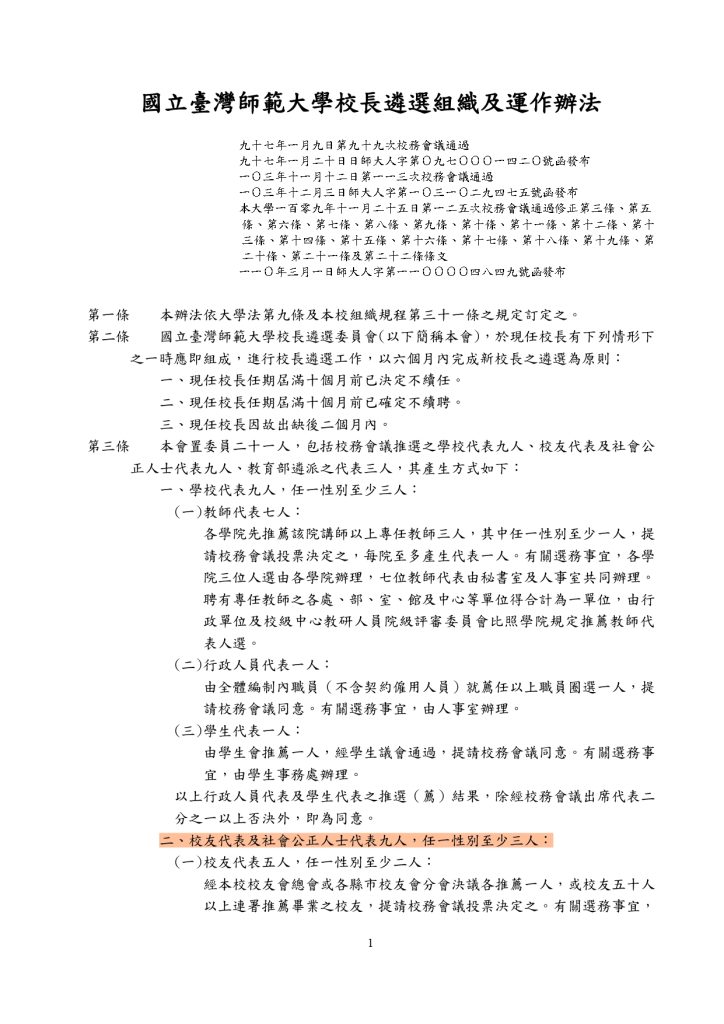
NTNU ensures that local stakeholders, including local residents, government representatives, and civil society members, have a meaningful mechanism for participating in university decision-making. According to the National Taiwan Normal University President Selection Organization and Operations Regulations, the committee consists of 21 members: nine representatives elected by the University Council, nine representatives from alumni and disinterested community members, and three representatives appointed by the Ministry of Education. In addition, academic and professional organizations may nominate presidential candidates. This inclusive structure ensures fairness, transparency, and participation from various local and societal stakeholders in NTNU governance process.
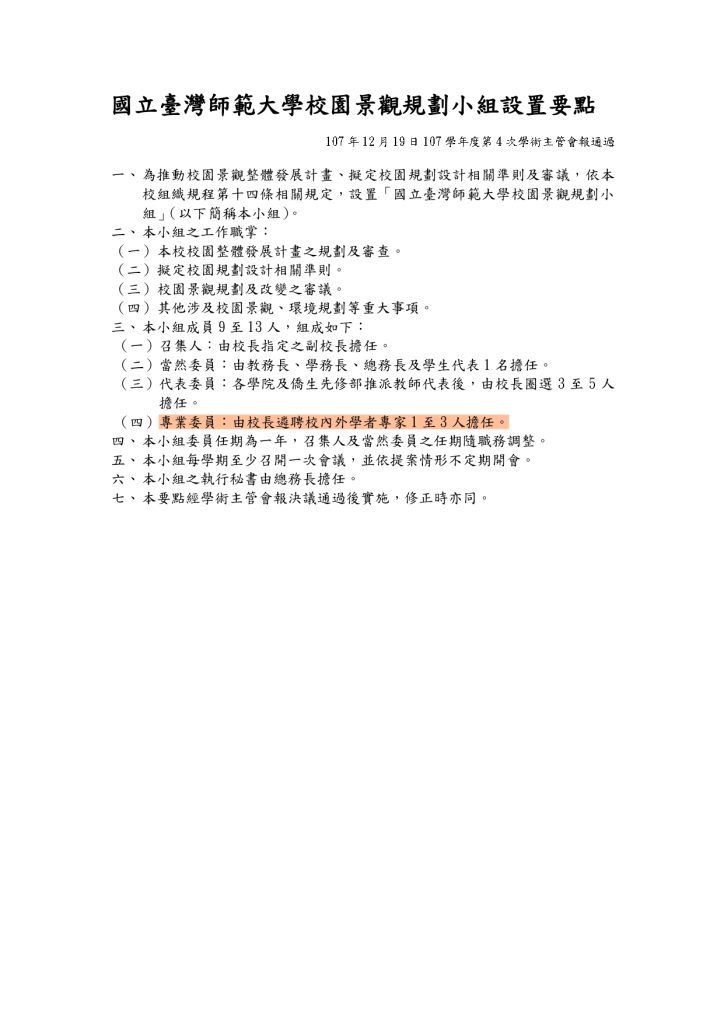
Other participatory mechanisms include the Campus Landscape Planning Team, which involves local authorities and external experts in developing the university’s master campus development plan, and the Curriculum Committee, which defines academic goals and directions while engaging external specialists. These committees reflect NTNU commitment to transparent, inclusive, and accountable governance that integrates diverse community perspectives into university decision-making.
NTNU President Selection Organization and Operations Regulations include a committee composed of nine representatives from alumni and disinterested community members, and three representatives appointed by the Ministry of Education. To ensure fairness, transparency, and participation in NTNU governance process.
The Key points for setting up the campus landscape planning team of NTNU, clearly describes the procedures to select and engage stakeholders and the process of participating in decision-making.
According to NTNU Curriculum Committee Guidelines, the committee must include representatives outside of NTNU, such as alumni, industry professionals, or external academic experts to work with teachers and student representatives, to set the NTNU curriculum goals and development directions.
16.2.5 University principles on corruption and bribery
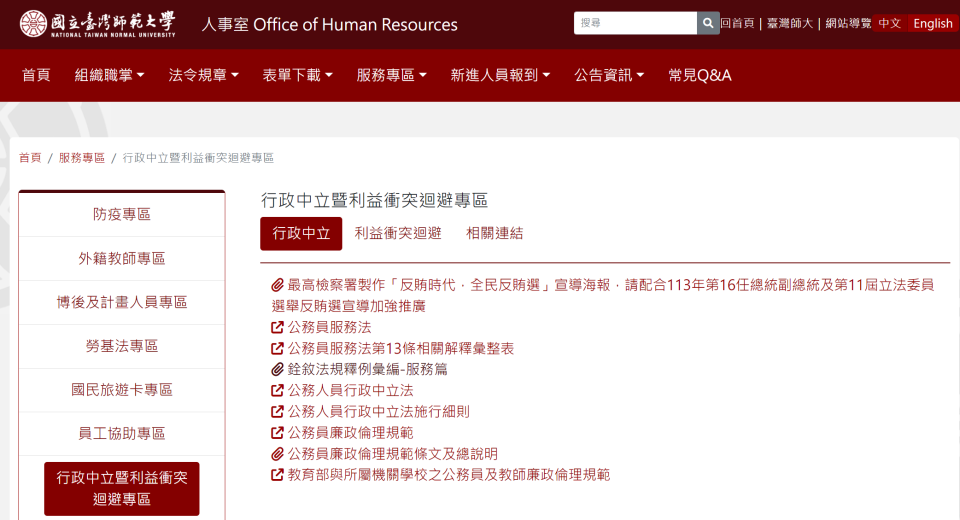
NTNU Office of Human Resources website has a dedicated section on Administrative Neutrality and Conflict of Interest Avoidance. This section ensures staff comply with regulations such as the Civil Servants Administrative Neutrality Act, and the Ethical Guidelines for Civil Servants. These regulations ensure staff execute their duties impartially and maintain political neutrality. They also prevent corruption and the improper transfer of benefits.
To strengthen internal governance and ensure effective risk management, NTNU has established a comprehensive Internal Control System to prevent corruption, bribery, and other forms of organized misconduct. In accordance with the “National Taiwan Normal University Risk Management Promotion Guidelines. ”, the university has formed both an Internal Control Committee and an Internal Audit Committee, responsible for planning, promoting, and supervising the implementation of internal control mechanisms.
Each year, NTNU conducts a systematic evaluation of the effectiveness of its internal control system and publishes an Internal Control Statement as well as an Annual Internal Control and Audit Implementation Plan and Report. These documents review the compliance and execution of various administrative and financial procedures, provide improvement recommendations when necessary, and are publicly available on the university’s official website.
Through these transparent mechanisms, NTNU demonstrates its institutional commitment to integrity, accountability, and zero tolerance toward corruption, bribery, and organized crime.
Section on Administrative Neutrality and Conflict of Interest Avoidance
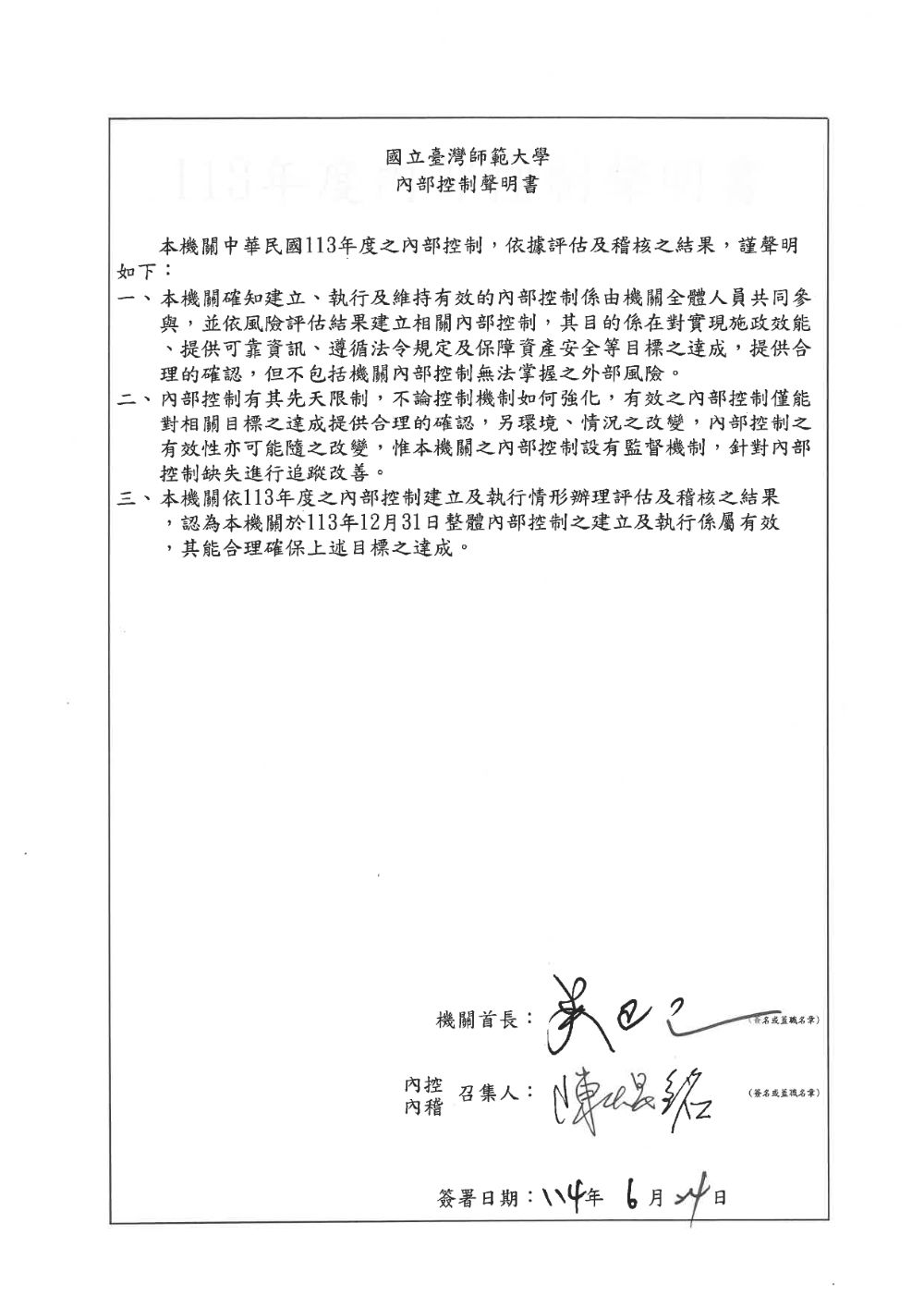
In 2024, NTNU issued an internal control statement with the aim of achieving goals such as improving governance effectiveness, providing reliable information, complying with laws and regulations, and protecting asset security.
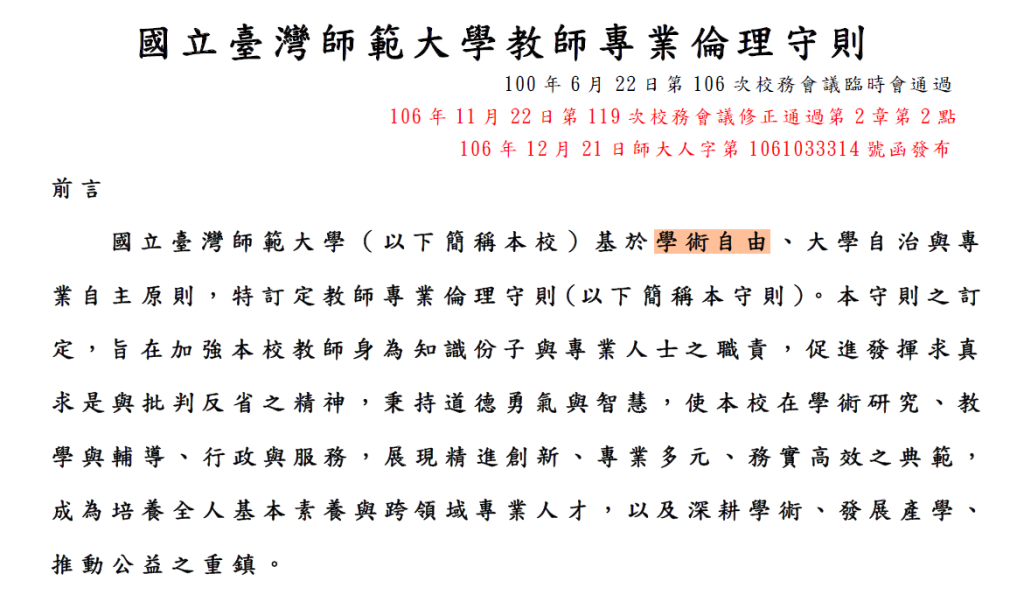
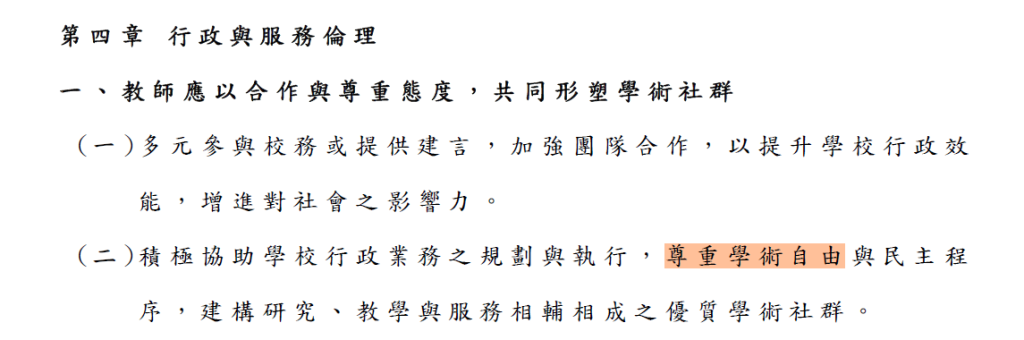
In alignment with academic freedom, university autonomy, and professional independence, the University has formulated the “Code of Professional Ethics for Teachers.” This code clearly outlines respect for academic freedom and democratic procedures and works to build a high-quality academic community where research, teaching, and service complement one another.
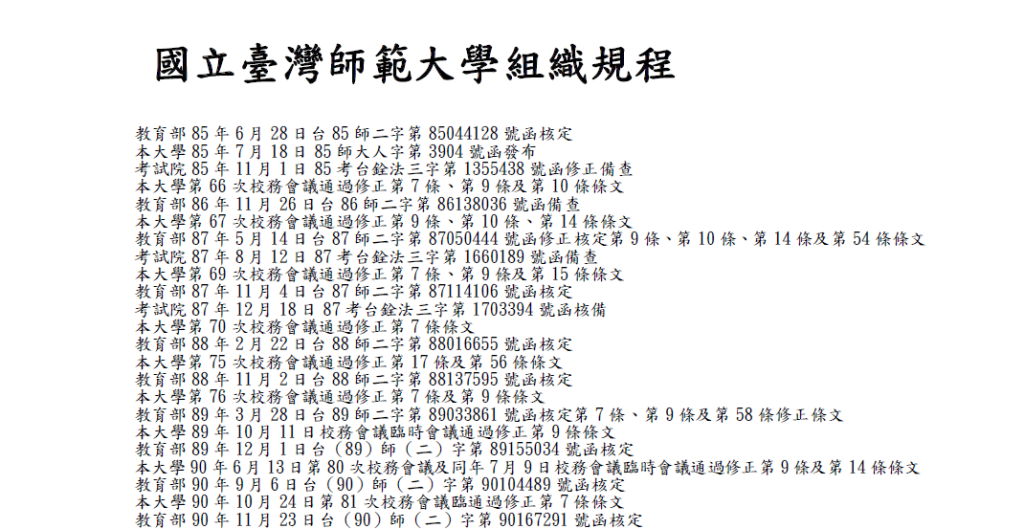
Article 4 of the university’s organizational regulations stipulates the principle of respecting academic freedom.
NTNU “Code of Professional Ethics for Teachers” respects teachers’ academic freedom.
These systems demonstrate NTNU strong commitment to financial openness, ensuring that all stakeholders can freely review the university’s financial performance and resource allocation.
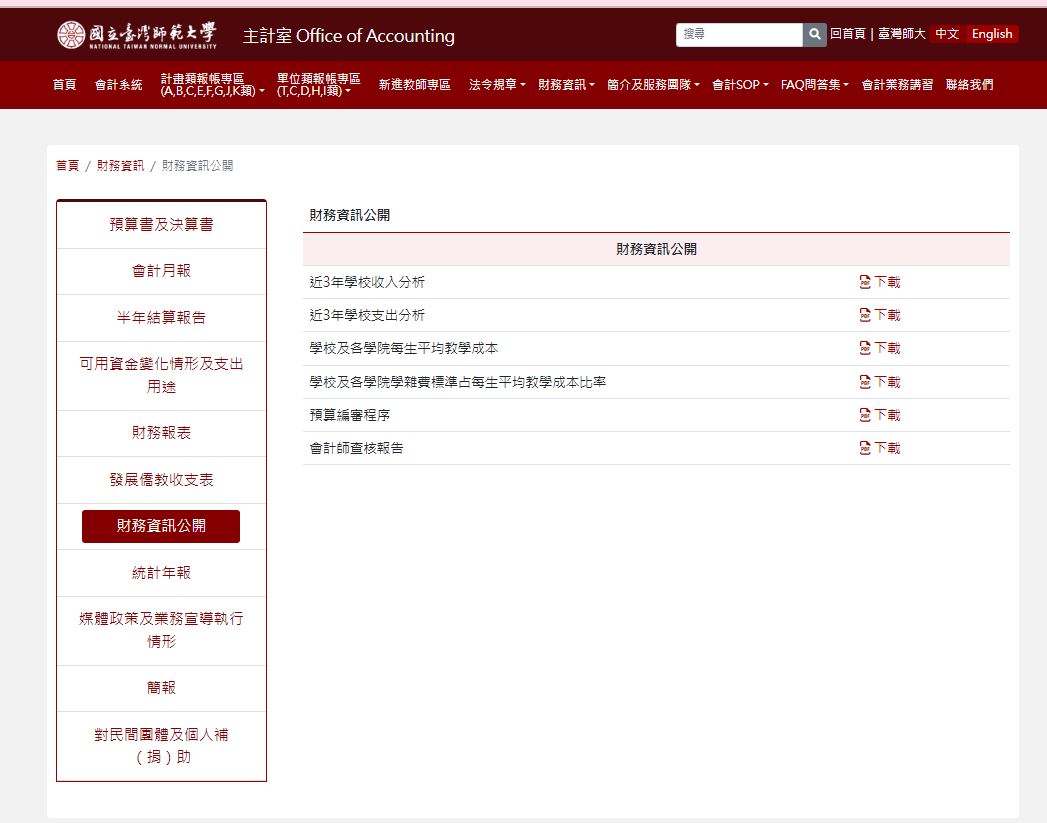
The Financial Information Disclosure Platform of NTNU Office of Accounting provides access to the university’s income and expenditure analyses for the past three years, average teaching cost per student, budget review procedures, and audited financial reports.
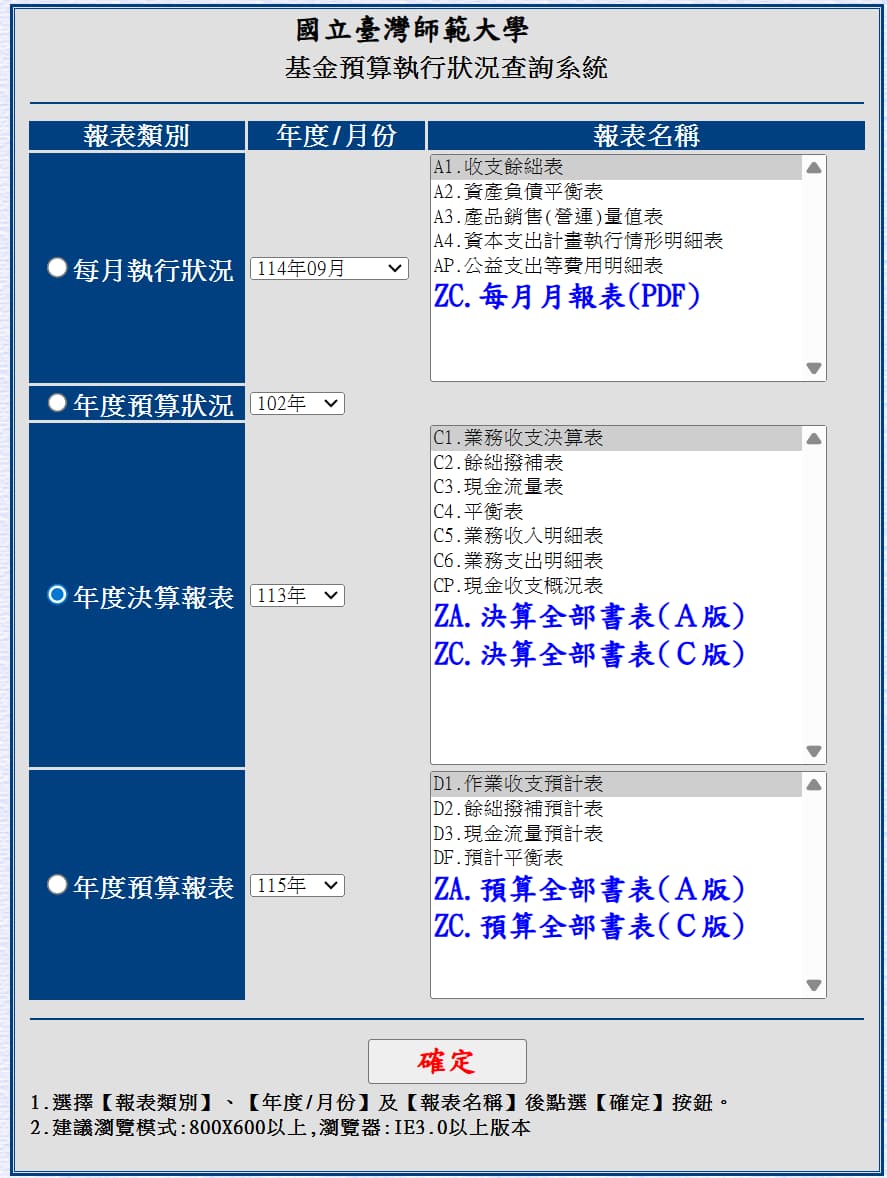
The Budget Execution and Fund Management Inquiry System allows users to view annual budget status, final accounts, budget reports, and monthly income and expenditure statements.
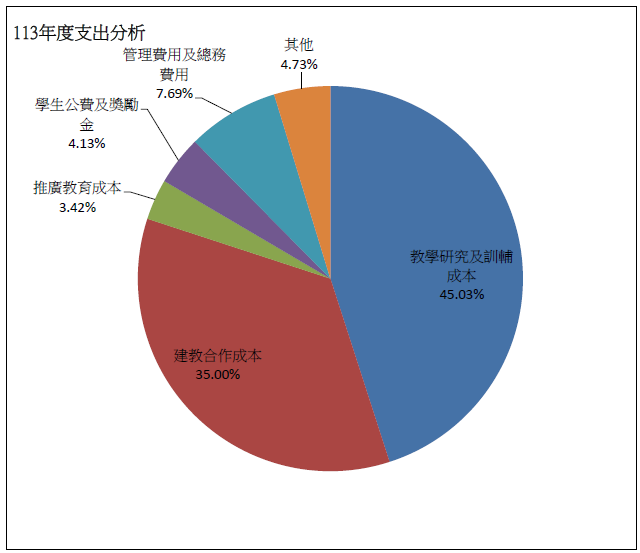
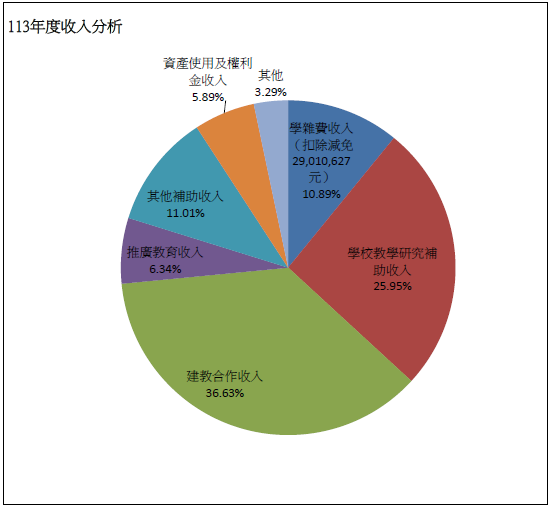
Chart showing NTNU 2024 income and expenditure analysis.
16.3.1 Provide expert advice to government
NTNU is deeply committed to supporting evidence-based government decision-making through professional expertise and academic collaboration.
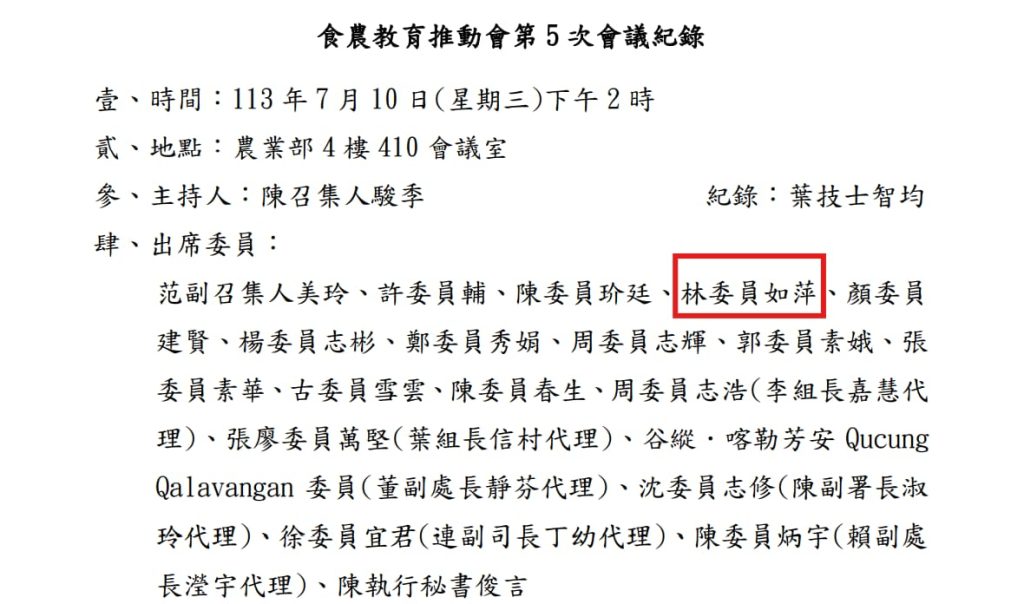
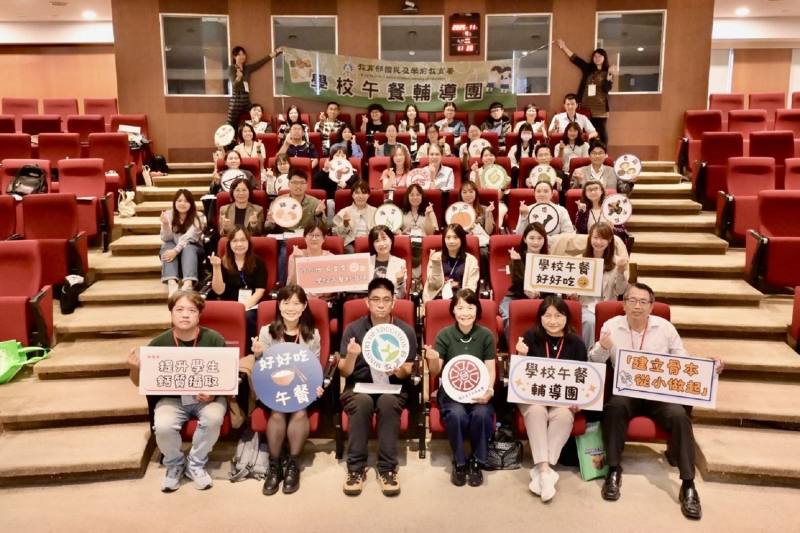
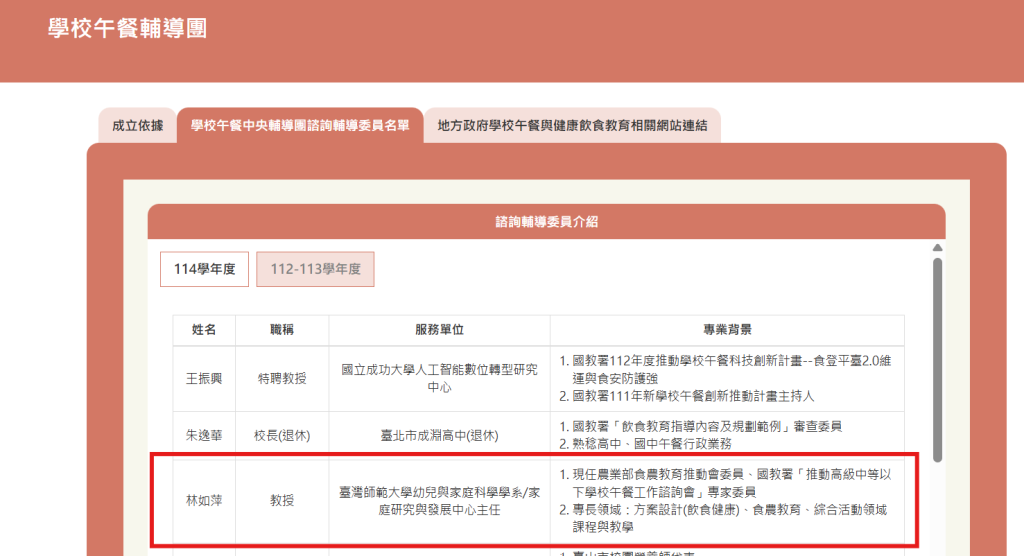
Professor Ju-Ping Lin from NTNU Department of Human Development and Family Studies has been a key contributor to national food and agricultural education policy in Taiwan.
At the national level, Professor Lin serves as a committee member of the Ministry of Agriculture’s Food and Agricultural Education Promotion Committee, providing research-based policy advice and strategic guidance on the nationwide development of food and agricultural education.
At the regional level, she is appointed by the K-12 Education Administration, Ministry of Education as a committee member of the School Lunch Advisory Committee, offering professional recommendations on nutrition, local agricultural produce utilization, and the integration of food and agricultural education into school lunch programs across Taiwan.
At the local level, Professor Lin collaborates with local education bureaus and schools to design food and agricultural education curricula, conduct teacher training, and organize educational workshops promoting healthy diets and sustainable agriculture. Through these multi-level engagements, NTNU scholars actively contribute to the development and implementation of public policies in education, nutrition, and sustainability.
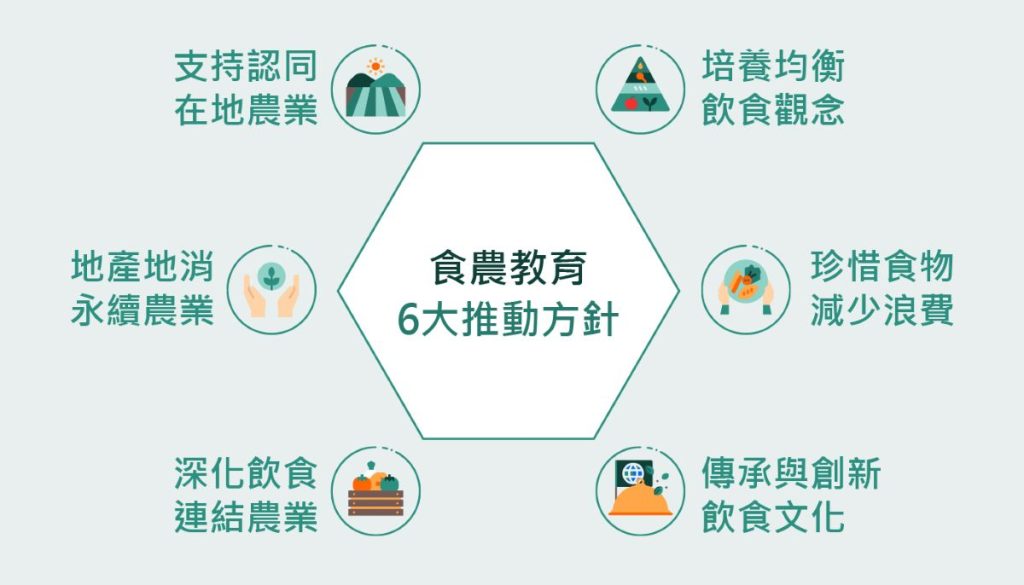
Professor Ju-Ping Lin serves as a member of the Ministry of Agriculture’s “Food and Agricultural Education Promotion Committee” (as shown in the fifth committee meeting minutes), which issued six major strategic directions to guide local governments and educational institutions in implementing food and agricultural education.
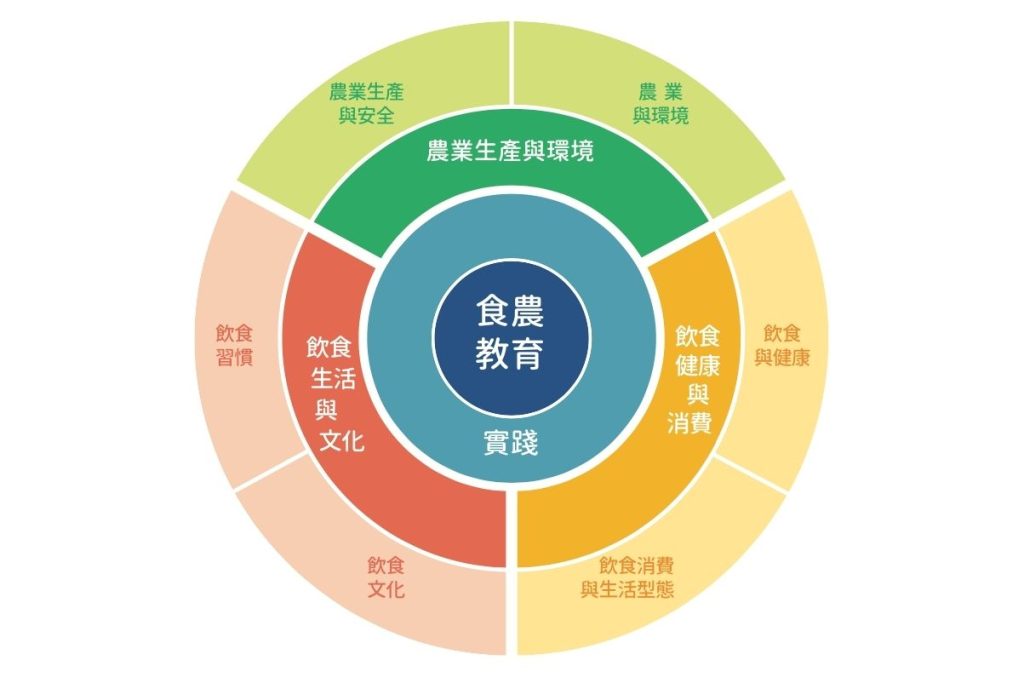
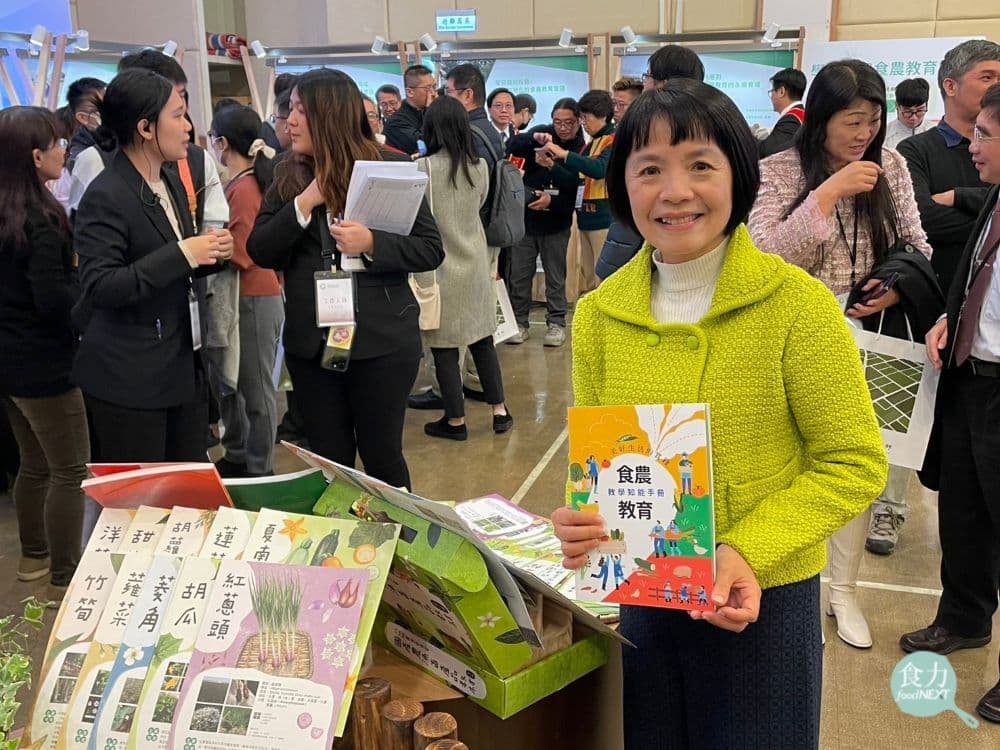
Professor Ju-Ping Lin developed Taiwan’s “ABC Model” and its “3 Dimensions, 6 Elements” framework— integrating Agriculture, Behavior, and Culture — to guide curriculum design across age groups, which has been widely adopted by the Ministry of Education and the Ministry of Agriculture. She also authored the “Food and Agricultural Education Teaching Competency Manual”, which serves as a foundational resource for school teachers in curriculum design and instruction, helping students understand the connection between food sources and the land.
Professor Ju-Ping Lin currently serves as an advisory member of the National School Lunch Guidance Committee, supporting local school lunch teams to improve meal quality and promote healthy and sustainable school lunch programs.
16.3.2 Policy- and lawmakers outreach and education
NTNU actively promotes engagement and educational initiatives for policymakers and public sector leaders to foster informed decision-making and policy innovation.
The Graduate Institute of Education Policy and Administration is dedicated to cultivating professional talents in education policy and administration. Its programs aim to develop both academic researchers and administrative leaders, while also offering in-service training for current education officials. Through academic research, leadership development, and continuing education, the institute strengthens the nation’s educational decision-making processes and enhances the quality of education policy research and reform.
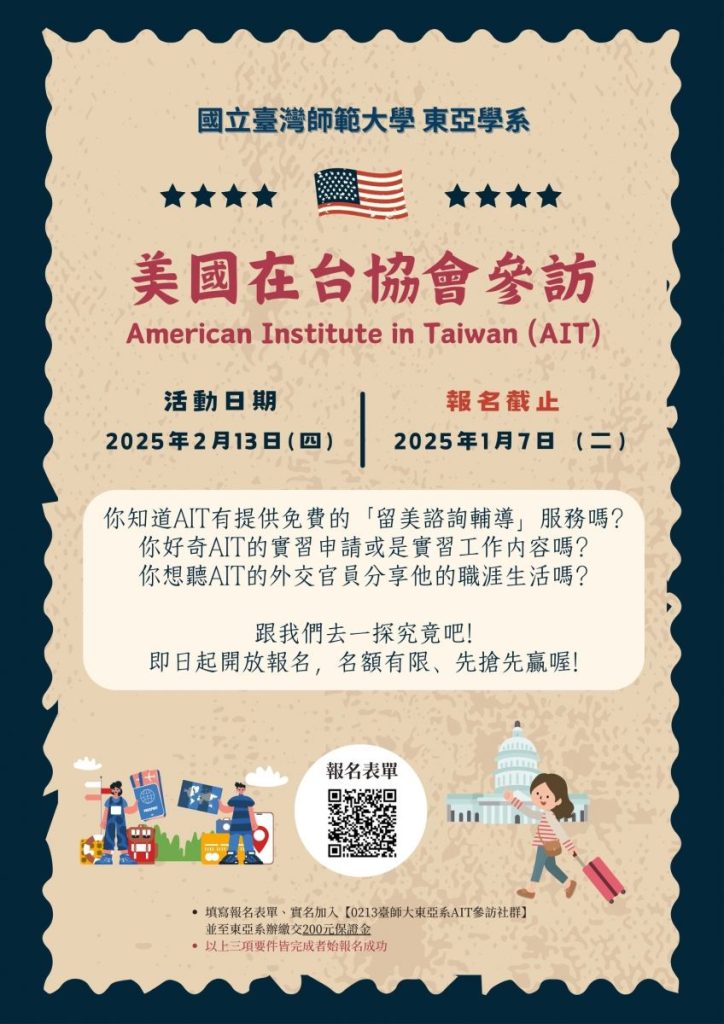
NTNU Department of East Asian Studies also plays a key role in policy-oriented education by training interdisciplinary professionals specializing in regional research and applications. The department’s curriculum emphasizes culture and application and politics, economy, and regional development, preparing students for careers in politics, diplomacy, public affairs, national development, and cross-strait relations. In 2024, the department hosted a visit to the American Institute in Taiwan (AIT), providing a platform for future policymakers and public sector leaders to engage in discussions on regional development, democratic governance, and international cooperation. The department also established the Center for Chinese Mainland Studies, which integrates faculty expertise and research resources on mainland China and cross-strait affairs, serving as a platform for related academic exchange and policy research.
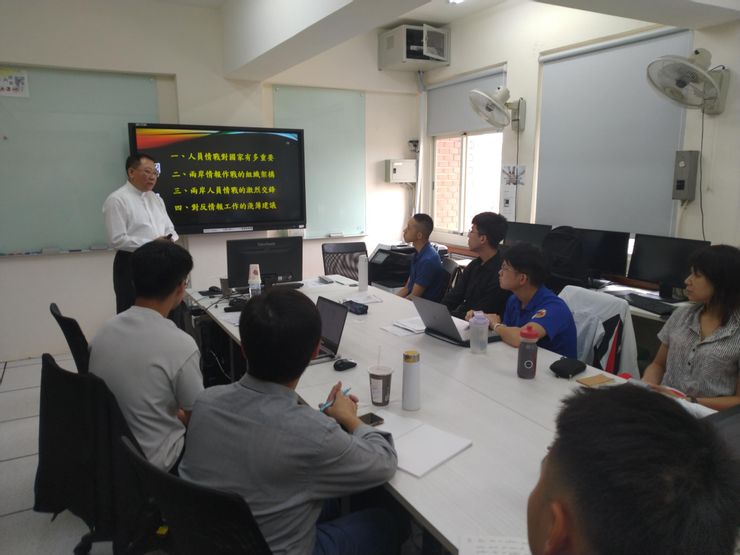
The Center for Chinese Mainland Studies invited former Military Intelligence Bureau Director General Liu Der-Liang to deliver a lecture on “Cross-Strait Intelligence Operations.”
Poster of the American Institute in Taiwan (AIT) visit, providing opportunities for dialogue with U.S. diplomatic representatives.
At the university level, the Center for Educational Research and Innovation conducts research on education policy, curricula, and school systems in both Taiwan and mainland China. Domestically, it focuses on secondary education structures, admissions systems, and textbook policies. The center has also supported the government in developing several national longitudinal databases, such as the Taiwan Higher Education Integration Database, making it one of Taiwan’s major education data research hubs.
In 2024, the center organized the International Forum on “New Horizons in Education: Knowledge Innovation in Policy, Practice, and Research”, serving as an open public dialogue platform that brought together educators, policymakers, researchers, and other stakeholders. The forum explored emerging challenges and innovations in education, promoting evidence-based policymaking and collaborative problem-solving to enhance education governance and reform.
The international forum “New Horizons in Education: Knowledge Innovation in Policy, Practice, and Research” gathered educators, policymakers, and researchers for open dialogue on current challenges and developments in education.
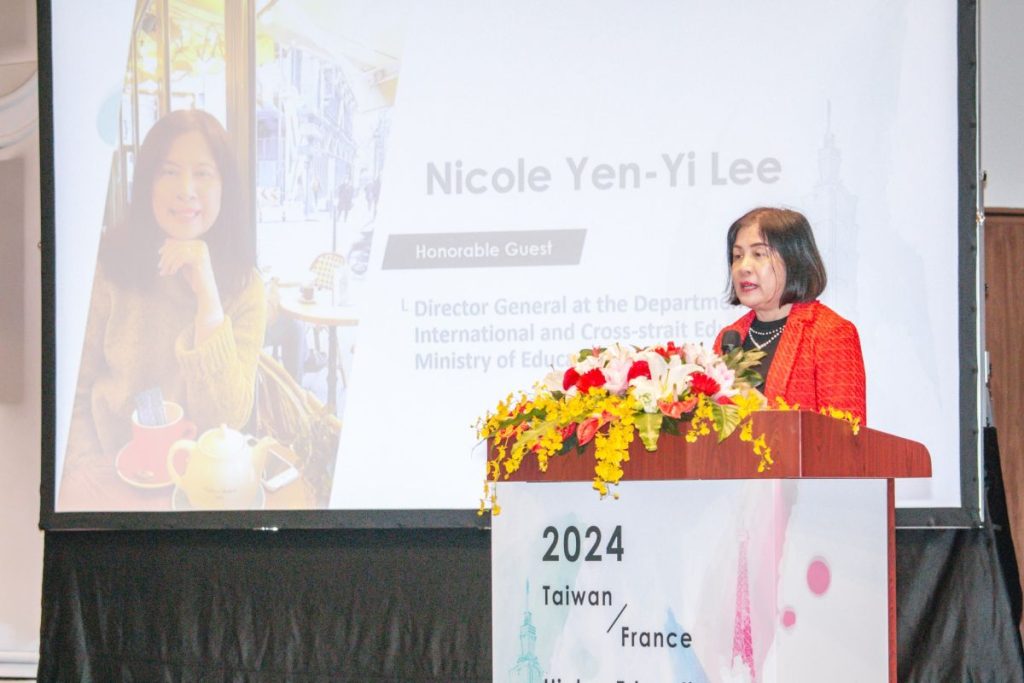
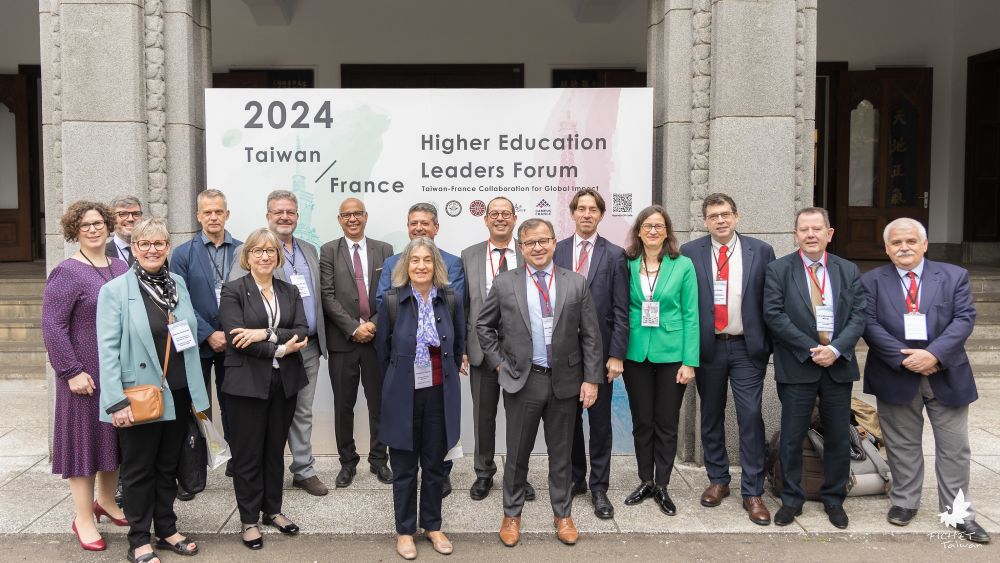
NTNU, in collaboration with the Foundation for International Cooperation in Higher Education of Taiwan (FICHET), the French Office in Taipei, and Campus France, co-organized the 2024 Taiwan–France Higher Education Leaders Forum. The event gathered senior officials from Taiwan’s Ministry of Education, including the Deputy Minister and the Director-General of the Department of International and Cross-Strait Education, along with representatives from more than 30 Taiwanese universities and 7 French institutions. The forum served as a high-level dialogue platform for policymakers and university leaders to discuss strategies for advancing internationalization, research collaboration, industry-academia cooperation, talent cultivation, and language education policies.
NTNU organized the 2024 Taiwan–France Higher Education Leaders Forum. Director General of the Department of International and Cross-Strait Education, Ministry of Education, expressed appreciation to the French representatives for joining the forum and advancing international dialogue and collaboration in education reform.
16.3.3 Participation in government research
NTNU has established a long-term, structured, and institutionalized partnership with government agencies at both central and local levels, engaging actively in policy research, commissioned projects, and consultancy programs that provide evidence-based support for public decision-making in education, culture, sports, diplomacy, and social development. In 2024, NTNU collaborated with various government bodies on a total of 1,145 research projects, with a combined funding amount of NT$3.1 billion, covering multiple levels of public policy research across ministries and municipalities.
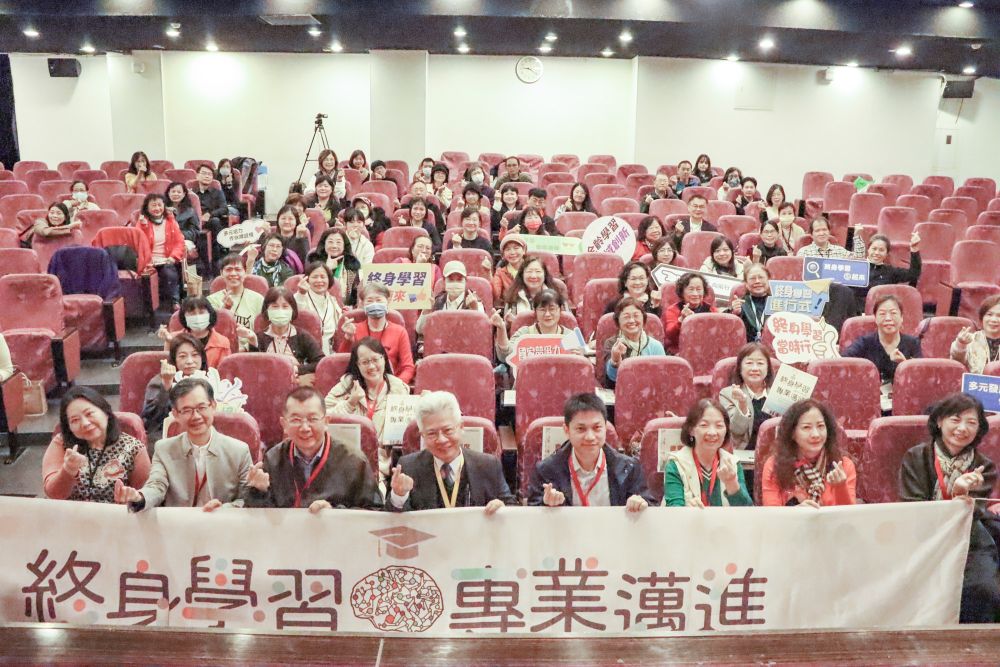
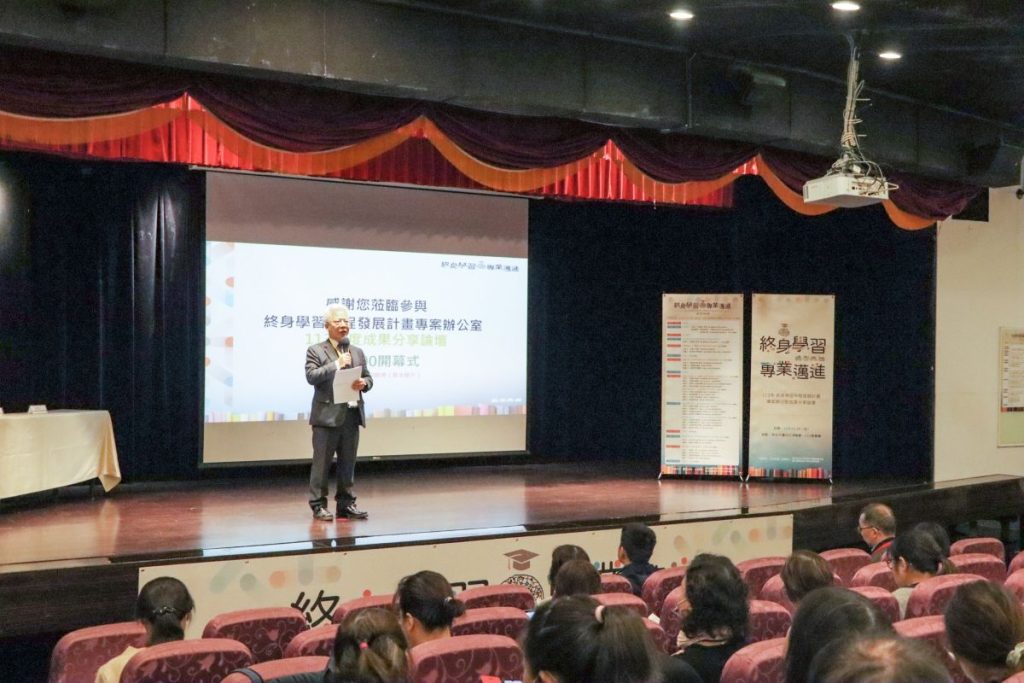
Among these initiatives, the Department of Adult and Continuing Education was commissioned by the Ministry of Education to establish the Project Office for the Mid-Term Development Plan of Lifelong Learning. The team led the drafting of the national “White Paper on Learning Society” and the “Mid-Term Development Plan for Lifelong Learning,” contributing directly to the formulation of Taiwan’s lifelong learning policy framework and regulatory revisions. The project also developed a cross-ministerial KPI data collection and analysis system, whose outcomes have been integrated into the Ministry’s policy implementation and adopted by local governments, demonstrating a clear and measurable impact on national policy and practice in the field of lifelong learning.
In 2024, NTNU hosted the Lifelong Learning Achievement Forum, themed “Advancing Professionalism through Lifelong Learning,” which gathered experts and policymakers to evaluate policy effectiveness and strengthen academic–practical integration. Through its leadership in policy design and implementation, NTNU directly supports the Ministry of Education national agenda for inclusive education, social empowerment, and poverty alleviation.
16.3.4 Neutral platform to discuss issues
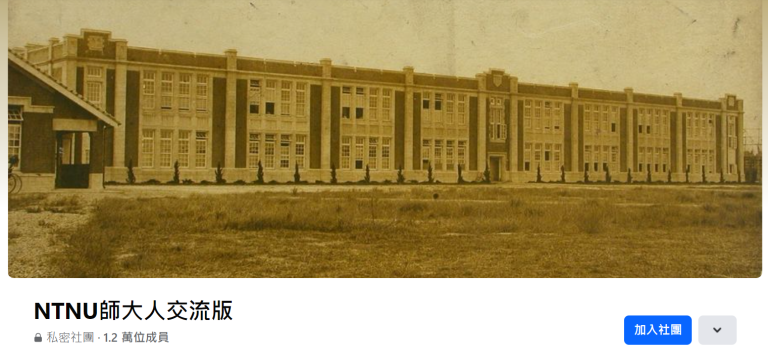
NTNU Facebook community, “NTNU師大人交流板,” serves as an open space for NTNU students and the community to exchange information freely. There are no restrictions on political expression, commercial activities, or logical debates. The types of posts, content, and the author’s identity are not regulated, allowing for a vast scope of freedom.
Facebook community-NTNU Exchange Board, a neutral platform to discuss issues.
The Student Union organises an annual university-wide faculty–student forum that serves as a neutral and open platform for dialogue. Students with concerns or suggestions regarding university affairs are invited to present their views directly to the President and heads of administrative offices. This mechanism enables timely discussion of campus issues and supports the continuous improvement of the campus environment and institutional policies.