

5.2.1 Percentage of Female First-Generation College Goers
NTNU systematically tracks the proportion of first-generation university students each academic year, disaggregated by gender. Data from 2019 to 2023 show that male first-generation students have consistently represented a slightly higher proportion than female students in recent years.
Academic Year | 2019 | 2020 | 2021 | 2022 | 2023 |
Female | 235(52%) | 187(50%) | 122(46%) | 115(44%) | 116(42%) |
Male | 218(48%) | 189(50%) | 141(54%) | 144(55%) | 159(58%) |
Total | 453 | 376 | 263 | 259 | 275 |
5.3.1 Enrollment tracking measures
NTNU systematically tracks and analyzes the gender distribution of undergraduate admissions each year across all admission channels, including Personal Application, Examination and Placement, and other admission routes.
Data from the 2019 to 2023 academic years show that the proportion of female students consistently exceeded that of male students across all admission categories.
|
Academic Year |
2019 |
2020 |
2021 |
2022 |
2023 |
|||||
|
Gender |
Female |
Male |
Female |
Male |
Female |
Male |
Female |
Male |
Female |
Male |
|
Personal Application |
435(58%) |
315(42%) |
396(55%) |
327(45%) |
399(56%) |
316(44%) |
409(57%) |
307(43%) |
376(56%) |
293(44%) |
|
Examination and Placement |
271(52%) |
253(48%) |
262(50%) |
264(50%) |
299(55%) |
249(45%) |
288(50%) |
290(50%) |
309(51%) |
302(49%) |
|
other |
265(52%) |
248(48%) |
295(54%) |
256(46%) |
281(47%) |
311(53%) |
279(52%) |
256(48%) |
293(50%) |
296(50%) |
|
Total |
971(54%) |
816(46%) |
953(53%) |
847(47%) |
979(53%) |
876(47%) |
976(53%) |
853(47%) |
978(52%) |
891(48%) |
5.3.2 Female Application and Enrollment Policy
According to the Guidelines for Gender Equality Education at National Taiwan Normal University, Article 4 states that students must not be discriminated against based on gender, gender traits, gender identity, or sexual orientation during recruitment and enrollment. In addition, Articles 2 and 5 emphasize that all members of the university should respect others’ gender-related characteristics in learning and activities, and ensure equal treatment without any unequal practices based on these factors.
5.3.3 Women's access schemes
National Taiwan Normal University (NTNU), in accordance with Articles 5 and 6 of the Implementation Guidelines for Gender Equity Education, ensures that no differential treatment is made on the basis of gender or gender-related factors in teaching, student activities, assessment, welfare, or services. The University actively provides assistance to students who may be disadvantaged due to gender-related circumstances, thereby safeguarding their right to education.
The Division of Student Services under the Office of Student Affairs offers a diverse range of student support programs, including student insurance, various scholarships and grants, and an advising/mentorship system. All students, regardless of gender, have equal access to these resources. In addition, certain scholarships are specially designed to provide support for female students.
- Madam Chang Scholarship (黃母張太夫人獎學金):
Dedicated exclusively to NTNU female students, this scholarship awards three students per academic year, with each recipient receiving NT$10,000.
- Dreams Take Flight Scholarship (夢想起飛獎助學金):
Available to pregnant students or students responsible for raising a child under the age of three. Recipients may receive between NT$10,000 and NT$30,000 to support both their academic pursuits and family caregiving responsibilities.
The regulations and application procedures for student insurance, scholarships/grants, and the student advising system are publicly available on the website of the Division of Student Services under the Office of Student Affairs.
5.3.4 Women’s application in underrepresented subjects
NTNU is committed to increasing the participation of women in disciplines where they have been historically underrepresented, particularly in STEM fields. Through outreach initiatives and cross-institutional collaboration, NTNU encourages female students to develop scientific literacy from an early age, explore their academic interests, and gradually build confidence and motivation to pursue studies in related fields. In 2024, NTNU implemented the following key initiatives:
1. Through university outreach
NTNU’s Institute for Mathematics Education:
NTNU’s Institute for Mathematics Education implemented the “Promoting Scientific Learning Interest among Girls in Elementary and Junior High Schools” program, which aims to enhance female students’ motivation and confidence in science, mathematics, and STEM subjects. The program provides diverse and sustainable support, including curriculum and teaching material development, teacher professional development workshops, student thematic camps, school outreach lectures, educational videos, and popular science articles. These initiatives not only inspire girls to explore science, but also empower teachers to become long-term promoters of gender-inclusive STEM education, strengthening the pipeline of future female STEM talent from the foundational education level.


The Mathematics Education Center team promotes digital math games to schools and the general public.
2. Through collaboration with NGOs in regional and national campaigns
Science Education Outreach Program for Girls’ Senior High Schools:
To further inspire girls’ interest and participation in science and mathematics, NTNU’s Department of Chemistry and Department of Life Science partnered with the Wu Chien-Shiung Education Foundation to launch the “Science Education Outreach Program for Girls’ Senior High Schools.” The program includes hands-on physics, chemistry, and biology laboratory activities, as well as guidance on experimental skills relevant to the International Science Olympiad competitions. Female scientists and professors are also invited to share their research journeys and career experiences, motivating young women to pursue scientific research with confidence.
In the 2024 academic year, the outreach program visited 12 senior high schools, engaging approximately 1,600 students and successfully increasing female youth exposure to and interest in science-related fields.
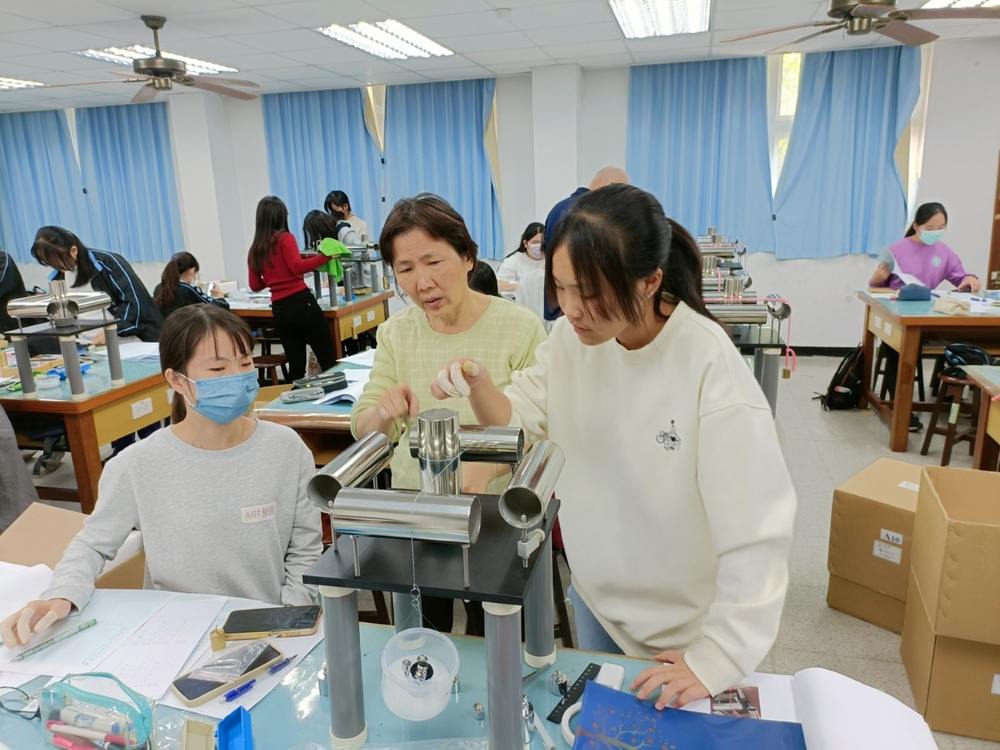
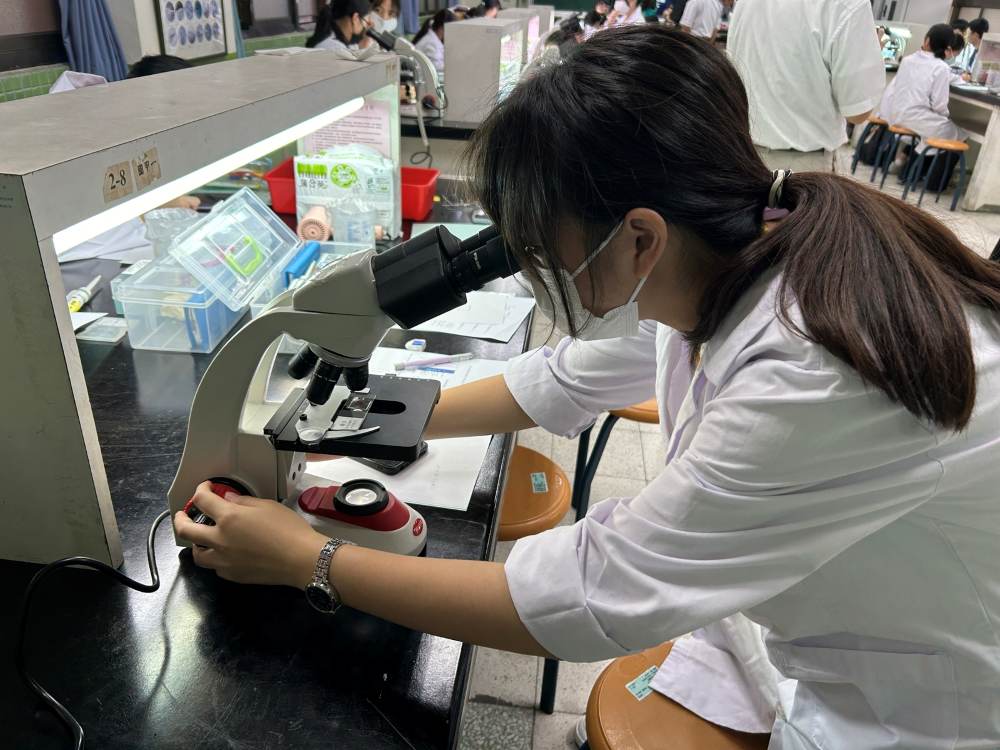
The project team guided female high school students in conducting scientific experiments
5.4.1 Percentage of Senior Female Academics
The total number of academics and female academics at NTNU are shown in the following table.
2022 | 2023 | 2024 | |
Number of academic staff | 849 | 847 | 844 |
Number of senior academic staff | 493 | 470 | 480 |
Number of female senior academic staff | 186 | 182 | 187 |
5.5.1 Percentage of Female Degree Recipients
In the 2023 academic year, NTNU had a total of 3,263 graduates, among whom 1,838 were women, accounting for 56.3% of all graduates.
By academic field:
- Humanities, Social Sciences, and Arts: 1,793 graduates, with 1,211 women (67.9%)
- STEM fields: 855 graduates, with 238 women (27.8%)
- Medical-related fields (including the Department of Health Promotion and Health Education, Biomedical Sciences master’s program, and Nutrition master’s program): 131 graduates, with 64 women (68.1%)
- Other fields: 484 graduates, with 300 women (62.0%)
Academic Field | Number of female graduates | Number of graduates | Proportion of female degrees awarded |
STEM | 238 | 855 | 27.8% |
Medicine | 89 | 131 | 67.9% |
Arts & Humanities / Social Sciences | 1211 | 1793 | 67.5% |
Other | 300 | 484 | 62.0% |
Total | 1838 | 3263 | 56.3% |
5.6.1 Policy of non-discrimination against women
NTNU has established comprehensive systems and mechanisms to ensure that women are fully protected from discrimination and that gender equity education is promoted across all aspects of campus life. These measures foster a safe, inclusive, and respectful learning and working environment. Key policies and actions include:
1. Establishing a Gender Equity Governance Framework to Ensure Institutionalized Implementation
To promote gender equity and to prevent and handle incidents related to gender discrimination, sexual harassment, and sexual assault, NTNU established the National Taiwan Normal University Gender Equality and Sexual Assault Prevention Committee in 1997. In 2004, it was renamed the Gender Equity Education Committee of NTNU, which continues to serve as the core unit responsible for advancing and overseeing gender-related policies at the university.
2. Implementing Clear Anti-Discrimination Policies and Regulations
In 2019, NTNU enacted the National Taiwan Normal University Enforcement Guidelines for Gender Equity Education, which explicitly stipulate in Article 5 that no faculty member, staff, or student shall be subject to unequal treatment based on gender, gender characteristics, gender identity, or sexual orientation in matters related to teaching, activities, assessment, selection, promotion, evaluation, awards, disciplinary actions, welfare, and services.
Articles 3, 4, 6, and 8 further require the university to uphold gender equity awareness throughout admissions, teaching, and campus life, eliminate gender bias and discrimination, and provide proactive support to individuals who may be disadvantaged due to gender-related factors, ensuring that principles of equity are integrated into university operations.
In addition, Article 10 mandates that gender equity education be incorporated into pre-service training, orientation for new employees, in-service training, leadership training for administrative supervisors, and new student orientation programs. Through systematic education, NTNU enhances gender awareness and sensitivity across the entire university community.
3. Strengthening Campus Gender-Based Incident Prevention, Response Mechanisms, and Education
To reinforce campus safety and standardize procedures for managing gender-related incidents, NTNU implemented the National Taiwan Normal University Policy for the Prevention of Gender Discrimination, Sexual Assault, Sexual Harassment, and Sexual Bullying in 2017. This policy ensures comprehensive mechanisms for prevention, reporting, case acceptance, investigation, and follow-up actions, while actively promoting gender equity and preventive education.
NTNU has also developed a Gender Equity Education Handbook to enhance campus-wide understanding of gender equity concepts and procedures for handling gender-related incidents, strengthening awareness and educational outreach.
5.6.2 Non-discrimination policies for transgender
NTNU has established policies and support measures to ensure that transgender individuals are protected from discrimination, and is committed to fostering a safe, inclusive, and gender-affirming campus environment that respects diverse gender identities.
1. Clear Anti-Discrimination Policy Safeguarding Transgender Rights
Article 4 of the National Taiwan Normal University Policy for the Prevention of Gender Discrimination, Sexual Assault, Sexual Harassment, and Sexual Bullying explicitly states that the university shall respect the gender characteristics, gender identity, and sexual orientation of all students, faculty, and staff. Any form of discrimination based on these factors is strictly prohibited. The university is also required to provide proactive support for individuals who are placed at a disadvantage due to gender-related factors, thereby upholding the principles of gender equity and inclusion.
2. Gender-Inclusive Facilities and Housing to Support Transgender Students
Beyond the provision of gender-inclusive restrooms, NTNU was the first university in Taiwan to establish gender-friendly student housing floors, and has adopted the NTNU Dormitories Rules of Gender-Friendly Governing to institutionalize protection of transgender students’ housing rights.Article 4 of the Guidelines stipulates that applications for housing from transgender students shall not be determined solely based on biological sex; instead, an individualized assessment shall be conducted to respect students’ self-identified gender and provide the most appropriate accommodation arrangements.
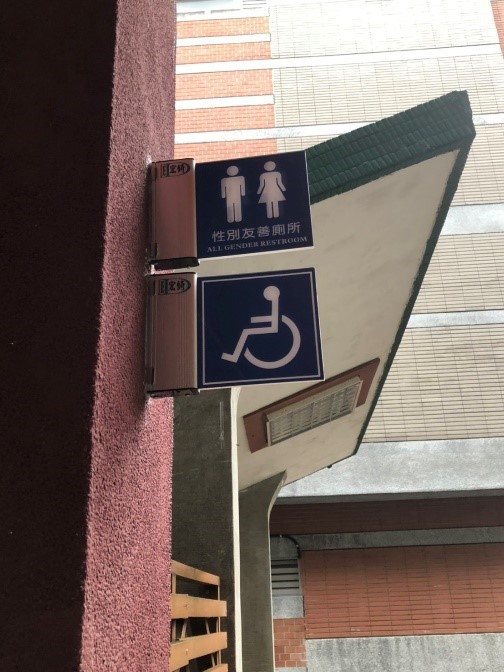

Gender-inclusive restrooms at NTNU


Gender-Friendly Dormitories at NTNU
5.6.3 Maternity Policy
NTNU has comprehensive parental support measures to enable women to continue participating in the workplace or academic development during pregnancy, childbirth, and parenting. In addition, paternity-related policies are implemented to encourage shared caregiving responsibilities within families, thereby reducing the disproportionate care burden often placed on women.
1. Comprehensive Maternity and Paternity Leave Policies to Support Shared Parenting Responsibilities
In accordance with Article 15 of the Act of Gender Equality in Employment, NTNU provides female employees a total of eight weeks of maternity leave, which may be taken before and/or after childbirth. In cases of miscarriage, maternity leave is granted based on the gestational period to protect the physical and mental well-being of the employee. Pregnant employees are also entitled to seven days of prenatal check-up leave.
To promote shared parental involvement and reduce the caregiving load traditionally borne by women, NTNU provides seven days of paternity prenatal care leave and paternity leave, allowing employees to accompany their spouse during prenatal check-ups and childbirth. This policy fosters a more gender-inclusive and supportive working environment for expecting families.
2. Maternal Health Protection Program to Ensure Safe Return to Work for Pregnant and Postpartum Employees
To safeguard the health and employment rights of pregnant and postpartum employees, NTNU implements the Maternal Health Protection Program, in accordance with Articles 30 and 31 of the Occupational Safety and Health Act and related guidelines. The program, led by the Health Center, includes hazard assessment and control, physician consultations, risk classification management, suitable work adjustments, and protective measures for employees engaged in tasks that may pose risks to maternal health.
When a female employee is involved in work with potential maternal health hazards, individualized assessments and protective measures are initiated. Adjustments may include modifications to work content, workplace improvements, or reassignment of duties to ensure the employee’s well-being and support a safe and equitable return to work after childbirth—effectively advancing both maternal health and employment equality.
5.6.4 Student Child Care Facilities
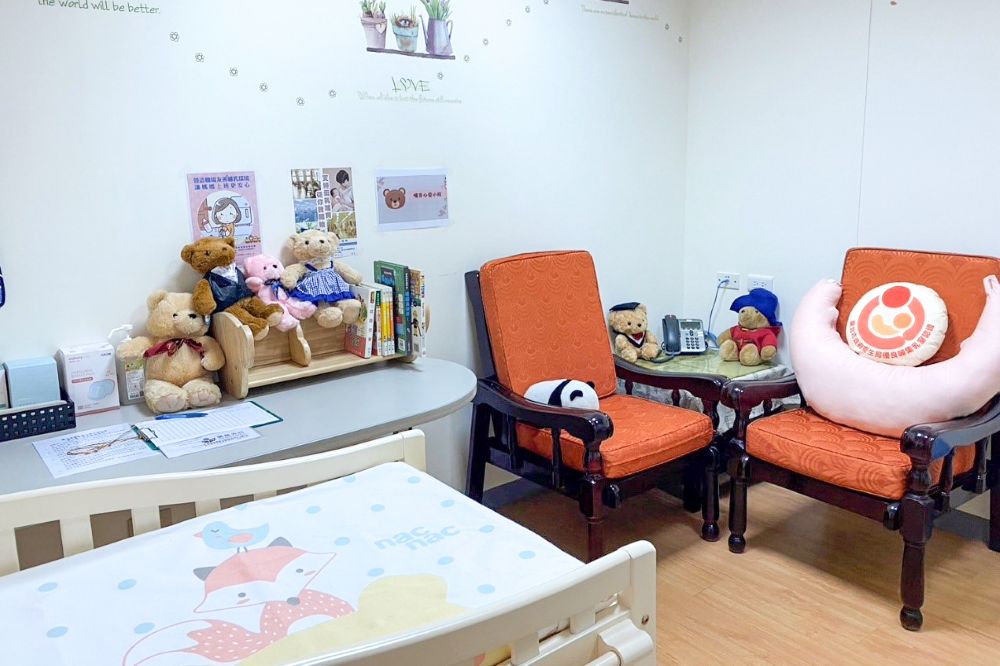
NTNU has established fully equipped and comfortable breastfeeding (lactation) rooms across all four campuses, accessible free of charge to faculty, staff, and students. Each facility is designed to support recent mothers by providing refrigerators, backrest chairs, sinks, and diaper-changing tables, as well as nursing pillows, breast milk storage bags, nursing pads, and wet wipes to meet the needs of both mothers and infants.
All lactation rooms are accessible and inclusive, equipped with emergency call buttons that allow nurses to respond immediately in case of emergencies. In addition, each room features a “Breastfeeding Wellness Corner” with children’s books, comfort toys, and parenting resources, creating a warm, family-friendly space that enables users to care for their children and continue their studies with comfort and confidence.
5.6.5 Child Care Facilities for Staff
NTNU has established fully equipped and comfortable breastfeeding (lactation) rooms across all four campuses, accessible free of charge to faculty, staff, and students. Each facility is designed to support recent mothers by providing refrigerators, backrest chairs, sinks, and diaper-changing tables, as well as nursing pillows, breast milk storage bags, nursing pads, and wet wipes to meet the needs of both mothers and infants.
All lactation rooms are accessible and inclusive, equipped with emergency call buttons that allow nurses to respond immediately in case of emergencies. In addition, each room features a “Breastfeeding Wellness Corner” with children’s books, comfort toys, and parenting resources, creating a warm, family-friendly space that enables users to care for their children and continue their studies with comfort and confidence.
5.6.6 Women's Counseling Program
NTNU has established a comprehensive and diverse student guidance and mentorship system. In accordance with the NTNU Enforcement Guidelines for Gender Equity Education, all counseling and advisory services are provided without gender-based restrictions.
1. Comprehensive Mentorship System Supporting Academic and Career Development
NTNU implements a diverse mentorship structure under the NTNU Regulations for the Implementation of the Mentorship System. Each academic department assigns different types of mentors, including academic mentors, dedicated mentors, and Indigenous student mentors.
- Academic mentors: For lower-year students, the focus is on academic advising, study planning, and the selection of minors; for upper-year students, the emphasis shifts to professional learning, further study planning, and career development.
- Dedicated mentors: Responsible for life education, campus adjustment support, behavioral counseling, emergency assistance, and primary prevention for high-risk students.
In the 2023 academic year, the mentorship system provided 12,089 mentoring sessions, with female students being among the primary beneficiaries.
2. One-on-One Psychological Counseling Service
The NTNU Student Counseling Center provides professional one-on-one psychological counseling services to help students explore self-awareness, enhance emotional regulation, and strengthen interpersonal communication skills. The service is available to all students regardless of gender.
3. Industry Internships Enhancing Female Career Readiness
To support students’ transition into the workforce, NTNU actively promotes industry internship programs. In the 2023 academic year, NTNU collaborated with 510 internship organizations, offering 1,431 internship placements, of which 923 (64.5%) were female students. This demonstrates strong female participation in career-oriented experiential learning, contributing to women’s future career development and leadership cultivation.
5.6.7 Tracking Female Graduation Rate
Over the past five years, female undergraduate graduates have consistently accounted for more than 50% of all NTNU bachelor’s degree recipients, reaching 56.7% in 2023.
Gender | 2019 | 2020 | 2021 | 2022 | 2023 |
Female | 1018(56.5%) | 1039(57.8%) | 989(57.2%) | 989(55.7%) | 1034(56.7%) |
Male | 781(43.4%) | 758(42.2%) | 741(42.8%) | 787(44.3%) | 790(43.3%) |
Total | 1799 | 1797 | 1730 | 1776 | 1824 |
According to Articles 15 and 57 of the National Taiwan Normal University Academic Regulations, students whose academic progress is affected by parenting or childcare responsibilities may apply for an extension of their study period for up to two years. This policy ensures that female students can balance family and academic commitments, reducing disparities in graduation rates caused by family factors such as pregnancy, childbirth, or raising children under the age of three.
5.6.8 Policies protecting those reporting discrimination
NTNU has established the National Taiwan Normal University Policy for the Prevention of Gender Discrimination, Sexual Assault, Sexual Harassment, and Sexual Bullying, which provides comprehensive guidelines for the prevention, reporting, filing of complaints, investigation, and handling of gender-related incidents. This policy ensures that students, faculty, and staff who experience gender discrimination, unfair treatment, or related misconduct can access formal complaint mechanisms and receive protection and support.
1. Formal Reporting and Complaint Mechanisms to Safeguard Rights
Students, faculty, and staff who experience gender-based discrimination, unequal educational or employment treatment, sexual harassment, or sexual bullying may file a formal complaint in accordance with established procedures. Complaints are handled and investigated by the Gender Equity Education Committee. Necessary assistance and support resources are also provided to protect the rights and well-being of complainants. (Articles 11–13)
2. Strict Confidentiality and Prevention of Secondary Harm
To protect the rights of complainants and all related parties, the university is required to maintain strict confidentiality regarding the personal information and identities of complainants, respondents, witnesses, and individuals involved in the investigation. This measure prevents secondary harm. Any violation of confidentiality will result in penalties in accordance with the Criminal Code or other relevant laws, ensuring that individuals can report incidents without fear of retaliation. (Articles 12, 18, 19)
3. Fair Investigation Procedures and Access to Remedies
Investigations and reviews are conducted by a committee composed of professionals with relevant expertise and gender sensitivity, ensuring fairness, impartiality, and the protection of the rights of all parties involved. If the complainant disagrees with the investigation outcome, they may request a re-investigation or seek administrative remedies in accordance with regulations, safeguarding their legal rights. (Articles 14–23)
Through these measures, NTNU ensures that students, faculty, and staff affected by gender-based educational or employment disadvantage have access to well-established reporting channels, confidentiality protection, and follow-up remedies, thereby safeguarding their rights to education and employment.
5.6.9 Paternity Policy
NTNU complies with Article 15 of Taiwan’s Gender Equality in Employment Act, which guarantees parental leave and support for both female and male employees. Female employees are entitled to maternity leave and prenatal check-up leave, while employees whose spouses are pregnant are granted paternity leave and prenatal accompanying leave to participate in childbirth and childcare duties.
Through these measures, NTNU promotes gender equality in the workplace and encourages shared parental responsibilities, ensuring that both women and transitional parents are supported in balancing family and professional life.